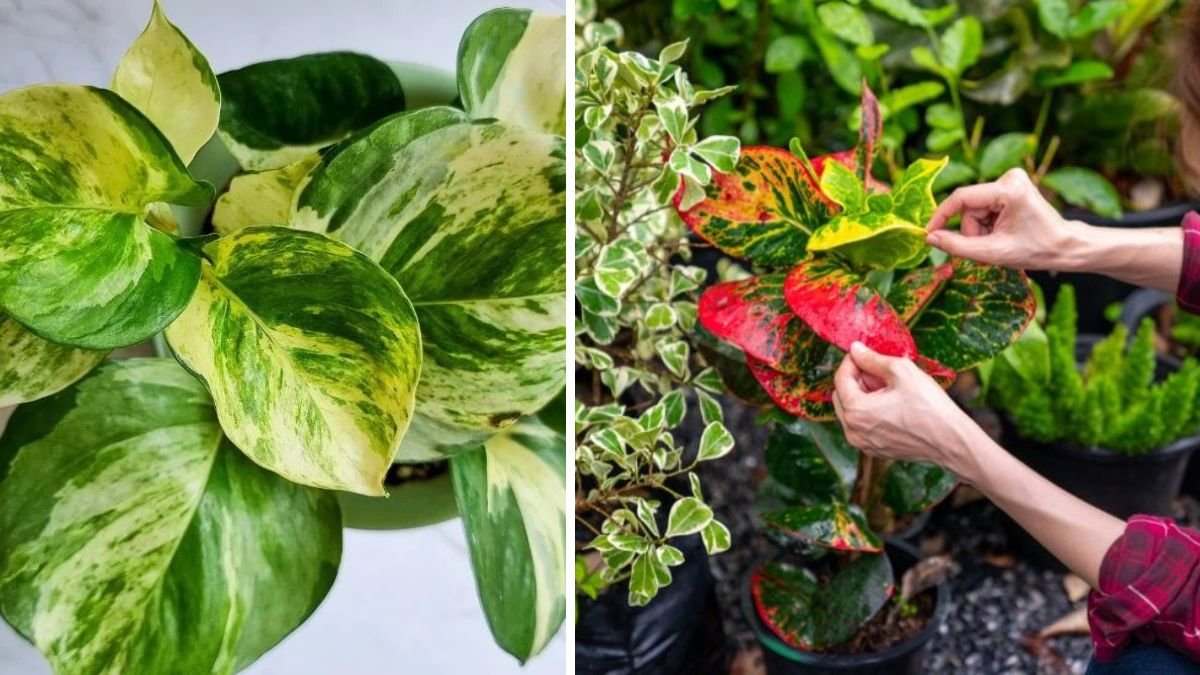
Variegated houseplants—plants with leaves featuring multiple colors, patterns, or streaks—bring a striking, artistic quality to indoor spaces. Their vibrant patterns and unique textures make them a favorite among plant collectors and interior designers alike. According to horticulture experts, variegated plants not only enhance home décor but also provide a rewarding indoor gardening experience for enthusiasts of all skill levels.
This guide highlights 14 variegated houseplants, explains how to care for them, and offers tips for styling these living works of art in your home.
Why Variegated Plants Are Special
Variegated houseplants stand out because their leaves aren’t just green—they’re often marbled with white, yellow, cream, pink, or even deep red. Their appeal goes beyond color:
- Visual interest: The intricate leaf patterns create a sculptural, almost artistic effect.
- Statement pieces: Larger variegated plants can become a focal point in any room.
- Diverse textures: Many have glossy, matte, ruffled, or uniquely shaped leaves.
- Air purification: Like other houseplants, variegated plants help clean indoor air.
- Collectible varieties: Rare variegated cultivars are prized by plant enthusiasts.
Experts stress that the key to maintaining their beauty lies in understanding their specific light, water, and care requirements, as variegated plants are often more delicate than their all-green counterparts.
Step 1: Assess Your Indoor Conditions
Before adding variegated plants, evaluate your home environment:
- Light: Most variegated plants need bright, indirect sunlight. The lighter sections of the leaves contain less chlorophyll, making these plants more sensitive to low light.
- Temperature: Most thrive in temperatures between 65–75°F. Avoid cold drafts or sudden temperature changes.
- Humidity: Many variegated tropical plants prefer moderate to high humidity, so misting or a humidifier can be beneficial.
- Space: Some variegated plants grow tall and wide, while others stay compact. Consider your space before choosing a plant.
Understanding these conditions ensures your variegated houseplants thrive and maintain their vibrant foliage.
Step 2: The 14 Variegated Houseplants
1. Monstera deliciosa ‘Variegata’
- Why it’s stunning: Iconic split leaves with cream or white marbling.
- Care tips: Bright, indirect light; keep soil lightly moist; prune to maintain shape.
- Design tip: Perfect for dramatic floor displays in living rooms or offices.
2. Philodendron ‘Brasil’
- Why it’s stunning: Heart-shaped leaves streaked with lime green and yellow.
- Care tips: Moderate to bright light; water when top inch of soil is dry; climb or trail on a support.
- Design tip: Excellent in hanging baskets or on a trellis.
3. Calathea ‘Medallion’
- Why it’s stunning: Circular leaves with dark green and silvery patterns.
- Care tips: Indirect light; high humidity; keep soil evenly moist.
- Design tip: Works well on tabletops or as a low indoor accent plant.
4. Ficus elastica ‘Tineke’ (Variegated Rubber Plant)
- Why it’s stunning: Glossy green leaves with white and pink margins.
- Care tips: Bright, indirect light; moderate watering; prune to control height.
- Design tip: Ideal as a tall floor statement near windows.
5. Pothos ‘Marble Queen’
- Why it’s stunning: Trailing vines with white and green marbled leaves.
- Care tips: Moderate light; allow soil to dry slightly between watering; easy to propagate.
- Design tip: Perfect for shelves, hanging planters, or cascading over ledges.
6. Hoya carnosa ‘Variegata’
- Why it’s stunning: Thick, waxy leaves edged with cream; produces fragrant flowers.
- Care tips: Bright, indirect light; water when top inch of soil is dry; avoid overwatering.
- Design tip: Trellis or hanging planter showcases trailing vines and flowers.
7. Caladium
- Why it’s stunning: Heart-shaped leaves in combinations of pink, white, red, and green.
- Care tips: Bright, indirect light; keep soil consistently moist; protect from drafts.
- Design tip: Best in containers on tables or entryways for a pop of color.
8. Aglaonema ‘Silver Bay’
- Why it’s stunning: Oval leaves with silvery-green variegation and dark green edges.
- Care tips: Low to moderate light; let soil dry slightly between waterings; fertilize monthly in growing season.
- Design tip: Great for offices or low-light corners.
9. Alocasia ‘Polly’ (African Mask Plant)
- Why it’s stunning: Dark green leaves with striking white veins; dramatic arrow shape.
- Care tips: Bright, indirect light; high humidity; water regularly but avoid soggy soil.
- Design tip: Adds sculptural impact to modern or minimalist interiors.
10. Dracaena ‘Warneckii’
- Why it’s stunning: Tall, narrow leaves striped with white or cream.
- Care tips: Bright to moderate light; water when soil is dry; tolerates indoor conditions well.
- Design tip: Use as a vertical accent in corners or narrow spaces.
11. Syngonium podophyllum ‘Albo-Variegatum’
- Why it’s stunning: Arrowhead leaves with white and green variegation.
- Care tips: Moderate light; keep soil slightly moist; climb or trail with support.
- Design tip: Perfect for trailing from shelves or high plant stands.
12. Peperomia ‘Variegata’
- Why it’s stunning: Small, thick leaves with green and creamy-white patterns.
- Care tips: Bright, indirect light; water when soil is nearly dry; slow-growing and compact.
- Design tip: Ideal for desktop plant arrangements or small indoor gardens.
13. Snake Plant ‘Laurentii’
- Why it’s stunning: Upright leaves with yellow margins; hardy and low-maintenance.
- Care tips: Tolerates low light; allow soil to dry completely between watering; excellent air purifier.
- Design tip: Works as a tall, structural accent in modern interiors.
14. Fittonia albivenis (Nerve Plant)
- Why it’s stunning: Small leaves with striking pink or white veins on green background.
- Care tips: High humidity; moderate indirect light; keep soil moist but not waterlogged.
- Design tip: Great in terrariums, tabletop planters, or clustered with other small houseplants.
Step 3: Planting and Soil Tips
- Well-draining soil: Use a mix appropriate for tropical or variegated plants. Many benefit from a mix of peat, perlite, and potting soil.
- Containers: Ensure pots have drainage holes to prevent waterlogging.
- Fertilizing: Feed every 4–6 weeks during the growing season with a balanced liquid fertilizer.
Experts note that variegated plants may need slightly more care than solid-green varieties, especially regarding light and moisture, to maintain their vibrant patterns.
Step 4: Care Guidelines
- Lighting: Variegated leaves have less chlorophyll, so adequate light is essential to prevent fading or reverting to solid green.
- Watering: Avoid overwatering, which can cause root rot, but maintain consistent moisture for tropical varieties.
- Humidity: Many variegated plants thrive in moderate to high humidity. Grouping plants or using a pebble tray helps maintain moisture.
- Pruning: Remove yellow or damaged leaves to encourage healthy growth.
- Pest management: Monitor for spider mites, aphids, or mealybugs and treat promptly.
Step 5: Design Ideas
- Create a color palette: Mix plants with different shades of green, white, pink, or yellow for contrast.
- Vary height and texture: Place taller variegated plants behind shorter ones to create layers.
- Use in clusters: Group small variegated plants together to form an indoor “art installation.”
- Statement plants: Large variegated species like Monstera ‘Variegata’ or Ficus ‘Tineke’ act as focal points.
Experts suggest combining plants of different textures, colors, and heights to create a dynamic, living art display.
Benefits of Variegated Houseplants
- Aesthetic appeal: Their unique patterns add sophistication and visual intrigue.
- Air purification: Like other houseplants, they help improve indoor air quality.
- Mood enhancement: Living art provides relaxation and visual stimulation.
- Easy propagation: Many varieties, such as Pothos and Syngonium, can be propagated from cuttings.
Variegated plants bring both beauty and function to any indoor space, combining elegance with health benefits.
Final Thoughts
Variegated houseplants are living works of art that transform indoor spaces with color, texture, and pattern. According to horticulture experts, plants like Monstera ‘Variegata,’ Philodendron ‘Brasil,’ Calathea ‘Medallion,’ and Snake Plant ‘Laurentii’ offer striking visual appeal and, with proper care, long-lasting growth.
By understanding their light, water, humidity, and care requirements, you can maintain the vibrant patterns that make these plants so captivating. Whether used as statement pieces, part of a plant cluster, or in hanging arrangements, these 14 variegated houseplants bring beauty, intrigue, and life to any indoor environment.
With thoughtful placement and care, your variegated plants will thrive as living art, providing enjoyment and style for years to come.