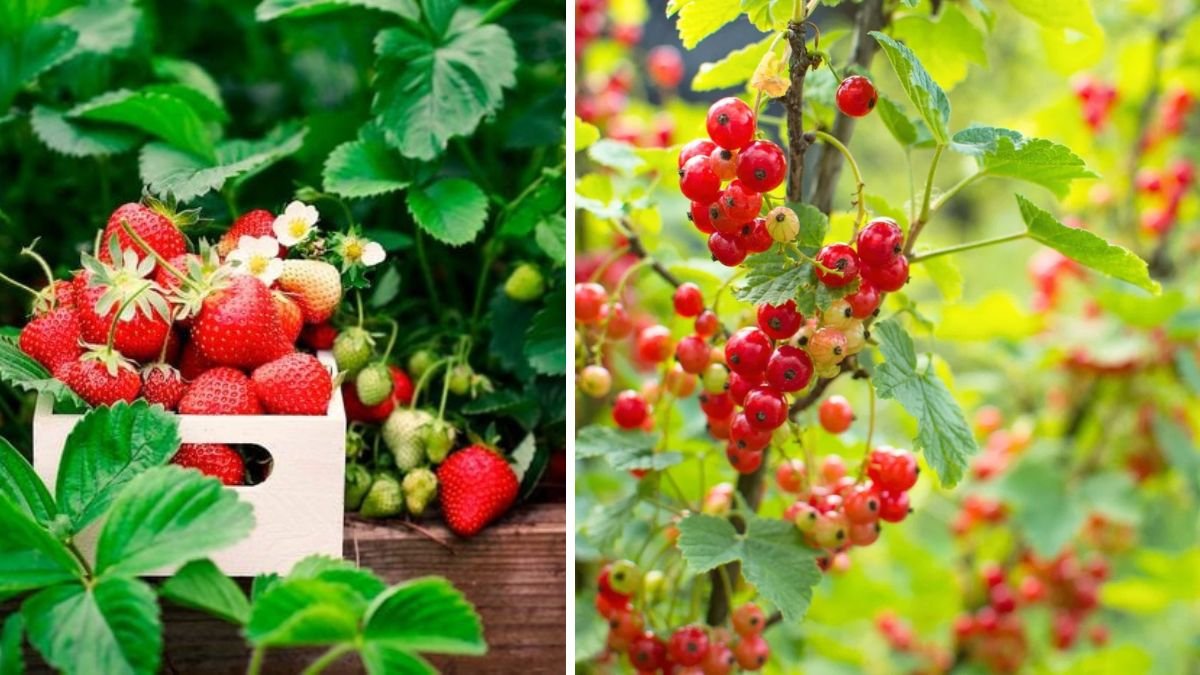
Early spring is an exciting time for gardeners, and one of the best ways to get a head start on the season is by planting fruits and berries while the soil is still cool. According to horticulture experts, many fruiting plants thrive when planted before the soil warms up too much, establishing strong roots before the growing season fully begins. This early start can lead to higher yields, healthier plants, and a longer harvest window.
This guide highlights 11 fruits and berries that are ideal for cool-ground planting, explains proper planting techniques, and shares care tips for getting the most from your early-season planting.
Why Plant Fruits and Berries Early
Planting while the soil is still cool offers several advantages:
- Early root establishment: Cool soil encourages steady root growth without stressing the plant.
- Longer growing season: Early planting allows fruiting plants more time to mature and produce.
- Better survival rates: Young plants avoid the heat stress of midsummer planting.
- Efficient garden planning: Gives gardeners time to prepare soil amendments and layouts for other crops.
Experts stress that planting too late in spring can reduce yields and slow plant establishment, especially for perennials and berries.
Step 1: Assess Your Soil
Before planting, it’s crucial to understand your soil:
- Drainage: Most fruits and berries prefer well-drained soil to avoid root rot.
- Soil temperature: Ideal planting temperature varies by plant, but cool-season fruits often thrive in soil between 40–60°F.
- Soil fertility: Amend with compost or organic matter to provide nutrients for early growth.
- pH: Many berries prefer slightly acidic soil (pH 5.5–6.5).
Testing your soil before planting ensures better establishment and reduces early-season stress.
Step 2: Select Fruits and Berries
Here are 11 fruits and berries that experts recommend planting in cool soil conditions:
1. Strawberries
- Why early planting works: Cool soil encourages root establishment before hot weather.
- Varieties: June-bearing, everbearing, and day-neutral.
- Care tips: Plant in raised beds or well-draining soil; mulch to protect young plants.
2. Raspberries
- Why early planting works: Can withstand light frost; early roots produce larger harvests.
- Varieties: Summer-bearing and fall-bearing.
- Care tips: Use trellises for support; prune canes for optimal airflow.
3. Blueberries
- Why early planting works: Early establishment ensures strong roots in acidic soil.
- Varieties: Highbush, lowbush, and rabbiteye.
- Care tips: Mulch with pine needles or bark; maintain slightly acidic soil.
4. Blackberries
- Why early planting works: Cool soil allows root systems to develop before flowering.
- Varieties: Thornless or trailing types.
- Care tips: Prune old canes; support trailing types with trellises.
5. Gooseberries
- Why early planting works: Hardy in cool conditions and tolerates light frost.
- Care tips: Plant in full sun to partial shade; prune to maintain airflow.
6. Currants
- Why early planting works: Early roots promote strong shrubs that will yield well.
- Care tips: Partial shade or full sun; thin old stems for new growth.
7. Apples
- Why early planting works: Dormant trees can establish roots before leaves emerge.
- Varieties: Consider dwarf or semi-dwarf rootstocks for home gardens.
- Care tips: Plant in full sun; stake young trees to protect from wind.
8. Pears
- Why early planting works: Cool soil encourages root development before sap flow peaks.
- Varieties: European and Asian types.
- Care tips: Well-draining soil; prune for strong branch structure.
9. Cherries
- Why early planting works: Early planting reduces stress and improves bloom timing.
- Varieties: Sweet or sour types depending on use.
- Care tips: Full sun; protect from birds using netting during fruiting.
10. Grapes
- Why early planting works: Roots establish before warmer soil encourages vigorous top growth.
- Varieties: Table grapes, wine grapes, and seedless types.
- Care tips: Use trellises; prune vines during dormancy.
11. Kiwi (Hardy Varieties)
- Why early planting works: Cool soil supports root growth for tropical-looking vines.
- Varieties: Hardy kiwifruit types survive colder climates.
- Care tips: Provide trellis or support; plant male and female for fruiting.
Step 3: Planting Techniques
Experts recommend the following techniques for successful early-season planting:
- Prepare the soil: Loosen soil to a depth of at least 12 inches; add compost for fertility.
- Dig appropriate holes: Ensure the hole is wide enough for roots to spread naturally.
- Water before and after planting: Keep soil consistently moist for the first few weeks.
- Mulch: Protect roots from temperature fluctuations and retain moisture.
- Space properly: Avoid overcrowding to allow air circulation and prevent disease.
Proper planting sets the foundation for strong growth and abundant fruit production.
Step 4: Early Care for Cool-Season Plants
- Watering: Keep soil evenly moist, particularly during the first month.
- Fertilizing: Apply balanced fertilizer or compost after plants are established.
- Protect from frost: Use row covers or mulch if a late frost is expected.
- Pruning: Remove damaged or weak stems to encourage healthy growth.
Experts emphasize that early attention to water, nutrients, and protection ensures a productive season.
Step 5: Seasonal Planning
- Plant in early spring: After the last hard frost for your region, when soil is workable but still cool.
- Stagger planting: Plant certain berries in late winter and others in early spring for continuous harvest.
- Rotate crops: Avoid planting the same species in the same soil year after year to reduce disease.
Timing your planting ensures each plant has optimal conditions for root establishment and eventual fruiting.
Step 6: Benefits of Early Planting
- Stronger plants: Cool soil encourages steady root growth and reduces transplant shock.
- Higher yields: Early-established roots support more robust flowering and fruiting.
- Extended harvest: Plants produce over a longer period because they start early.
- Reduced pests and disease risk: Early planting can avoid the peak emergence of certain pests.
Experts agree that taking advantage of cool soil conditions can make a noticeable difference in both quantity and quality of fruit.
Step 7: Design Considerations
When planning your fruit and berry garden:
- Sunlight: Most fruiting plants need full sun for 6–8 hours per day.
- Support structures: Trellises or cages help manage vines and tall shrubs.
- Companion planting: Incorporate pollinator-friendly flowers to enhance yields.
- Accessibility: Place plants near paths for easy harvesting and care.
Thoughtful layout ensures that your cool-season planting is productive and visually appealing.
Final Thoughts
Planting fruits and berries while the soil is still cool gives gardeners a significant advantage. According to horticulture experts, strawberries, raspberries, blueberries, apples, and grapes are among the plants that thrive when planted early in the season.
By preparing your soil properly, choosing the right species, and providing consistent care, you can establish strong root systems, enjoy higher yields, and extend your harvest season. Cool-ground planting is a proven strategy for healthy, productive fruiting plants and a beautiful, abundant garden that will provide fresh produce for months to come.
Whether you’re starting a backyard orchard, berry patch, or mixed fruit garden, early-season planting ensures your garden gets the strongest start possible, leading to delicious results and rewarding gardening success.