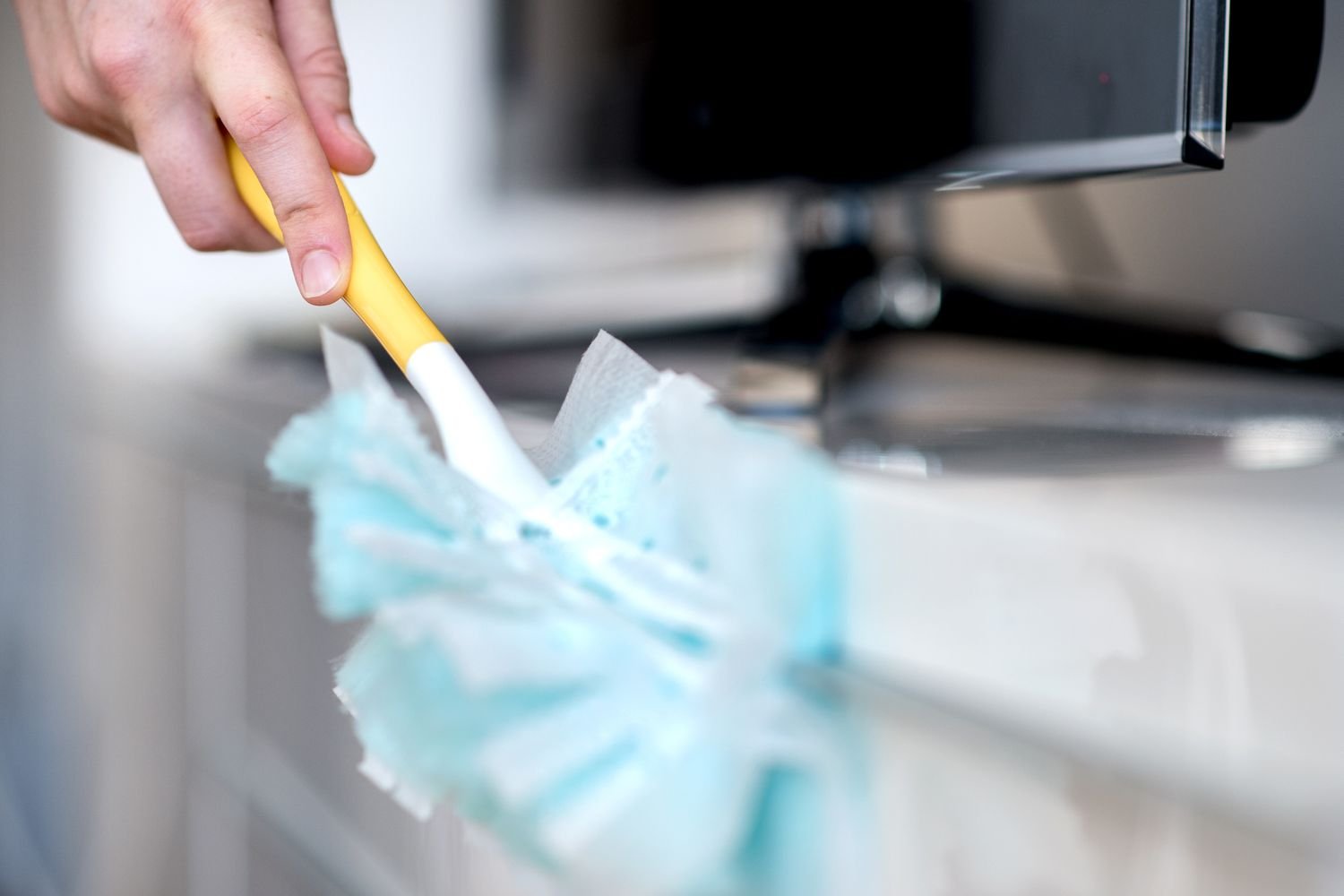
Dusting might feel like one of those tedious chores you do just to make your home look tidy, but it’s far more than a cosmetic task. Many people don’t realize that dusting isn’t just about aesthetics—it’s crucial for health, longevity of your belongings, and even your mental wellbeing. If you’ve ever thought that a quick swipe with a rag once a month is enough, an expert says it’s time to rethink your routine.
Why Dusting Matters More Than You Think
Dust is more than just tiny particles floating in the air. It’s a complex mixture of pollen, dead skin cells, textile fibers, pet dander, bacteria, and even tiny fragments of soil and pollutants. When dust accumulates, it can exacerbate allergies, trigger asthma attacks, and contribute to poor indoor air quality. According to cleaning specialists, homes with heavy dust build-up often see higher rates of respiratory issues, even in people who aren’t typically allergy-prone.
Dr. Emily Richards, an environmental health specialist, emphasizes, “Dust isn’t harmless. Even if you don’t notice it, inhaling dust over time can have subtle, long-term effects on your respiratory health. Regular dusting is essential not just for cleanliness, but for maintaining a healthy living environment.”
Beyond health, dust can slowly degrade the surfaces it settles on. Wooden furniture can become scratched or dulled, electronics may accumulate dust that affects performance, and fabrics like curtains and upholstery can lose vibrancy over time. Dusting, then, is a preventive measure that protects your belongings as much as your lungs.
How Often Should You Really Be Dusting?
This is where many of us go wrong. While some people may dust weekly, others might stretch it to a monthly routine, assuming that’s sufficient. Experts argue that most households should dust at least once a week, and more frequently in certain circumstances.
Dr. Richards explains, “High-traffic areas, homes with pets, and rooms near windows or air vents may require more frequent dusting. In these spaces, dust can accumulate within days. For people with allergies or asthma, twice-weekly dusting is often recommended.”
Even if you don’t have allergies, weekly dusting is beneficial. Think of it as a way to maintain your home environment proactively. Allowing dust to settle for too long makes it harder to remove and increases the chances of it circulating in the air when you do clean.
The Right Way to Dust
It’s not just about frequency—technique matters. Simply swiping a dry cloth across surfaces can just move dust around rather than remove it. Using the wrong tools may also spread dust into the air, which defeats the purpose.
Experts recommend starting with the following tips:
- Use microfiber cloths: Unlike traditional dusters, microfiber traps dust particles instead of scattering them. A slightly damp microfiber cloth can be even more effective for stubborn dust.
- Work from top to bottom: Dust particles fall, so start with ceiling fans, shelves, and light fixtures before moving to lower surfaces and furniture.
- Don’t forget hidden areas: Baseboards, vents, window sills, and behind electronics often harbor thick layers of dust. These spots are easy to overlook but important to clean regularly.
- Vacuum after dusting: Using a vacuum with a HEPA filter can catch residual dust particles that escape your cloth. This is especially important for carpets and rugs.
Dr. Richards also notes the importance of cleaning your dusting tools themselves. “A dirty cloth or duster can just redistribute dust rather than remove it. Make sure to wash microfiber cloths regularly and replace dusters when they no longer trap particles effectively.”
The Role of Air Quality in Dust Accumulation
Even with diligent dusting, the rate at which dust accumulates can be influenced by your home’s air quality. Poor ventilation, heating and cooling systems, and proximity to high-pollen areas can increase dust build-up.
Installing a high-quality air filter and running an air purifier in problem areas can help reduce the amount of dust settling on surfaces. Additionally, keeping windows closed during high-pollen seasons and limiting clutter—which traps dust—can make your weekly dusting efforts more effective.
Dusting and Mental Health
Interestingly, cleaning and dusting aren’t just about physical health—they also impact mental wellbeing. Multiple studies have found that cluttered, dusty environments can increase stress and anxiety levels. A clean, dust-free space promotes a sense of calm and order, reducing cognitive load and making it easier to focus.
Dr. Richards shares, “People often underestimate how much a clean environment can improve mood. Dusting is a small action that can have significant mental benefits, especially when combined with other cleaning habits.”
Common Mistakes People Make
Despite best intentions, many people make mistakes that undermine their dusting efforts:
- Using dry feather dusters: These often just push dust into the air instead of removing it.
- Ignoring soft surfaces: Upholstery, curtains, and bedding can harbor dust mites, which contribute to allergies. These should be vacuumed or laundered regularly.
- Dusting irregularly: Letting dust accumulate for weeks or months makes it harder to clean and increases exposure to allergens.
- Overlooking electronics: TVs, computers, and other gadgets attract dust. If not cleaned properly, dust can affect performance and longevity.
Avoiding these pitfalls is simple when you follow expert guidance and maintain a consistent routine.
Tips for Making Dusting Easier
Dusting doesn’t have to feel like a chore that drains your weekend. Here are some strategies to simplify the process:
- Set a schedule: Dedicate a specific day each week for dusting, turning it into a habit rather than a sporadic effort.
- Divide and conquer: Break the home into zones and tackle one zone per day to avoid overwhelm.
- Use the right products: Microfiber cloths, electrostatic dusters, and non-toxic cleaning sprays make dusting faster and more effective.
- Involve the household: Assign small dusting tasks to family members—this makes the process quicker and less burdensome.
Even small, consistent efforts pay off. Dusting a little each week prevents the need for labor-intensive deep cleans later.
The Bottom Line
Dusting isn’t just about appearances—it’s a health practice, a preservation method, and even a mood booster. While many of us underestimate the frequency required, experts agree that weekly dusting is the minimum standard for most homes, with more frequent attention for high-traffic areas, households with pets, and individuals with allergies.
By adopting proper techniques, using the right tools, and paying attention to air quality, you can significantly reduce the dust in your home, improve your indoor environment, and protect both your health and your belongings.
So next time you glance at a seemingly clean surface, remember: dust is constantly accumulating, silently affecting your health and home. It’s worth picking up that microfiber cloth and tackling it sooner rather than later. After all, a dust-free home is not just a clean home—it’s a healthier, happier one.