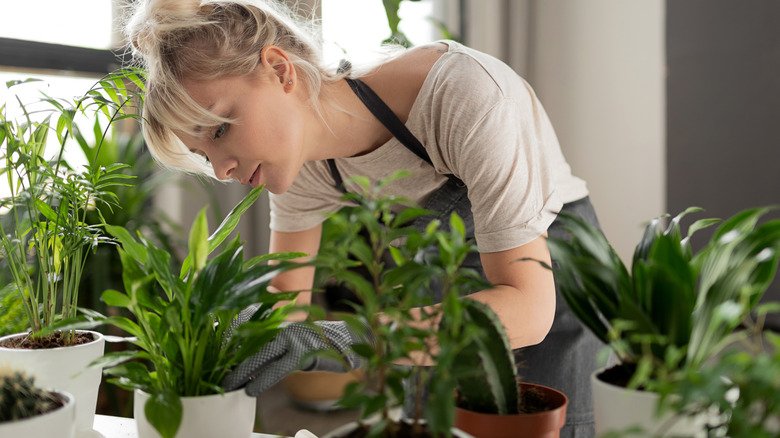
Indoor gardening has become a popular way to bring lush greenery, clean air, and vibrant energy into our homes. While many people think of cacti or low-maintenance foliage plants like pothos for indoor spaces, there’s a stunning sub-tropical plant that deserves a place in every home: the Bird of Paradise (Strelitzia reginae and Strelitzia nicolai).
Known for its dramatic flowers, bold leaves, and tropical appeal, the Bird of Paradise can thrive indoors if given the right conditions. It offers the exotic flair of a tropical paradise without needing a full greenhouse, making it a favorite among plant enthusiasts and interior designers alike. In this article, we’ll explore why this plant is so special, how to grow it indoors, and tips for keeping it thriving year-round.
Why the Bird of Paradise Is a Perfect Indoor Sub-Tropical Plant
The Bird of Paradise is instantly recognizable due to its brightly colored, crane-like flowers and large, banana-like leaves. It’s a sub-tropical plant native to South Africa but has adapted well to indoor cultivation around the world.
Key Features That Make It Ideal Indoors:
- Stunning Visual Impact:
- Large, glossy green leaves create a tropical ambiance.
- Flowers in vibrant orange and blue mimic exotic birds, making it a natural focal point in any room.
- Air Purification:
- Like many tropical plants, Bird of Paradise improves indoor air quality, removing toxins and producing oxygen.
- Adaptable to Containers:
- While it can grow into a large outdoor plant, it thrives in pots and planters indoors, making it suitable for apartments, sunrooms, and large living areas.
- Long-Lived and Hardy:
- With proper care, it can live for decades, becoming a striking feature in your indoor garden.
Choosing the Right Bird of Paradise Variety
There are several types of Bird of Paradise plants, but the two most commonly grown indoors are:
- Strelitzia reginae (Dwarf Bird of Paradise):
- Smaller, grows 3–5 feet indoors.
- Produces iconic orange and blue flowers.
- Easier to manage in container settings.
- Strelitzia nicolai (Giant Bird of Paradise):
- Can grow 6–10 feet indoors under ideal conditions.
- White and blue flowers, large leaves.
- Requires more space but provides a dramatic tropical effect.
For most indoor gardeners, Strelitzia reginae is ideal due to its manageable size and regular flowering indoors.
How to Grow Bird of Paradise Indoors
Bird of Paradise plants are surprisingly adaptable, but their sub-tropical origins mean they require specific conditions to thrive.
1. Light Requirements
- Bright, indirect sunlight is ideal.
- Direct sunlight for 4–6 hours daily encourages flowering and strong growth.
- Low-light environments slow growth and may prevent flowering.
- Rotate the plant occasionally to ensure even growth and leaf exposure.
2. Soil and Potting
- Use a well-draining potting mix, such as one containing peat, sand, and perlite.
- Avoid heavy garden soil, which retains too much moisture and can cause root rot.
- Ensure the pot has drainage holes to prevent waterlogging.
3. Watering
- Keep soil evenly moist during growing seasons (spring and summer).
- Reduce watering in fall and winter when growth slows.
- Allow the top inch of soil to dry out slightly between watering to prevent root rot.
4. Humidity and Temperature
- Bird of Paradise prefers moderate to high humidity.
- Ideal indoor temperatures range from 65–75°F (18–24°C) during the day and no lower than 50°F (10°C) at night.
- Use a humidifier or misting during dry winter months if necessary.
5. Fertilization
- Feed every 2–3 weeks during the growing season with a balanced, water-soluble fertilizer.
- Reduce or stop fertilizing in fall and winter when the plant’s growth naturally slows.
6. Pruning and Cleaning
- Remove dead or damaged leaves to encourage new growth.
- Wipe leaves with a damp cloth to remove dust and allow the plant to absorb more light.
- Trim spent flower stalks after blooming to redirect energy to foliage and root growth.
Encouraging Flowering Indoors
While Bird of Paradise is known for its striking flowers, indoor plants may take 3–5 years to bloom. Patience is key, but there are ways to encourage flowering:
- Provide bright, direct light for several hours daily.
- Ensure the plant is slightly root-bound; flowering is often triggered by limited root space.
- Fertilize with a high-phosphorus formula during spring and summer to support blooms.
- Avoid excessive repotting or disturbance during the flowering stage.
Even without flowers, the large tropical leaves create a lush, decorative display that enhances any room.
Repotting and Growth Management
Bird of Paradise grows vigorously, so repotting is necessary every 2–3 years:
- Choose a pot 1–2 inches larger in diameter than the current one.
- Avoid oversized pots, as excess soil can retain too much water.
- Refresh soil with a nutrient-rich, well-draining mix to support continued growth.
Repotting in spring ensures the plant recovers quickly and resumes growth.
Common Indoor Care Challenges
While hardy, Bird of Paradise plants can face some indoor challenges:
- Leaf Browning or Yellowing:
- Often caused by overwatering or inconsistent humidity.
- Solution: Adjust watering schedule and mist leaves during dry months.
- Slow Growth:
- Can occur due to low light or nutrient deficiency.
- Solution: Move closer to natural light and fertilize regularly during the growing season.
- Pest Issues:
- Rare but possible: spider mites, scale, or mealybugs.
- Solution: Inspect regularly and treat with insecticidal soap or neem oil if necessary.
- No Flowers:
- Common for younger plants or those lacking sufficient light.
- Solution: Patience, bright light, and slightly root-bound conditions encourage blooming.
Design Tips for Indoor Spaces
Bird of Paradise makes a dramatic statement indoors, and careful placement enhances its impact:
- Living Rooms: Use as a centerpiece or near windows with filtered sunlight.
- Bedrooms: Large leaves add greenery and a tropical feel without taking over the space.
- Bathrooms: High humidity naturally supports tropical plants.
- Grouping Plants: Combine with palms, ferns, or other tropical plants for a lush indoor jungle effect.
For interior design, Bird of Paradise pairs well with neutral colors, natural wood, and rattan accents, bringing a vibrant tropical aesthetic without overwhelming the room.
Why It’s Worth Growing Indoors
The Bird of Paradise is more than a decorative plant—it’s an investment in ambiance, air quality, and long-term indoor greenery:
- Creates a tropical sanctuary inside your home.
- Provides dramatic visual impact even without flowers.
- Supports indoor air purification and overall well-being.
- A long-lived, low-maintenance plant that grows with your home.
Whether you’re a seasoned plant parent or just starting, Bird of Paradise is a rewarding addition to any indoor space.
Conclusion
For gardeners seeking a stunning, versatile sub-tropical plant that can thrive indoors, the Bird of Paradise is a standout choice. Its large, tropical leaves, striking flowers, and adaptability make it perfect for apartments, sunrooms, and living spaces alike.
By providing bright light, proper soil, consistent watering, and occasional fertilization, you can grow a thriving indoor Bird of Paradise that brings a touch of the tropics into your home year-round. Even without flowers, its bold foliage adds drama, texture, and life to any room.
With patience and care, this plant transforms your indoor environment, creating a lush tropical retreat that will impress guests, purify the air, and provide a sense of natural serenity. For anyone looking to elevate their indoor garden, the Bird of Paradise is simply irresistible.