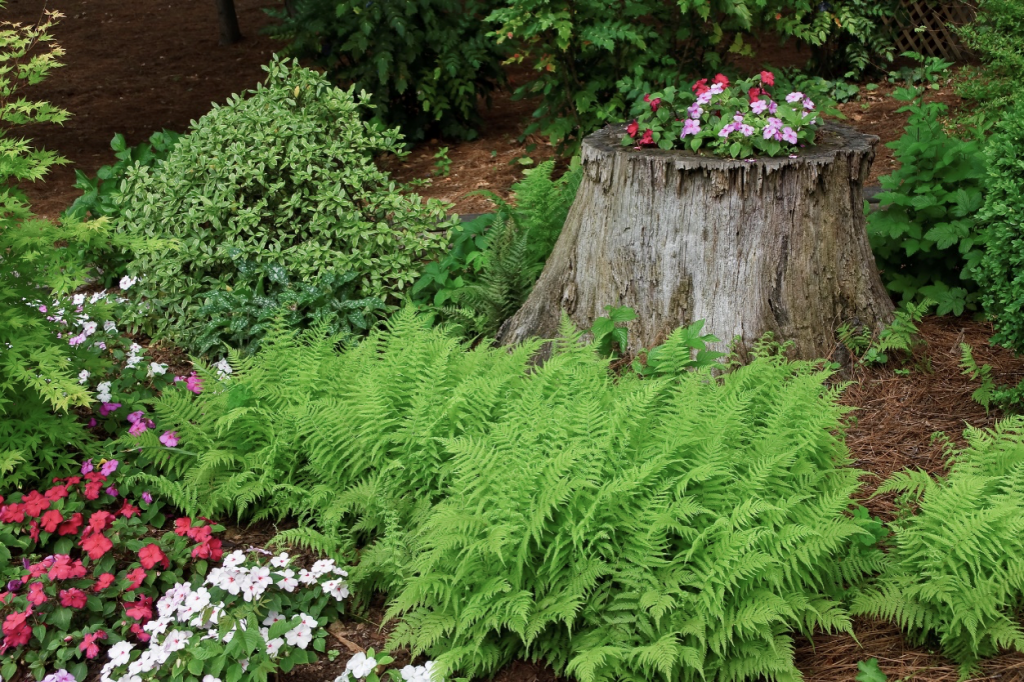
A tree stump in your yard can be an unsightly distraction, limiting your landscaping options and taking up valuable space. While removing a stump entirely can be costly and labor-intensive, there’s a creative, functional, and beautiful alternative: turning it into the base for a raised garden bed. This approach not only hides the eyesore but also transforms it into a vibrant focal point in your garden, combining utility with aesthetics.
In this article, we’ll explore how to repurpose a tree stump, design a raised garden bed around it, and choose plants that thrive in this unique setting, giving your yard new life while making the stump a stylish feature.
Why Use a Tree Stump as a Raised Garden Bed Base?
Using an old tree stump as the foundation for a raised garden bed offers several advantages:
- Cost-Effective: You don’t need to remove the stump or spend money on extra framing materials—it’s already there.
- Eco-Friendly: Repurposing the stump reduces waste and gives it a second life in your landscape.
- Natural Focal Point: The stump adds texture, height, and visual interest to the garden bed.
- Increased Soil Depth: By building around it, you can create rich, raised soil for plants, improving drainage and root development.
- Low Maintenance: Once constructed, raised beds are easy to manage, with less weeding and better soil control.
Step 1: Assess the Tree Stump
Before you start building, evaluate your stump:
- Size and Shape: Ensure the stump is large enough to serve as a centerpiece. Small stumps can be grouped together to create a multi-tiered effect.
- Condition: If the stump is rotting, you may need to stabilize it with soil or wood supports.
- Location: Consider sunlight exposure, drainage, and accessibility for watering and maintenance.
Step 2: Design Your Raised Garden Bed
There are several ways to design a raised bed around a tree stump:
Option 1: Circular Raised Bed
- Create a round frame around the stump using wood, stone, or brick.
- Fill the space with nutrient-rich soil to plant flowers, herbs, or vegetables.
- This design highlights the stump as a natural centerpiece, while providing ample growing space.
Option 2: Tiered or Multi-Level Bed
- Use the stump as a central height point and build stepped levels around it.
- Place larger plants on the outer tiers and smaller plants closer to the stump.
- Ideal for small flowers, trailing vines, or succulents, creating a layered, lush effect.
Option 3: Integrated Planter
- Hollow out the top of the stump slightly and use it as a built-in planter.
- Fill the cavity with soil and plant colorful annuals or perennials.
- The stump itself becomes part of the garden, blending functionality with design.
Step 3: Choose Materials for the Bed
Raised garden beds can be constructed with various materials, depending on your style and budget:
- Wood:
- Cedar or redwood is durable, rot-resistant, and natural-looking.
- Provides a warm, rustic aesthetic around the stump.
- Stone or Brick:
- Ideal for a classic or formal garden.
- Durable and weather-resistant; complements natural textures of the stump.
- Recycled Materials:
- Repurpose old pallets, railroad ties, or concrete blocks for an eco-friendly option.
- Adds character and charm to your garden design.
Tip: Ensure the structure is level and secure, especially if the stump is uneven or slightly decayed.
Step 4: Prepare the Soil
Good soil is the foundation of a thriving garden bed:
- Remove any weeds, debris, or loose bark from the stump area.
- Mix compost, garden soil, and organic matter for a nutrient-rich bed.
- Ensure proper drainage to prevent waterlogging, especially if the stump retains moisture.
- If using a hollowed stump top, add potting mix appropriate for the plant types you choose.
Step 5: Select Plants for Your Raised Bed
When choosing plants for a raised bed around a stump, consider sunlight, moisture, and growth habits:
1. Trailing Plants
- Ivy, creeping Jenny, or sweet potato vine can drape over the sides, softening edges and adding visual interest.
2. Perennials
- Hostas, ferns, or lavender thrive in shaded or semi-shaded spots.
- They return year after year, providing consistent beauty with low maintenance.
3. Seasonal Annuals
- Use petunias, marigolds, or pansies for bursts of color.
- Rotate them each season for continuous bloom and visual interest.
4. Edible Plants
- Herbs like thyme, basil, or parsley are perfect for sunny locations.
- Strawberries or small vegetable varieties can also thrive in raised beds.
5. Succulents and Cacti
- If your stump area is sun-drenched and dry, consider low-maintenance succulents.
- Their compact size and drought tolerance make them ideal for elevated stump beds.
Step 6: Arrange Plants Strategically
To create a balanced, visually appealing raised bed:
- Place taller plants near the stump or center.
- Use medium-height plants around the edges for a layered effect.
- Add trailing plants on the outer rim to soften edges and create flow.
- Consider color contrast to make the bed pop, combining foliage colors and seasonal blooms.
Step 7: Mulch and Maintain
Mulching around the plants keeps the garden bed looking tidy while supporting healthy growth:
- Apply organic mulch such as shredded bark, wood chips, or compost.
- Mulch conserves moisture, suppresses weeds, and gradually enriches the soil.
- Regularly water plants, trim dead growth, and replenish mulch as needed.
Creative Additions to Elevate Your Stump Garden Bed
Transforming a tree stump into a garden bed also allows for unique decorative touches:
- Garden Ornaments: Add small statues, fairy garden elements, or lanterns for whimsy.
- Pathways: Surround the stump bed with stone or gravel paths to highlight it as a centerpiece.
- Lighting: Solar or low-voltage lights accentuate the garden bed at night, creating a magical focal point.
- Vertical Features: Attach small trellises or climbing frames to encourage vines to grow upward, blending the stump into your garden.
Benefits of This Raised Garden Bed Idea
Repurposing a tree stump in this way is more than decorative:
- Eco-Friendly Solution: Eliminates the need for stump grinding or chemical removal.
- Functional Garden Space: Provides planting space in areas where soil may be poor.
- Visual Transformation: Turns an eyesore into a beautiful, lush focal point.
- Low Maintenance: Raised beds reduce weeding and improve soil conditions.
- Wildlife Friendly: Flowers and herbs attract pollinators and beneficial insects, enriching your garden ecosystem.
Conclusion
An old tree stump doesn’t have to be a permanent eyesore in your yard. With a little creativity, you can transform it into a stunning raised garden bed that adds beauty, function, and ecological value to your landscape.
By assessing the stump, choosing the right materials, preparing rich soil, and selecting plants thoughtfully, you can create a vibrant, layered garden that draws the eye and enhances your outdoor space. Trailing plants soften edges, perennials provide long-term structure, and seasonal blooms keep the garden fresh and colorful.
This approach is cost-effective, environmentally friendly, and visually appealing. With the addition of decorative elements like mulch, garden ornaments, and lighting, your stump garden can become the centerpiece of your yard, turning a once-problematic stump into a feature that neighbors and visitors will admire.
Whether you have a single small stump or a cluster of old tree bases, a raised garden bed offers a practical, creative solution. Embrace this idea and watch as your yard transforms from ordinary to extraordinary, blending function, beauty, and sustainability in one unique garden feature.