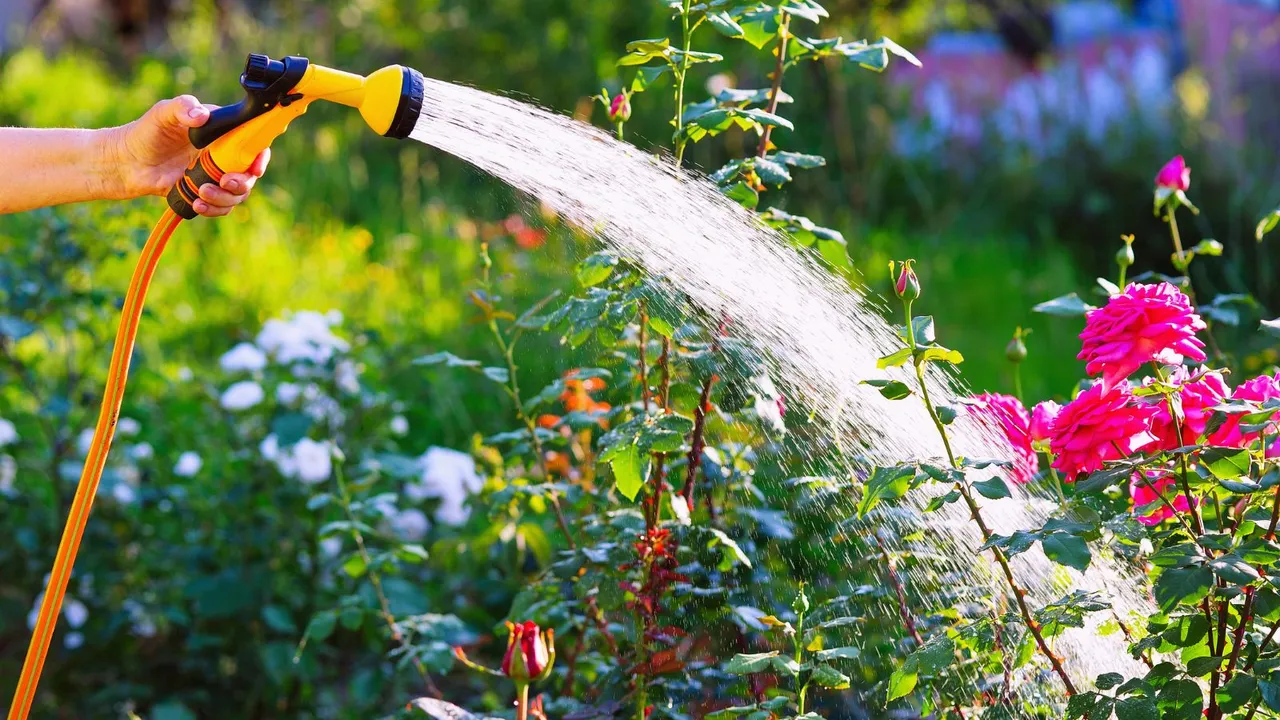
Most homeowners know the frustration: after a few years of sun, frost, and repeated bending, your garden hose starts to leak, crack, or kink beyond repair. Many people toss it aside, thinking it’s done. But before you throw that rubber relic into the trash, consider this: an old garden hose can be a surprisingly versatile tool for creative, practical, and even life-saving applications. With a bit of ingenuity, those flexible tubes can be repurposed into clever solutions for your home, garden, and DIY projects. Here are four inventive ways to breathe new life into your retired hoses.
1. DIY Plant Trellises and Garden Supports
Garden hoses are sturdy yet flexible, making them ideal for creating plant supports or trellises. Rather than buying expensive metal or plastic stakes, an old hose can provide a gentle but reliable structure for climbing plants like beans, peas, or even small vines.
How to do it:
- Cut the hose into sections of the desired length.
- Shape the sections into loops, arches, or zigzag forms to create vertical or horizontal supports.
- Anchor the hose ends into the soil using wooden stakes, rebar, or metal U‑shaped pins.
- Attach plants carefully with twist ties, soft string, or strips of old fabric to avoid cutting into stems.
The rubber material is gentle on plant stems and can bend to accommodate growth, unlike rigid PVC or metal stakes that risk damaging delicate vines. Plus, hoses can be twisted or coiled into artistic shapes, adding a quirky aesthetic to your garden while serving a functional purpose.
Pro Tip: If the hose is cracked or brittle, consider cutting it into shorter loops and using them as mini hoop supports for seedlings or small vegetable rows.
2. Non-Slip Handles and Protectors
Old garden hoses are perfect for adding grip and padding to handles, tools, and even furniture edges. Their textured rubber exterior is ideal for preventing slips and reducing wear.
Practical uses:
- Tool handles: Slide a section of hose over the handles of shovels, rakes, or wheelbarrows to improve comfort and prevent blisters during prolonged gardening sessions.
- Door or drawer edges: Cut the hose lengthwise and wrap it around sharp or thin edges to create a soft, non-slip barrier.
- Sports equipment: Tennis racket handles or bicycle grips can be upgraded with recycled hose material for extra cushioning.
How to attach:
- Cut the hose lengthwise with a utility knife.
- Slide it over the handle or object, adjusting until snug.
- Use zip ties, tape, or hot glue if necessary to keep it in place.
This simple reuse reduces waste and transforms a damaged hose into a functional household tool in minutes.
3. Flexible Garden Irrigation and Drip Systems
Even if a garden hose has small leaks or kinks, it can still be repurposed for irrigation — sometimes even more effectively than a standard watering system. Creative gardeners have turned old hoses into custom drip irrigation setups that conserve water and target specific plants.
How it works:
- Pierce tiny holes along the length of the hose where water is needed.
- Lay the hose along garden beds, hanging it vertically for potted plants, or weaving it around shrubs and flowers.
- Connect it to a water source, either a tap or a large watering barrel.
- Test flow to ensure water reaches all areas evenly; adjust hole size or spacing as necessary.
This method is particularly useful for narrow or irregular garden beds where standard sprinklers may waste water. The leaks and cracks in an old hose, once a nuisance, can be turned into mini drip points, turning a broken item into a precise irrigation tool.
Extra Tip: Cap the end of the hose with a recycled bottle top or small rubber stopper to prevent water from running straight out the last hole, ensuring even distribution along its length.
4. Protective Garden Edging or Cord Management
Rubber hoses are durable and flexible, making them ideal for protecting surfaces or organizing items. Instead of sending a cracked hose to the landfill, use it to add safety, reduce wear, or keep cords neat.
Ideas:
- Garden edging: Bend a hose into curves or straight lines to define garden beds, pathways, or flower borders. Anchor with stakes, and you’ve created a low-cost, flexible garden edge that won’t easily break.
- Cord and cable management: Cut hoses lengthwise and thread extension cords, wires, or ropes inside to protect them from wear, moisture, and pets.
- Bike or tool rack padding: Wrap hose around the metal bars of racks to prevent scratches and slipping.
Why it works:
The rubber material is weather-resistant, flexible, and cushioned, so it works in indoor and outdoor contexts. Using old hoses in this way extends their life by years while serving practical household functions.
Bonus Ideas for the Extra Creative
If you have more than one retired hose lying around, here are additional ways to repurpose them:
- Outdoor playthings: Create DIY obstacle courses, hoop jump games, or garden sprinkler circuits for kids.
- Furniture accents: Use hoses to edge tables, chairs, or benches for a quirky, industrial look.
- Pet toys or barriers: Make chew-resistant dog toys or temporary garden barriers for small animals.
The possibilities are only limited by imagination — and even brittle hoses can be cut into short pieces for smaller projects like plant ties, grip pads, or mini edging.
Why Reusing Hoses Matters
Garden hoses are often made of PVC, rubber, and other synthetic materials that don’t break down easily in landfills. Tossing a single hose may seem inconsequential, but millions of old hoses are discarded every year, contributing to plastic and rubber waste. By reusing or upcycling hoses, you’re:
- Reducing landfill waste
- Saving money on garden accessories or DIY supplies
- Encouraging creative problem-solving for everyday challenges
- Extending the functional life of materials that might otherwise be discarded
Small, resourceful actions like this add up, making your household greener and more self-sufficient.
Tips for Safe Reuse
While old hoses are versatile, a few precautions are worth noting:
- Inspect for chemicals: Some older hoses, especially vinyl or PVC ones, may leach harmful chemicals if used around food. Avoid using them for direct irrigation of edible plants unless labeled “safe for potable water.”
- Cut carefully: Always use a sharp utility knife and protective gloves when slicing hoses lengthwise or creating custom shapes.
- Clean before use: Wash hoses thoroughly before using them on plants, around pets, or indoors. Dirt, mold, or algae can accumulate inside over time.
By following these safety tips, you can safely repurpose hoses for countless projects.
Final Thoughts
An old garden hose doesn’t have to be just a leaky nuisance. With a bit of creativity, these discarded tubes can become garden supports, safety padding, irrigation tools, edging, and more. The key is to look beyond its original purpose and see the potential for flexibility, durability, and resourcefulness.
Before tossing that cracked, kinked, or sun-damaged hose, try one of these clever methods. Not only will you save money and reduce waste, but you’ll also discover just how multi-functional a humble garden hose can be. Sometimes, the simplest household items are the ones that spark the most inventive solutions.
So, next time you’re about to throw out your old hose, remember: your next garden hack, DIY project, or home improvement idea may already be coiled in your shed.