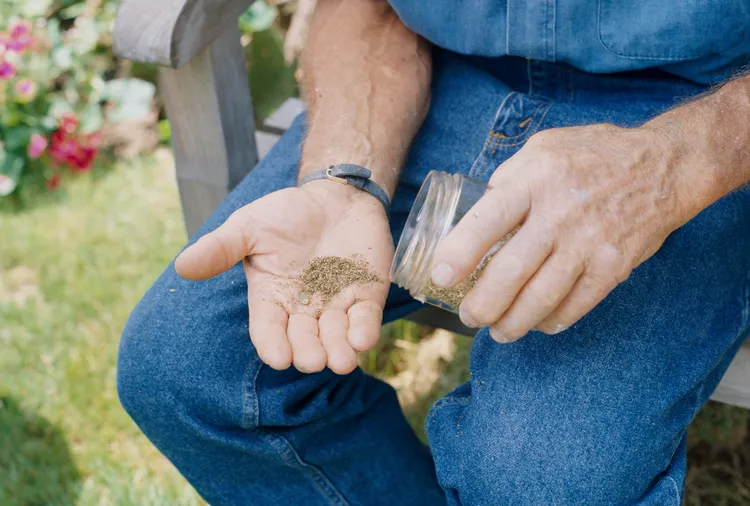
Gardening can be a fulfilling hobby, but buying seeds every season can get expensive. Luckily, there are numerous ways to get seeds for free, whether through community programs, online networks, or simple do-it-yourself techniques. Beyond collecting seeds, sharing your own surplus is a wonderful way to build connections, support biodiversity, and promote sustainable gardening. Here are seven ways to access free seeds for your garden — and tips on how to share yours responsibly.
1. Join Seed-Swap Events and Community Exchanges
One of the most rewarding ways to obtain free seeds is to participate in local seed swaps. These gatherings allow gardeners to exchange seeds with neighbors, friends, or local gardening groups.
How It Works:
- Bring seeds from your own garden that you’re willing to share.
- Take seeds that others have brought.
- Share growing tips and experiences, which can be as valuable as the seeds themselves.
Tips:
- Attend events hosted by community gardens, libraries, or environmental organizations.
- Keep seeds labeled with the plant variety and any relevant growing information.
- Swap only seeds you are confident are viable to maintain trust within the community.
Seed swaps foster a sense of community and help gardeners discover rare or heirloom varieties that aren’t sold in stores. They also support genetic diversity, which strengthens garden resilience.
2. Explore Online Seed Libraries and Free Exchanges
Many regions now have digital seed libraries or online exchange platforms. These networks allow gardeners to request and share seeds with people across the country or even globally.
How It Works:
- Join an online seed library or forum. Examples include Seed Savers Exchange and Freecycle gardening groups.
- Search for seeds you want, often heirloom or native varieties.
- Offer seeds from your own garden in exchange.
Tips:
- Read the platform’s rules regarding shipping and seed viability.
- Check for any restrictions on certain plant species to comply with agricultural regulations.
- Participate actively by sharing updates on how the seeds grew — many online communities appreciate feedback.
Online exchanges can help gardeners access rare or region-specific varieties that are otherwise difficult to find, and they broaden your network of fellow gardeners.
3. Collect Seeds From Your Existing Plants
One of the simplest ways to get free seeds is by saving them from your own garden. Many annuals, perennials, and vegetables produce seeds that can be harvested and stored for the next season.
How It Works:
- Wait until fruits, pods, or flowers are fully mature and dry.
- Collect seeds carefully and clean off any pulp or debris.
- Label seeds with the plant variety and date, and store in a cool, dry place.
Examples of Easy-to-Save Seeds:
- Tomatoes, peppers, and beans.
- Sunflowers and zinnias.
- Lettuce, basil, and other herbs.
Tips:
- Ensure seeds are fully mature before collecting to maximize germination rates.
- Dry seeds thoroughly before storage to prevent mold.
- Rotate and label your seed collection for organization.
By saving seeds from your own garden, you not only cut costs but also preserve plant varieties that are well-adapted to your local climate.
4. Check With Local Libraries and Botanical Gardens
Some public libraries, botanical gardens, and arboretums now host seed libraries, allowing residents to “check out” seeds just like books. These programs often focus on heirloom and native plants.
How It Works:
- Visit your local seed library or botanical garden.
- Borrow seeds and follow the growing instructions provided.
- Return or replenish seeds after the growing season if possible.
Tips:
- Volunteer at these organizations — many seed libraries welcome help and will reward volunteers with extra seeds.
- Attend workshops or classes offered by libraries or gardens to learn more about seed-saving techniques.
- Respect borrowing rules and provide feedback on the plants that grew successfully.
Seed libraries are particularly useful for gardeners seeking locally adapted varieties, and they encourage community-based conservation.
5. Take Advantage of Free Seed Promotions
Seed companies, garden stores, and nonprofit organizations occasionally offer free seeds to promote new products, encourage sustainable gardening, or support educational programs.
How It Works:
- Sign up for newsletters from reputable seed companies.
- Watch for seasonal promotions, giveaways, or sample offers.
- Many nonprofits also offer free packets to schools or community gardens.
Tips:
- Pay attention to shipping costs — some free seed offers may require you to cover postage.
- Focus on companies or organizations that emphasize heirloom or non-GMO seeds for sustainable gardening.
- Follow social media channels of seed companies; many announce special giveaways there.
This method allows gardeners to experiment with new varieties at minimal cost and often provides high-quality seeds for free.
6. Harvest Seeds From Wild Plants and Weeds
If you’re interested in native gardening or habitat restoration, wild plants and common garden weeds can be a source of free seeds. Plants like milkweed, goldenrod, and clover produce seeds that support pollinators and wildlife.
How It Works:
- Identify non-invasive native plants or volunteer plants in your area.
- Collect seeds carefully when they are mature.
- Store seeds in labeled envelopes or small containers in a cool, dry location.
Tips:
- Make sure the species you collect are not invasive or restricted.
- Avoid harvesting seeds from private property without permission.
- Consider planting collected seeds in community gardens or pollinator-friendly plots.
Harvesting from wild plants promotes ecosystem diversity and connects gardeners to their local environment.
7. Share Your Own Seeds With Others
Sharing seeds is a rewarding way to give back to the gardening community and preserve plant diversity. When you have surplus seeds, passing them along ensures that more people can grow plants, and you participate in a sustainable cycle.
How It Works:
- Collect seeds from your garden carefully, following proper drying and storage methods.
- Package seeds in envelopes or small containers with plant names, growing instructions, and planting dates.
- Distribute seeds at local swaps, community gardens, schools, or online exchanges.
Tips:
- Include variety names, harvest year, and any tips for best germination.
- Only share seeds that are healthy and viable.
- Encourage recipients to save seeds and share them, creating a network of sustainable gardeners.
By sharing seeds, you’re helping preserve heirloom and local varieties, promoting biodiversity, and building a gardening community.
Extra Tips for Successful Seed Collecting and Sharing
- Label Everything: Clear labeling prevents confusion and ensures others know exactly what they are planting.
- Store Properly: Keep seeds in cool, dark, and dry conditions to maintain viability.
- Know Your Zone: Ensure seeds are suitable for your local climate to increase success.
- Learn About Germination: Some seeds require cold stratification, scarification, or soaking before planting.
- Document Your Garden: Note which varieties thrive in your conditions; this information is valuable when sharing seeds.
The Benefits of Free Seeds
- Cost Savings: Free seeds allow gardeners to plant more without increasing expenses.
- Experimentation: Try unusual or heirloom varieties without financial risk.
- Sustainability: Seed saving and sharing reduce the need for mass-produced, packaged seeds.
- Community Building: Swaps, libraries, and online networks foster connections between gardeners.
- Biodiversity: Sharing locally adapted and heirloom seeds preserves plant genetics and resilience.
Conclusion
Gardening doesn’t have to be expensive to be rewarding. By accessing free seeds and sharing your own, you can cultivate a garden that is rich in variety, supports local ecosystems, and strengthens community bonds. From local swaps and seed libraries to online exchanges and self-collected seeds, there are countless ways to build a vibrant garden without spending a fortune.
Starting this sustainable cycle also promotes biodiversity, supports pollinators, and ensures that heirloom and native varieties are preserved for future generations. Whether you are a seasoned gardener or just starting, exploring these methods can lead to creative, colorful, and thriving gardens.
Next time you plant a seed, remember: it’s not just about growth — it’s about sharing life, knowledge, and beauty with others. By participating in seed swaps, online exchanges, or simply sharing seeds with a friend, you are contributing to a resilient and connected gardening community.