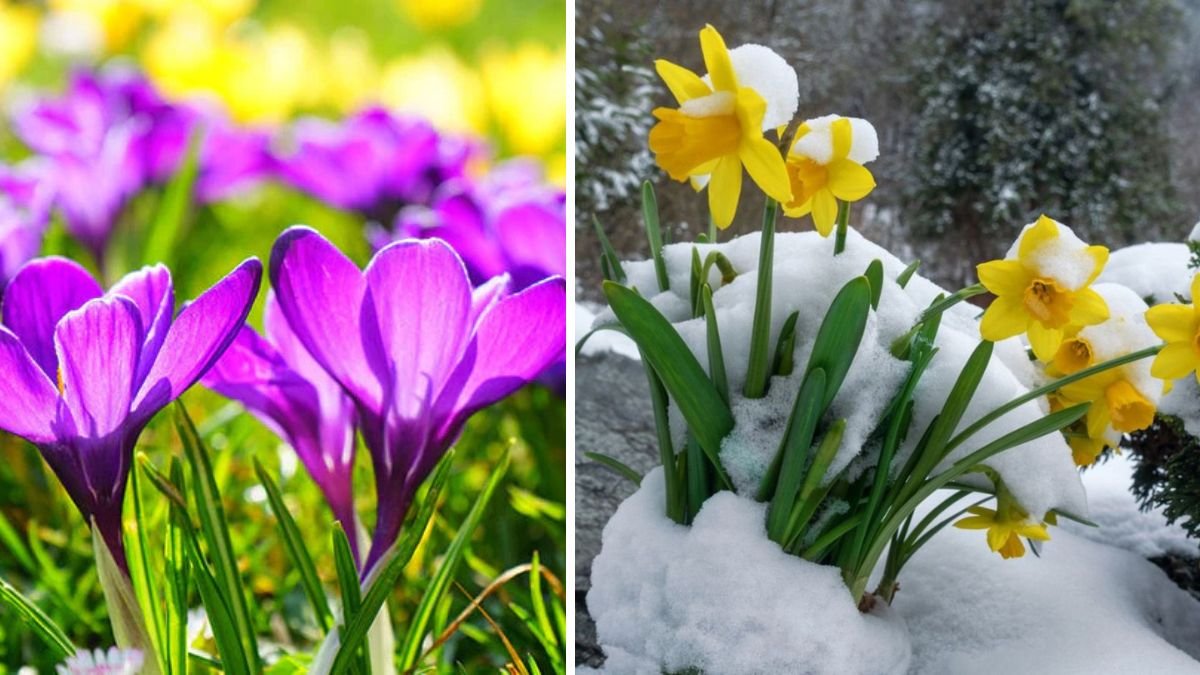
Spring bulbs—tulips, daffodils, hyacinths, and crocuses—are often associated with the first signs of spring. But what if you could enjoy vibrant, fragrant blooms in the middle of winter? With the right preparation, temperature control, and care, you can bring a splash of spring indoors even when snow covers the ground outside.
This guide will show you how to make spring bulbs bloom in winter, turning your home into a colorful, fragrant retreat.
Why Winter Bulbs Are Magical
- Brighten dreary winter months
- Bring color and fragrance indoors
- Perfect for gifts or decoration
- Provide early blooms for pollinators when planted outdoors later
By forcing bulbs to bloom early, you can enjoy spring flowers months before they naturally appear outdoors.
Choosing the Right Bulbs for Winter Forcing
Not all bulbs respond equally well to indoor forcing. Ideal winter bloomers include:
- Tulips: Elegant, classic flowers with wide color variety
- Daffodils (Narcissus): Cheerful yellow or white flowers
- Hyacinths: Highly fragrant, compact, and colorful
- Crocuses: Small, early bloomers, ideal for pots
- Muscari (Grape Hyacinth): Tiny, vivid blue flowers, perfect for clusters
Select healthy, large bulbs—they store more energy and produce bigger, longer-lasting blooms.
The Cold Treatment (Chilling) Process
Bulbs require a period of cold dormancy to trigger flowering. This simulates winter outdoors.
Steps for chilling bulbs:
- Place bulbs in a paper bag or breathable container.
- Store in a refrigerator or cold area (35–45°F / 2–7°C) for 10–14 weeks, depending on variety.
- Keep bulbs away from fruits (especially apples), which release ethylene gas that can harm bulbs.
- After chilling, bulbs are ready to be potted for indoor growth.
Tip: Daffodils need slightly less cold than tulips, so check the specific requirements for each type.
Planting Bulbs for Indoor Winter Blooms
- Choose pots with good drainage: Avoid waterlogged soil.
- Use a well-draining bulb or potting mix: Incorporate sand or perlite if needed.
- Plant bulbs close together: This encourages multiple blooms per pot and creates a dramatic display.
- Position bulbs with pointed end up: Roots at the bottom, shoot tip facing upward.
- Water lightly: Keep soil moist but not soggy.
Forcing Bulbs: Temperature and Light Requirements
- Initial growth: Keep pots in a cool, dark area (50–55°F / 10–13°C) for 2–3 weeks
- Once shoots appear: Move to bright, indirect light
- Avoid heat: Too much warmth can shorten bloom life and cause floppy stems
Gradual temperature increase simulates spring, encouraging flowers to open naturally.
Supporting Bulb Growth
- Water consistently: Bulbs need moisture but not soggy soil
- Fertilize lightly: Use a diluted liquid fertilizer once shoots appear
- Rotate pots: Even light exposure ensures uniform growth
Creative Indoor Displays
- Cluster multiple pots together for visual impact
- Use decorative bowls, urns, or rustic baskets
- Mix different bulb types for varied color, height, and fragrance
- Combine with evergreen foliage or moss for a natural winter vignette
Extending Bloom Life
- Remove faded flowers promptly to redirect energy to remaining blooms
- Avoid placing pots near heating vents or drafts
- Mist lightly to maintain humidity in dry indoor air
With proper care, forced bulbs can remain vibrant indoors for 2–4 weeks.
Final Thoughts
Winter bulb forcing allows gardeners to enjoy spring blooms indoors months ahead of schedule. By selecting the right bulbs, chilling them properly, and providing careful watering, light, and temperature conditions, you can create a colorful indoor garden that lifts spirits during the coldest months.
With a few pots of tulips, daffodils, and hyacinths, your home can become a winter wonderland of blooms.