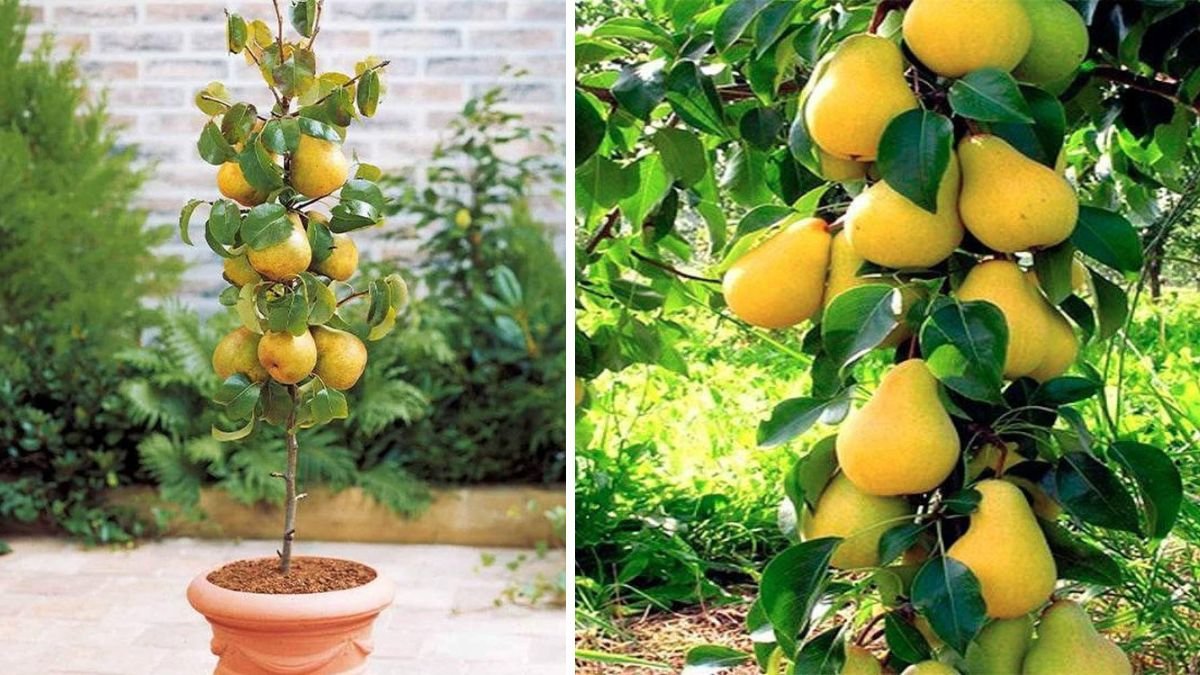
Growing fruit in small spaces can be challenging, but miniature columnar trees are changing the game. These slender, upright trees are perfect for patios, balconies, or compact gardens, offering the delicious reward of juicy pears without requiring acres of land.
This guide explains why miniature columnar pear trees are ideal for small spaces, how to grow them successfully, and tips for maximizing fruit production.
What Are Miniature Columnar Trees?
Columnar trees are naturally upright, with a narrow profile:
- Height: 6–12 feet, depending on variety
- Width: 2–3 feet, perfect for small gardens
- Growth habit: Upright, minimal lateral branching
These trees are ideal for small spaces because they maximize fruit production while occupying minimal horizontal space.
Why Columnar Pear Trees Are Perfect for Small Spaces
- Space-saving: Can be grown in narrow garden beds or containers
- Easy maintenance: Pruning is minimal due to upright growth
- High yield: Concentrated vertical growth supports abundant fruit
- Aesthetic appeal: Elegant, upright silhouette adds structure to landscapes
Unlike traditional pear trees that spread widely, columnar varieties allow gardeners to grow fruit efficiently without sacrificing style.
Selecting the Right Columnar Pear Variety
Popular choices include:
- ‘Conférence’ Columnar: Sweet, juicy pears, resistant to common pests
- ‘Williams Bon Chrétien’ Columnar: Classic European pear flavor
- ‘Doyenné du Comice’ Columnar: Creamy, aromatic fruit, ideal for small spaces
Consider climate compatibility, fruiting season, and self-pollination needs when selecting a variety.
Planting Miniature Columnar Pears
1. Location:
- Full sun (6–8 hours daily) for maximum fruit production
- Well-draining soil to prevent root rot
2. Planting:
- Dig a hole slightly larger than the root ball
- Mix compost into soil to improve fertility
- Plant upright, keeping the graft union above soil level
- Water thoroughly after planting
Caring for Columnar Pear Trees
Watering
- Keep soil consistently moist during the first year
- Deep watering encourages strong roots
Fertilizing
- Early spring: Apply balanced fertilizer (NPK 10-10-10)
- Summer: Light feeding if growth slows or leaves pale
Pruning
- Minimal pruning is needed
- Remove dead or crossing branches
- Shape the tree lightly to maintain upright form
Maximizing Fruit Production
- Pollination: Some columnar pears are self-pollinating; others benefit from nearby pear trees
- Thinning: Remove some fruits early to ensure remaining fruits grow larger and sweeter
- Support: Small stakes may help young trees withstand wind or heavy fruit
Growing in Containers
- Choose pots at least 20–24 inches in diameter
- Use well-draining potting soil enriched with compost
- Container trees may need more frequent watering and fertilization
- Can be moved indoors or protected during harsh winters
Pest and Disease Management
Common issues include:
- Pear psylla and aphids: Spray with organic insecticidal soap if necessary
- Fire blight: Prune affected branches promptly
- Powdery mildew: Ensure good air circulation, avoid wetting leaves
Columnar trees’ compact form reduces overcrowding and improves airflow, reducing disease risk.
Design and Aesthetic Uses
- Use columnar trees as living hedges or borders
- Plant in rows along fences for vertical fruit production
- Combine with ornamental plants for a dual-purpose garden: beauty and bounty
Final Thoughts
Miniature columnar pear trees are a perfect solution for gardeners with limited space. They combine ease of care, compact growth, and high fruit yield, making them ideal for patios, small backyards, or even large containers. With careful planting, proper care, and occasional pruning, you can enjoy juicy, homegrown pears even in the tightest spaces.
Whether you’re a small-space gardener or simply love the elegance of upright trees, columnar pears prove that you don’t need a big garden to enjoy big, delicious fruit.