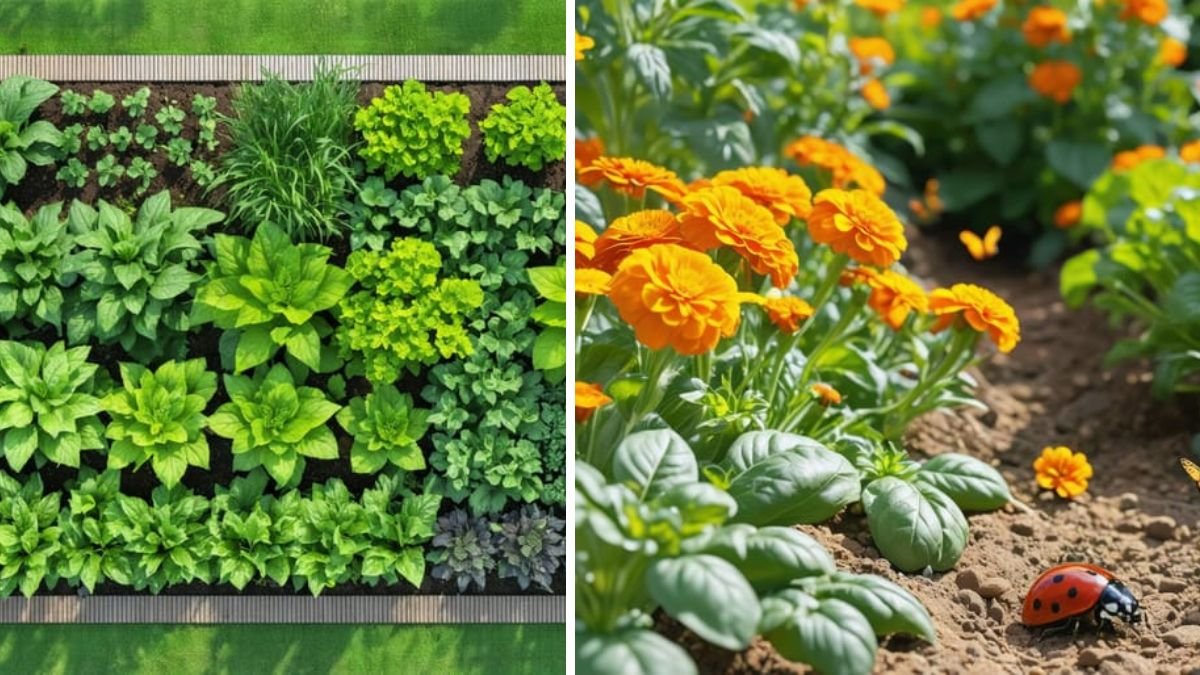
Every gardener knows the frustration of pests—caterpillars, aphids, slugs, and beetles can devastate plants overnight. But instead of relying on harsh chemicals, many gardeners are turning to sacrifice plants—plants intentionally grown to attract pests and protect the rest of your garden. Also called trap crops, these plants are a natural, sustainable way to keep your garden thriving.
This guide explores how sacrifice plants work, which ones to use, and how to implement them effectively.
What Are Sacrifice Plants?
Sacrifice plants are:
- Grown specifically to attract pests away from your main crops
- Sometimes called trap crops
- Part of integrated pest management strategies
- Beneficial for organic and eco-friendly gardening
The idea is simple: pests will naturally target certain plants over others, leaving your prized vegetables, fruits, or flowers unharmed.
How Sacrifice Plants Protect Your Garden
- Act as decoys, luring pests away from edible or ornamental plants
- Reduce damage without pesticides
- Support beneficial insects by providing pollen or shelter
- Promote biodiversity and stronger garden ecosystems
For example, planting mustard or nasturtiums near tomatoes can protect them from aphids and flea beetles.
Choosing the Right Sacrifice Plants
Common examples:
- Nasturtiums: Attract aphids, whiteflies, and cabbage worms
- Mustard greens: Divert flea beetles from brassicas
- Marigolds: Repel nematodes while attracting some pests away
- Radishes: Draw flea beetles and other minor pests
- Sunflowers: Trap aphids, providing shelter for beneficial insects
Choose plants that attract the same pests threatening your main crops.
Where and How to Plant Sacrifice Crops
- Plant border rows of trap crops around your main vegetables
- Interplant with vulnerable crops for integrated protection
- Place near pest entry points to intercept early infestations
- Keep trap plants healthy—if they die or are damaged, they lose effectiveness
Maintaining Sacrifice Plants
- Monitor regularly: Inspect trap plants for pests daily
- Remove or treat heavily infested plants: Prevent pests from spreading
- Encourage predators: Ladybugs, lacewings, and parasitic wasps feed on trapped pests
- Rotate crops: Prevent pests from building resistance or overwhelming trap plants
Trap plants are most effective when used strategically, not haphazardly.
Organic Benefits of Sacrifice Plants
- Reduce chemical pesticide use
- Promote sustainable gardening practices
- Support soil health and plant diversity
- Encourage a natural balance between pests and predators
This eco-friendly approach aligns with organic gardening principles.
Examples of Effective Sacrifice Plant Combinations
- Tomatoes + Nasturtiums: Diverts aphids and whiteflies
- Cabbage + Mustard: Protects brassicas from cabbage worms and flea beetles
- Carrots + Dill: Attracts carrot flies to sacrificial dill while carrots grow safely
- Squash + Marigold: Repels nematodes and attracts pollinators
Experiment with combinations that match your local pests and climate.
Common Mistakes to Avoid
- Planting trap crops too late—pests arrive before the plants are established
- Neglecting maintenance—trap plants need care
- Overplanting—sacrifice crops shouldn’t overwhelm your garden
- Ignoring beneficial insects—ensure trap crops attract pests but also support predators
Final Thoughts
Sacrifice plants are a simple, natural, and organic strategy to protect your garden from pests. By planting carefully chosen trap crops, you can reduce chemical use, safeguard your prized plants, and create a more balanced, resilient garden ecosystem.
With thoughtful placement and care, sacrifice plants act as your garden’s frontline defense, allowing your vegetables, fruits, and flowers to thrive. This approach makes gardening both more sustainable and more rewarding, letting nature handle pest control in a gentle, effective way.