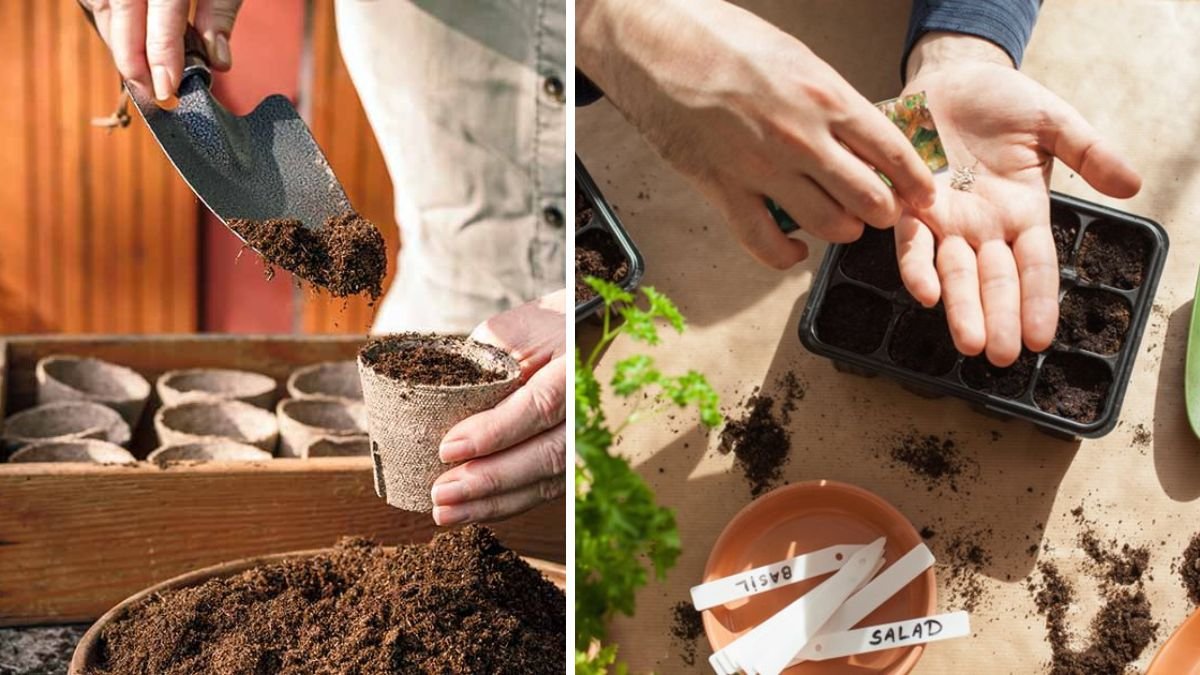
Starting seeds at home is one of the most rewarding ways to jumpstart a garden. However, buying specialized seed trays, grow lights, and expensive soil can add up. The good news is that you can create effective seed-starting setups using everyday household items. Not only is this cost-effective, but it also promotes recycling and sustainability in your gardening practices.
This guide will walk you through 8 easy seed-starting setups using things you likely already have at home, along with tips for germination, care, and transplanting.
Why Seed-Starting Matters
Starting seeds indoors gives you:
- Faster germination than planting directly outside
- Control over light, temperature, and moisture
- Access to a wider variety of plants
- A head start on the growing season
- Fun, educational gardening for all ages
Seeds need consistent warmth, moisture, and light to sprout successfully. Household items can provide all three with minimal expense.
1. Egg Cartons as Seed Starters
Why it works: Lightweight, biodegradable, and perfect for small seeds like lettuce or herbs.
How to use:
- Fill each compartment with seed-starting mix.
- Sow 1–2 seeds per compartment.
- Water gently.
- Cover with plastic wrap or a clear container to retain moisture.
- Transplant by cutting out the compartment and planting directly into soil (biodegradable cartons decompose naturally).
Tip: Avoid styrofoam cartons—they don’t break down and can be harmful to the environment.
2. Recycled Yogurt or Takeout Containers
Why it works: Sturdy containers with drainage holes provide space for larger seeds like tomatoes or peppers.
How to use:
- Poke 3–4 small holes at the bottom for drainage.
- Fill with potting mix and sow seeds.
- Place on a tray to catch extra water.
- Keep in a bright windowsill or under a grow light.
Tip: Label containers with tape and a marker to avoid confusion.
3. Toilet Paper or Paper Towel Rolls
Why it works: Biodegradable, tall enough for root growth, and easy to move.
How to use:
- Cut rolls in half and place upright in a shallow tray.
- Fill with moist soil and plant seeds.
- Water lightly.
- When seedlings are ready, plant the whole roll in the garden—it decomposes naturally.
Tip: Soak the rolls in water for 5 minutes before planting to prevent them from catching fire in hot soil.
4. Ice Cube Trays
Why it works: Small compartments are perfect for starting multiple seedlings without taking up much space.
How to use:
- Fill each compartment with seed-starting mix.
- Sow seeds and cover lightly.
- Cover with clear plastic for humidity.
- Water carefully to avoid overflow.
Tip: Once roots appear, transplant seedlings individually into larger pots.
5. Used Plastic Bottles
Why it works: Bottles can serve as mini greenhouses with removable tops for ventilation.
How to use:
- Cut bottle in half.
- Fill bottom half with soil and plant seeds.
- Use the top half as a cover to maintain humidity.
- Remove top when seedlings sprout.
Tip: Clear bottles let light through, aiding photosynthesis.
6. Muffin Tins
Why it works: Multiple compartments for different seed varieties and easy organization.
How to use:
- Fill each tin cup with seed mix.
- Sow seeds as directed on packet.
- Cover with plastic wrap until seeds germinate.
- Carefully transplant seedlings when roots fill the cup.
Tip: Avoid aluminum tins if using acidic soil—they may react with compost.
7. Takeout Clamshells
Why it works: Ventilated and lightweight; ideal for delicate seedlings.
How to use:
- Fill the bottom with soil and plant seeds.
- Close lid partially to maintain humidity.
- Open during the day to prevent mold growth.
- Transplant when seedlings are sturdy.
Tip: Poke small drainage holes at the bottom to avoid soggy soil.
8. Shoe Boxes or Shallow Storage Bins
Why it works: Large surface area for sowing multiple seeds at once, ideal for microgreens or salad greens.
How to use:
- Fill with 1–2 inches of seed-starting mix.
- Sow seeds evenly and cover lightly.
- Mist regularly and place near a sunny window.
- Harvest or transplant once seedlings are strong.
Tip: Make a DIY humidity dome using clear plastic wrap or a cut soda bottle.
Tips for All Seed-Starting Setups
- Soil: Use light, well-draining seed-starting mix. Avoid garden soil—it can be too dense.
- Light: Seedlings need 12–16 hours of bright light. Use windowsills, grow lights, or fluorescent lamps.
- Water: Keep soil consistently moist but not soggy. Mist lightly to prevent disturbance.
- Temperature: Most seeds germinate best between 65–75°F (18–24°C).
- Labeling: Always label your seedlings for easy identification.
Final Thoughts
Starting seeds using household items is not only eco-friendly but also rewarding. From egg cartons to soda bottles, these setups give you a head start on your garden without breaking the bank. With proper care, your seedlings will thrive, ensuring a strong, colorful, and productive garden season.