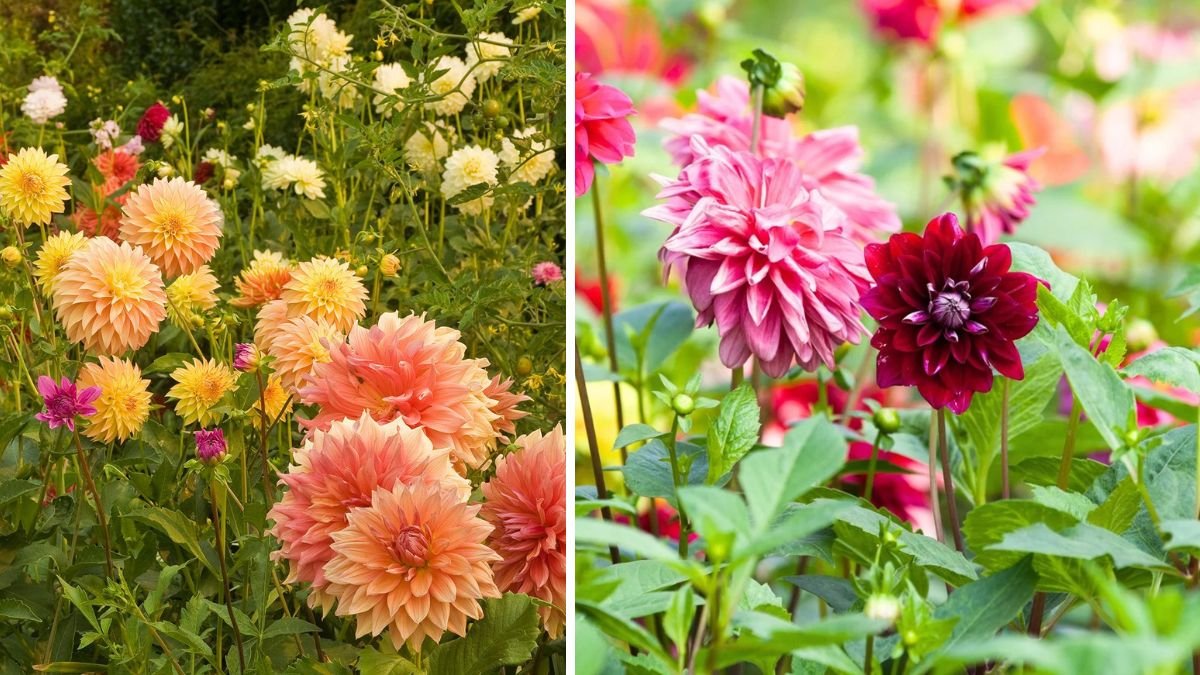
Dahlias are among the most striking flowers a garden can host. With vibrant colors and diverse shapes, they can instantly transform any garden bed. But to truly impress, gardeners aim for bigger, brighter blooms that steal the show. The good news is that with the right techniques, you can coax your dahlias to reach their full potential.
This guide shows you how to grow dahlias that are larger, more colorful, and long-lasting, whether you have a backyard garden, raised beds, or containers.
Why Dahlias Are So Popular
- Wide variety of shapes and sizes: pompons, dinnerplate, cactus, and more
- Long blooming season from mid-summer to fall
- Vibrant colors that attract pollinators
- Excellent for cut flowers and floral arrangements
With proper care, dahlias reward gardeners with repeated, spectacular blooms.
Choosing the Right Dahlia Varieties
- Dinnerplate dahlias: Huge blooms up to 12 inches, dramatic in display
- Cactus dahlias: Spiky petals, vibrant colors, mid-size blooms
- Pompon dahlias: Small, globe-shaped, perfect for borders or bouquets
- Ball dahlias: Dense, perfectly rounded flowers, uniform and striking
Selecting the right variety ensures you achieve the desired bloom size and style.
Planting Dahlias for Maximum Growth
Site Selection:
- Full sun (at least 6–8 hours daily)
- Well-draining soil rich in organic matter
- Protection from strong winds for tall varieties
Soil Preparation:
- Mix compost or well-rotted manure into garden beds
- pH should be slightly acidic to neutral (6.0–7.0)
- Avoid heavy clay that retains too much water
Planting Tubers:
- Plant tubers 4–6 inches deep, eyes facing up
- Space 18–24 inches apart for medium varieties, 30–36 inches for large
- Water lightly after planting to encourage root establishment
Essential Care for Bigger Blooms
1. Watering
- Deep watering 2–3 times per week during growth
- Avoid wetting foliage to reduce fungal diseases
- Mulch around the base to retain moisture and regulate soil temperature
2. Fertilizing
- Balanced fertilizer (10-10-10) early in growth
- High-phosphorus fertilizer once buds appear to encourage larger flowers
- Avoid excessive nitrogen—it promotes foliage over blooms
3. Pinching and Pruning
- Pinch early growth tips to encourage branching
- Remove dead or weak stems to focus energy on strong blooms
- Remove faded flowers promptly to stimulate new growth
4. Support for Tall Varieties
- Stakes or cages prevent flopping
- Tie stems loosely as they grow, avoiding damage
Preventing Common Dahlia Problems
- Powdery mildew: Improve air circulation, water at the base
- Aphids and slugs: Monitor regularly, use organic deterrents
- Tubers rotting: Ensure proper drainage, avoid overwatering
Healthy plants with proper care produce larger, more vibrant blooms.
Enhancing Color Intensity
- Ensure full sun exposure
- Provide balanced nutrition, including potassium and phosphorus
- Regular deadheading encourages repeated flowering
- Mulch to keep roots cool, helping pigment development
Container Dahlias
- Use 15–20 inch deep pots for tubers
- Ensure drainage holes
- Fertilize weekly with diluted liquid fertilizer during flowering
- Place in full sun, moving containers to maximize light
Container-grown dahlias can produce impressive blooms with proper care.
Final Thoughts
By selecting the right varieties, preparing soil well, and providing proper water, nutrients, and support, you can grow dahlias with bigger, brighter blooms than ever before. These show-stopping flowers reward your attention and care, elevating any garden bed, patio, or container display.
With these techniques, your dahlias will become the centerpiece of your garden, admired by friends, neighbors, and pollinators alike.