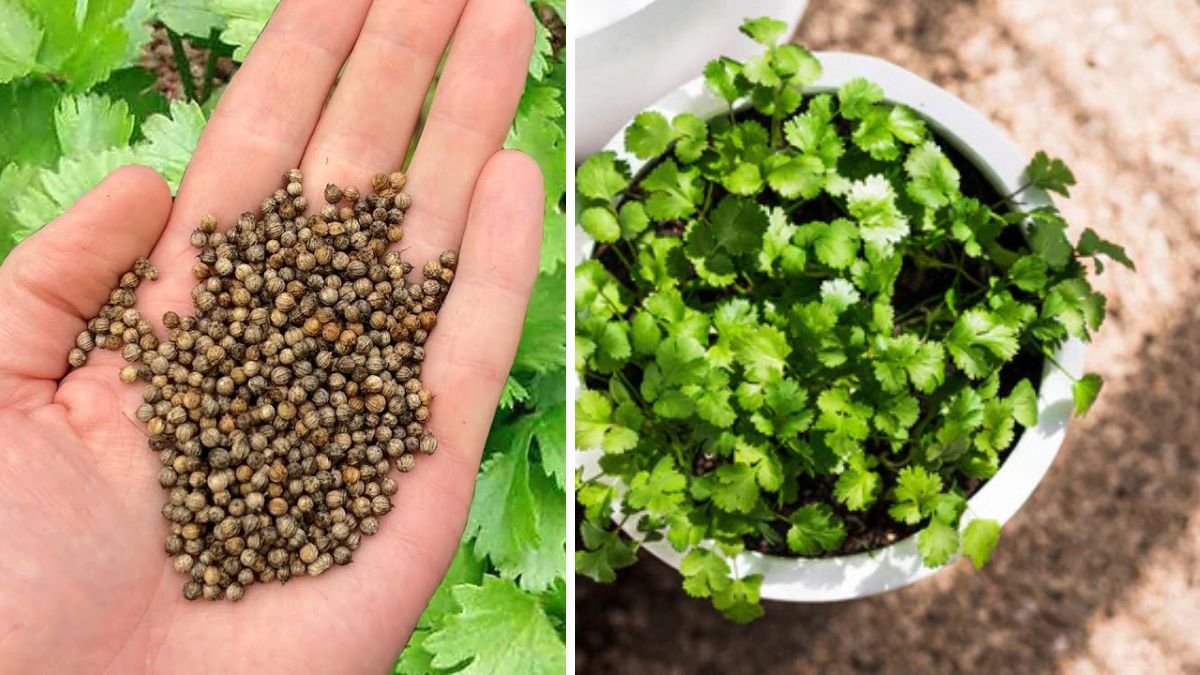
Coriander, also known as cilantro, is one of the most popular herbs used in everyday cooking. Its fresh aroma and vibrant flavor enhance everything from soups and salads to curries and sauces. While coriander is commonly grown outdoors, many people don’t realize that it can be grown successfully indoors with minimal effort.
If you’ve struggled with bolting plants or limited outdoor space, this guide will show you simple, reliable steps to grow coriander indoors with ease, ensuring a steady supply of fresh leaves year-round.
Why Grow Coriander Indoors?
Growing coriander indoors offers several advantages:
- Fresh leaves available anytime
- Protection from extreme heat or cold
- Fewer pests and diseases
- Ideal for apartments and small homes
- Easy control over water and light
Indoor coriander also reduces food waste and saves money in the long run.
Understanding Coriander’s Growth Habits
Coriander is a fast-growing annual herb with a shallow root system. It:
- Germinates in 7–14 days
- Is ready for harvest in 3–4 weeks
- Bolts quickly in hot conditions
- Prefers cool, stable temperatures
Understanding these traits helps you provide the right environment indoors.
Choosing the Right Container
The right container plays a key role in healthy growth.
Ideal container features:
- At least 8–10 inches deep
- Drainage holes at the bottom
- Wide surface area for multiple plants
Coriander grows best when it has room to spread its roots.
Preparing the Best Soil for Indoor Coriander
Coriander thrives in light, well-draining soil.
Recommended soil mix:
- 60% potting soil
- 30% compost
- 10% sand or perlite
This mix holds moisture without becoming waterlogged, preventing root rot.
Choosing and Preparing Coriander Seeds
Always use fresh, high-quality seeds.
Seed preparation tips:
- Gently crush seeds to split them in half
- Soak seeds in water for 12–24 hours
- This improves germination rates
Prepared seeds sprout faster and more evenly.
How to Plant Coriander Indoors
- Fill the container with prepared soil
- Sprinkle seeds evenly on the surface
- Cover lightly with ¼ inch of soil
- Water gently using a spray bottle
- Place the pot in bright, indirect light
Avoid burying seeds too deeply, as coriander seeds need light to germinate.
Light Requirements for Indoor Coriander
Light is one of the most important factors.
Best lighting options:
- South- or east-facing window
- 4–6 hours of sunlight daily
- Supplemental grow lights (10–12 hours)
Rotate pots weekly to ensure even growth.
Watering Indoor Coriander Properly
Consistent moisture keeps coriander healthy.
Watering tips:
- Keep soil slightly moist
- Water when the top inch feels dry
- Avoid overwatering
- Ensure excess water drains freely
Too much water leads to yellow leaves and weak roots.
Maintaining the Right Temperature
Coriander prefers cooler indoor conditions.
Ideal temperature range:
- 60–75°F (15–24°C)
Avoid placing pots near:
- Heaters
- Ovens
- Hot appliances
- Drafty windows
Stable temperatures delay bolting.
Feeding Indoor Coriander
Coriander is a light feeder.
Fertilizing tips:
- Add compost at planting time
- Feed with diluted liquid fertilizer every 3–4 weeks
- Avoid high-nitrogen fertilizers
Overfeeding results in leggy growth and poor flavor.
Harvesting Coriander for Continuous Growth
Harvesting correctly extends the plant’s life.
Best harvesting method:
- Cut outer leaves first
- Leave the center intact
- Harvest frequently
- Never remove more than one-third of the plant
Regular harvesting encourages new leaf production.
Preventing Bolting Indoors
Even indoors, coriander can bolt.
To prevent bolting:
- Keep temperatures cool
- Provide moderate light
- Water consistently
- Harvest regularly
If flowering begins, leaf production slows significantly.
Common Problems and Solutions
- Yellow leaves: Overwatering or nutrient deficiency
- Slow growth: Insufficient light
- Leggy plants: Too little light or overcrowding
Simple adjustments usually fix these issues quickly.
Final Thoughts
Growing coriander indoors is an easy and rewarding way to enjoy fresh herbs year-round. With the right container, light, and harvesting routine, even beginners can maintain healthy, productive coriander plants on a windowsill or countertop. Once you experience the flavor of freshly cut coriander, you’ll never want store-bought again.