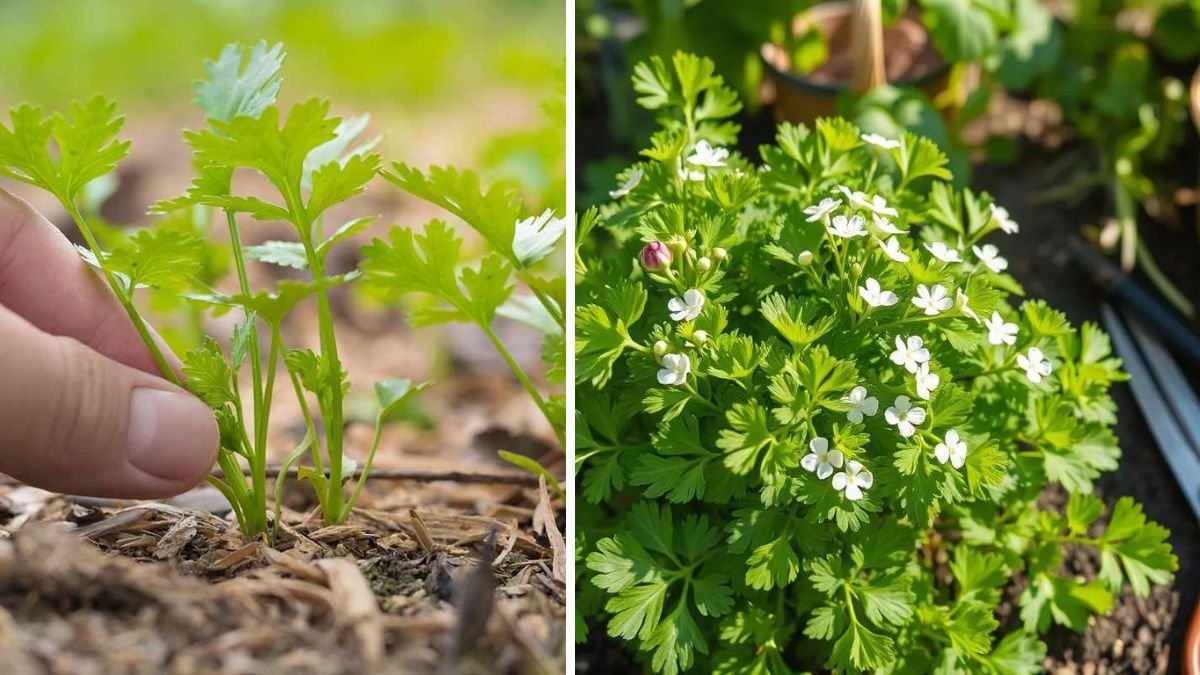
Coriander, also known as cilantro, is one of the most widely used herbs in kitchens around the world. From garnishing soups and curries to flavoring salads and sauces, fresh coriander leaves instantly elevate any dish. Unfortunately, many gardeners struggle to keep coriander growing consistently, as it tends to bolt quickly or die back in unfavorable conditions.
The good news is that with the right techniques, you can grow coriander year-round and enjoy continuous harvesting whether you garden outdoors, indoors, or in containers.
Why Coriander Is Often Difficult to Grow
Coriander is sensitive to:
- Heat stress
- Sudden temperature changes
- Improper watering
- Lack of succession planting
Understanding its growth habits is the key to overcoming these challenges.
Understanding Coriander Growth Cycles
Coriander is a fast-growing annual herb.
- Germination: 7–14 days
- Leaf harvest: 3–4 weeks
- Bolting (flowering): triggered by heat and long days
To harvest year-round, you must stagger planting and manage environmental conditions carefully.
Choosing the Right Coriander Variety
Some coriander varieties are better for continuous harvesting.
Best choices include:
- Slow-bolting coriander varieties
- Leaf-focused cultivars
- Heat-tolerant types for summer
- Compact varieties for indoor growing
Always choose fresh, high-quality seeds for best results.
Growing Coriander Outdoors Year-Round
Spring and Fall Growing
These are ideal seasons.
- Plant in partial sun
- Cooler temperatures encourage leaf growth
- Harvest frequently to delay bolting
Summer Growing Tips
- Grow in partial shade
- Use mulch to keep soil cool
- Water consistently
- Choose slow-bolting varieties
Winter Growing (Mild Climates)
- Plant in protected areas
- Use row covers or cold frames
- Coriander tolerates light frost
Growing Coriander Indoors
Indoor growing allows full control.
Requirements:
- Bright indirect light or grow lights (10–12 hours daily)
- Containers with good drainage
- Consistent temperatures (60–75°F / 15–24°C)
Place pots near windows or under LED grow lights for best results.
Soil Preparation and Containers
Coriander prefers:
- Loose, well-draining soil
- Rich organic matter
- Neutral pH (6.2–6.8)
For containers:
- Minimum 8–10 inches deep
- Avoid overcrowding
- Use lightweight potting mix
Good soil encourages deep roots and healthy leaves.
Succession Planting for Continuous Harvest
This is the most important technique.
How to do it:
- Sow seeds every 2–3 weeks
- Use multiple pots or garden rows
- Rotate planting locations
Succession planting ensures a constant supply of fresh leaves.
Watering and Feeding Coriander
Watering
- Keep soil consistently moist
- Avoid waterlogging
- Water early in the day
Feeding
- Light feeding every 3–4 weeks
- Use compost tea or diluted liquid fertilizer
- Avoid excess nitrogen
Balanced nutrition prevents weak, leggy growth.
Harvesting Coriander Correctly
Proper harvesting extends the plant’s life.
Best practices:
- Harvest outer leaves first
- Never remove more than one-third of the plant
- Cut stems instead of pulling
- Harvest frequently
Frequent harvesting delays flowering and encourages bushy growth.
Preventing Bolting
Bolting is the biggest challenge.
To delay bolting:
- Keep plants cool
- Provide afternoon shade
- Maintain consistent moisture
- Harvest regularly
- Avoid overcrowding
Once coriander bolts, leaf production slows dramatically.
Growing Coriander for Seeds (Coriander Seeds)
If allowed to flower:
- Flowers attract pollinators
- Seeds can be harvested once dry
- Save seeds for future planting
This creates a self-sustaining coriander cycle.
Common Problems and Solutions
- Yellow leaves: Overwatering or nutrient deficiency
- Slow growth: Low light or poor soil
- Pests: Aphids and leaf miners—treat with neem oil
Quick action keeps plants productive.
Final Thoughts
Growing coriander year-round is completely achievable with succession planting, temperature control, and proper harvesting. Whether grown indoors on a windowsill or outdoors in garden beds, coriander rewards consistent care with fresh, fragrant leaves throughout the year. With the right approach, you’ll never need to buy coriander again.