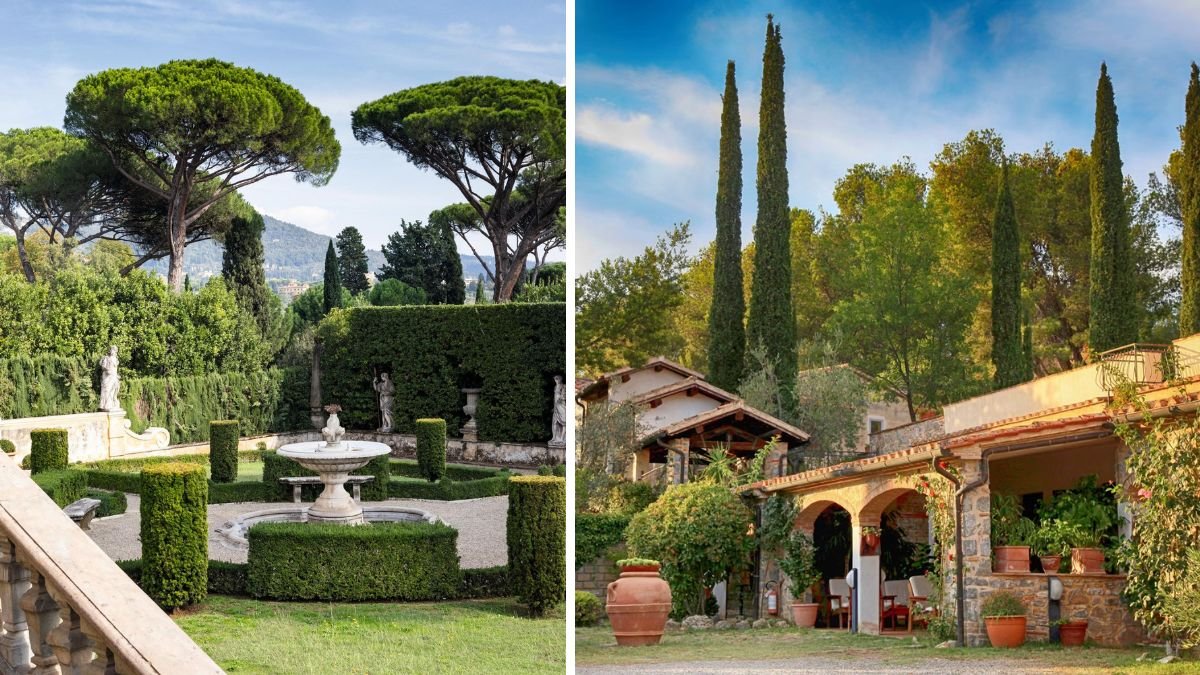
Tuscan gardens are known for their warmth, charm, and effortless elegance. The combination of sun-kissed lemon trees, rustic stone pots, and carefully chosen plants evokes the serene beauty of the Italian countryside. You don’t need acres of land to capture that Mediterranean spirit—even a small patio, balcony, or backyard can be transformed.
This guide will show you how to create a Tuscan-style garden with lemon trees and stone pots, combining style, practicality, and a hint of Italian magic.
Why Lemon Trees and Stone Pots Define the Tuscan Aesthetic
- Lemon trees: Bright, fragrant, and evergreen, lemons are a staple of Mediterranean gardens. They add both beauty and function, offering fruit and aromatic leaves.
- Stone pots: Durable and elegant, stone or terracotta pots create a timeless feel while providing structure to your garden layout.
- Simple greenery and herbs: Olive trees, lavender, rosemary, and thyme complete the look with texture, fragrance, and color contrast.
Together, these elements create a garden that feels relaxed, sophisticated, and welcoming.
Choosing the Right Lemon Tree Variety
For a Tuscan-style garden, choose varieties that are attractive, productive, and suited to your climate:
- Meyer lemon: Small, sweet, and highly decorative
- Eureka lemon: Classic bright yellow fruit, grows well in pots
- Lisbon lemon: Hardy and prolific, ideal for colder climates
If you live in a colder region, dwarf varieties in containers are perfect—they can be moved indoors during winter.
Selecting and Preparing Stone Pots
Stone pots set the tone for your Tuscan garden. Consider:
- Material: Terracotta, natural stone, or concrete
- Size: Large enough for your lemon tree’s roots; at least 18–24 inches deep for mature trees
- Drainage: Ensure pots have holes; excess water must escape to prevent root rot
- Placement: Group pots in odd numbers (three or five) for a natural, balanced feel
The natural texture of stone adds rustic charm while harmonizing with greenery and flowers.
Planting Lemon Trees in Stone Pots
Step-by-Step Guide:
- Fill the pot with well-draining potting soil mixed with compost.
- Remove the lemon tree from its nursery container carefully.
- Position the tree in the center of the stone pot.
- Backfill soil around the roots, leaving 1–2 inches at the top for watering.
- Water deeply and allow the soil to settle.
Mulch around the base with small pebbles or organic mulch for added Tuscan appeal.
Companion Plants for a True Tuscan Feel
- Lavender: Aromatic, purple blooms, attracts pollinators
- Rosemary: Evergreen, functional in cooking
- Thyme: Low-growing herb for borders
- Olive trees: Small dwarf varieties complement lemons
- Geraniums or Petunias: Pops of color for contrast
Arrange plants in clusters around lemon trees, mixing heights and textures for visual interest.
Garden Layout and Styling Tips
- Pathways: Gravel or flagstone paths mimic Italian gardens
- Symmetry with informality: Place pots strategically, but avoid overly rigid lines
- Vertical elements: Use trellises or wrought-iron supports for climbing plants like bougainvillea or jasmine
- Outdoor seating: A small wrought-iron table or rustic wooden bench completes the look
Tuscan gardens feel timeless because of their balance between structure and relaxed charm.
Caring for Lemon Trees in Stone Pots
- Watering: Keep soil moist but not soggy; allow the top inch to dry slightly between waterings
- Fertilizing: Use citrus-specific fertilizer every 6–8 weeks during the growing season
- Pruning: Remove dead branches and maintain a pleasing shape
- Sunlight: Full sun is essential—at least 6–8 hours per day
Stone pots can get hot in direct sun; mulching or moving pots slightly helps prevent root stress.
Seasonal Considerations
- Winter: Dwarf trees may need frost protection; bring pots indoors if necessary
- Summer: Water frequently, especially in full sun
- Flowering and Fruiting: Lemon blossoms are fragrant and attract bees, while fruiting trees add both beauty and harvest
Final Thoughts
Creating a Tuscan-style garden with lemon trees and stone pots is achievable for any space, large or small. The key is to combine classic Mediterranean plants with rustic elements and a relaxed arrangement. In just a few steps, your balcony, patio, or backyard can evoke the warmth and elegance of an Italian garden—complete with fragrant lemons, vibrant herbs, and timeless stone textures.