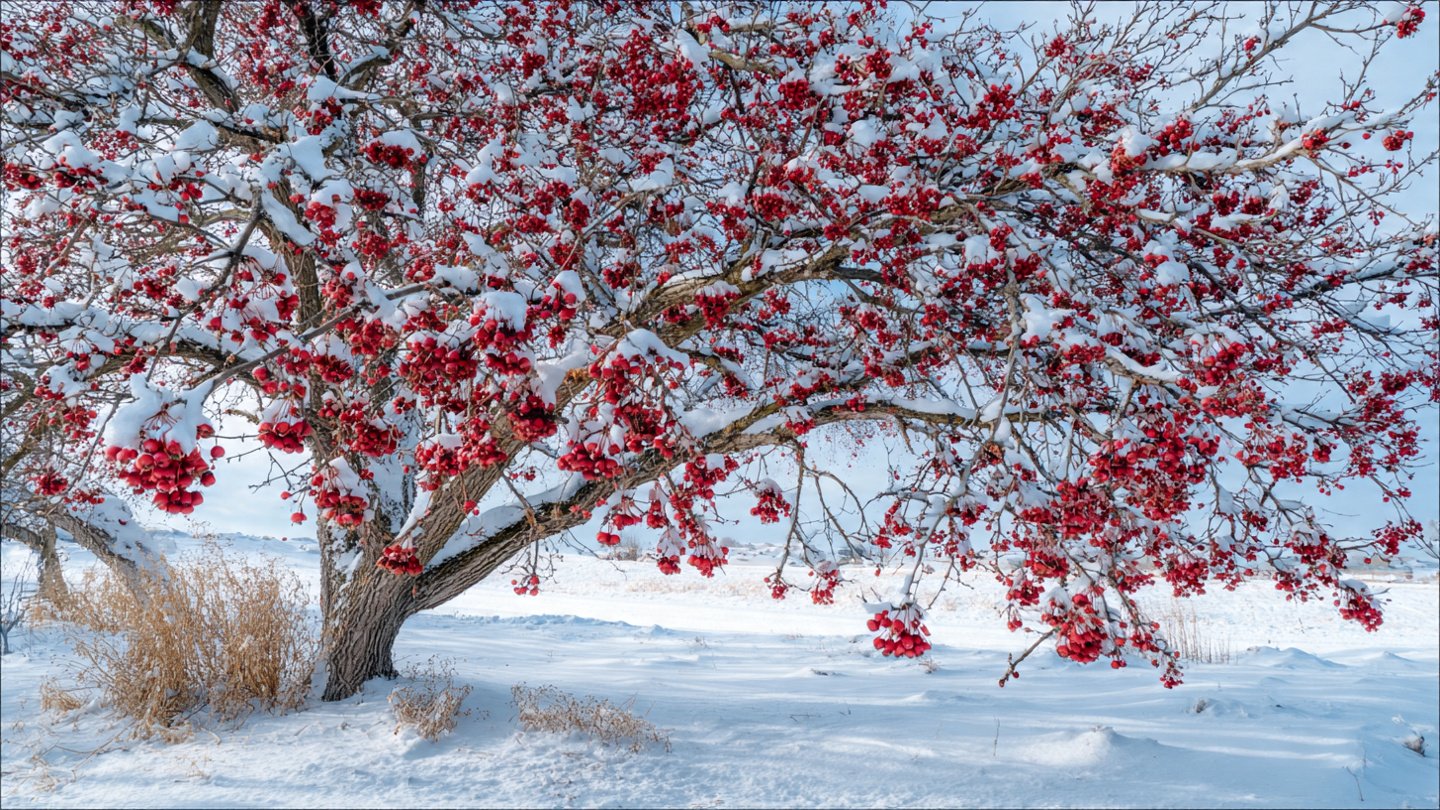
Winter is often seen as a time for rest in the gardening world, but for fruit tree growers, it’s an essential season for tree care, especially pruning. While it may seem counterintuitive to cut back trees during the cold, dormant months, winter pruning has significant advantages that can enhance the health and productivity of your fruit trees.
Understanding the Importance of Pruning
Pruning is the practice of selectively removing branches from a tree to enhance its growth, increase production, and improve overall health. The reasons for pruning fruit trees during winter include:
- Encouraging New Growth: Pruning influences the growth patterns of your fruit trees. By selectively cutting branches, you encourage new growth and shape the tree, leading to a more productive canopy.
- Improving Air Circulation: Thinning the tree allows better airflow. Good air circulation is vital for preventing fungal diseases and ensuring healthy foliage.
- An Aesthetic Appeal: A well-pruned tree is not just healthier but also more visually appealing, contributing to the beauty of your garden.
Benefits of Winter Pruning
1. Visibility of Tree Structure
In winter, when the trees have shed their leaves, the structure of the branches is visible, making it easier to assess the tree’s overall health. You can better identify which branches are dead, diseased, or overcrowded and should be pruned.
2. Reduced Stress on the Tree
Pruning during the tree’s dormant season minimizes stress. The absence of leaves means that the tree is not actively growing, so cuttings won’t shock it as much as pruning would when it’s in full growth mode.
3. Disease Prevention
By pruning in winter, you significantly lower the risk of spreading diseases. Many pathogens and pests are dormant during the colder months; thus, pruning is less likely to expose the tree to harmful agents.
4. Improved Fruit Production
Winter pruning encourages better fruit yields. By removing overcrowded branches that compete for sunlight and nutrients, you allow the remaining branches to produce better quality fruit.
Best Pruning Practices
To achieve the best results from winter pruning, consider following these guidelines:
1. Use the Right Tools
Make sure to use clean, sharp tools. This helps ensure a clean cut that will heal quickly and prevents the transmission of diseases between trees.
2. Know Your Tree Varieties
Different fruit trees have varying pruning needs. Some trees, like apple and pear, benefit from being pruned during dormancy, while others such as cherries may require lighter pruning during this time. Understanding your specific tree needs is crucial for effective pruning.
3. Prune at the Right Time
Winter pruning is generally best done when the tree is fully dormant, typically from late February to early March, depending on your local climate. Timing can vary, so it’s important to monitor your local weather patterns.
4. Prune with Purpose
Always have a plan before you start pruning. Focus on removing dead or diseased branches, and attempt to shape the tree to facilitate better sunlight exposure and airflow.
Common Mistakes to Avoid
1. Over-Pruning
It can be tempting to prune extensively, but over-pruning can stress the tree and reduce its fruiting potential. Aim for a 10-15% reduction in branches for optimal health.
2. Neglecting to Seal Cuts
While many experts debate the necessity of wound sealants, some believe that larger cuts should be treated to prevent disease. If you have doubts, consult a horticulturist or garden expert.
3. Ignoring Safety
Always prioritize your safety while pruning. Use ladders carefully, wear protective gear, and never attempt to prune in icy conditions.
Conclusion
Winter provides an ideal opportunity for pruning fruit trees. From improving air circulation to enhancing fruit production, the benefits of winter pruning cannot be overstated. Armed with proper tools and techniques, you can ensure your fruit trees remain healthy, productive, and visually appealing throughout the growing season. By taking the time to prune in winter, you are making an investment in the future of your fruit trees that will reward you with abundant harvests for years to come.
FAQs
1. When is the best time to prune fruit trees?
The best time to prune most fruit trees is during the dormant season, typically between late winter to early spring before new growth begins.
2. What tools do I need for pruning fruit trees?
A good pair of pruning shears or loppers, a saw (for thicker branches), and disinfectant for tool maintenance are essential for proper pruning.
3. Can I prune fruit trees in the summer?
Yes, but summer pruning should be limited to lighter pruning measures. Heavy pruning during summer can stress the tree and impact its ability to produce fruit.
4. How often should I prune my fruit trees?
Generally, fruit trees should be pruned annually or biannually, depending on their age and health. Young trees need more shaping, while mature trees may require less frequent maintenance.
5. Is it necessary to seal the cuts after pruning?
This is a topic of debate. Some experts believe it’s best to let the tree heal naturally, while others recommend sealing larger cuts to prevent disease. Consult local gardening experts for advice specific to your trees.