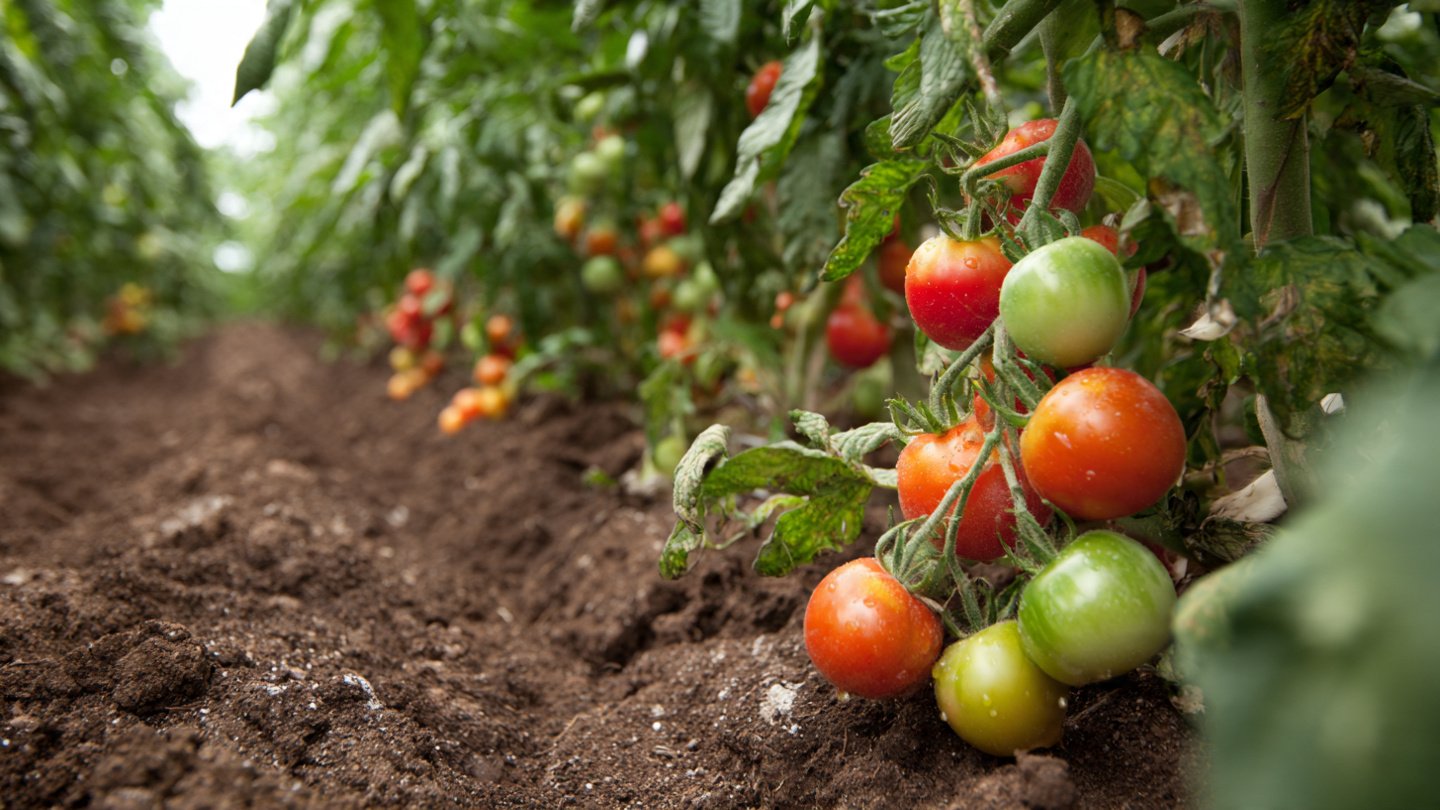
When it comes to cultivating tomatoes, gardeners are often on the lookout for methods that enhance growth, yield, and overall plant health. One technique that has garnered attention among seasoned growers is planting tomatoes in deep horizontal trenches. This method is not only effective but also plays a significant role in maximizing the potential of tomato plants. By analyzing the benefits, practical steps, and underlying science, we can understand why deep horizontal trenches are a standout choice for planting tomatoes.
Understanding Tomato Growth
Tomato plants (Solanum lycopersicum) exhibit unique growth patterns, particularly when it comes to their root systems. A tomato plant’s root system is pivotal to its ability to absorb water and nutrients. The topsoil may seem fertile, but its depth and structure often determine how effectively roots can grow and spread. In standard planting methods, where tomatoes are placed in shallow holes, many roots remain in the upper soil layer, leaving them vulnerable to drying out during hot weather and making it harder for the plant to access deeper nutrients.
Advantages of Planting in Deep Horizontal Trenches
-
Enhanced Root Development: One of the primary advantages of deep horizontal trenches is that they allow for vertical growth of roots. When tomatoes are planted deeply, a larger portion of the stem can develop into roots, resulting in a more extensive root system that can access water and nutrients from deeper soil layers. This will not only help the plant to thrive but also improve its resistance to environmental stressors.
-
Improved Water Retention: Deep trenches help in moisture retention. Soil at greater depths typically holds more water, and since tomato plants are known for their high water needs, this method can ensure they have consistent access to moisture. In periods of drought, plants with deeper roots can tap into moisture reserves that shallow-rooted plants cannot reach.
-
Soil Temperature Regulation: Soils at greater depths tend to maintain a more stable temperature compared to surface soils that are influenced by daily temperature fluctuations. Tomato plants thrive in warm conditions; therefore, a moderated temperature can promote strong growth, especially in cooler climates.
-
Nutrient Accessibility: By planting in deep trenches, the root system has better access to essential nutrients found deeper in the soil. Nutrient depletion is common in surface soils due to leaching from rainfall and irrigation, leaving deeper layers richer in minerals. Deep-rooted tomato plants can utilize these nutrients more effectively.
-
Reduced Disease Risk: A deeper and more extensive root system can improve resistance to soil-borne diseases. Many diseases spread through the upper layers of the soil, so by establishing roots deeper down, tomato plants can evade many fungal or bacterial threats. Furthermore, good drainage in trench systems helps to reduce the risk of root rot—a common issue in tomato cultivation.
-
Stability Against Wind: Deeply rooted plants tend to be more stable and less prone to uprooting during windy conditions. The deeper anchors provided by trenches give tomatoes greater resilience, allowing them to withstand harsher weather without damage.
Developing a Deep Horizontal Trench System
Implementing this method requires careful planning and execution. Here’s how to effectively develop a trench system for planting tomatoes:
-
Site Selection: Choose a location that receives full sun exposure for most of the day. Well-drained soil is critical, as poorly drained areas can lead to root rot.
-
Trench Preparation: Dig horizontal trenches that are at least 12-18 inches deep and 12-24 inches wide. The length will depend on how many plants you wish to cultivate. A wide trench allows for multiple plants and encourages good air circulation among them.
-
Soil Amendments: Enhance the trench with organic matter like compost, peat moss, or well-rotted manure. These amendments improve soil structure, aeration, and fertility. Mix the amendments thoroughly with the original soil.
-
Planting Technique: When planting, remove the lower leaves from the tomato seedlings and bury the plants horizontally in the trench, leaving the top few inches above the soil. This encourages the plant to develop roots along the buried stem, leading to a robust root system.
-
Watering Routine: After planting, water the trenches thoroughly to eliminate air pockets and ensure good soil-to-root contact. As the plants grow, ensure consistent moisture, particularly during dry spells.
-
Mulching and Maintenance: Applying a layer of mulch on top of the soil can help retain moisture, suppress weeds, and regulate temperature. Regularly check for pests and diseases, addressing any problems promptly.
-
Support Structures: With horizontal growth, plants may require support as they mature. Consider using cages, stakes, or trellises to assist in managing growth and ensuring that fruits receive adequate sunlight and air circulation.
Potential Challenges
While the advantages of deep horizontal trenches are numerous, there are some challenges to consider. For instance, this approach can require more initial labor in terms of digging and preparation. Additionally, in very sandy or overly clay-heavy soils, achieving good water retention and drainage can be problematic. It is also crucial to monitor for the buildup of pests and diseases, as moisture can accumulate in trenches, potentially leading to problems.
Conclusion
Planting tomatoes in deep horizontal trenches presents a compelling strategy for enhancing plant growth, fruit yield, and resistance to external stressors. By taking advantage of a deeper soil profile, gardeners can access precipitation and nutrients that are otherwise untapped with standard planting techniques. The method not only promotes strong root development and moisture retention but also addresses issues of disease resistance and environmental stability.
Incorporating deep horizontal trenches into your gardening practices requires planning, but the long-term benefits far outweigh the initial efforts. Whether you’re a seasoned grower or a novice gardener, this method could prove to be the key to cultivating a bountiful tomato harvest. Embrace the effectiveness of this technique and take your tomato-growing endeavors to new heights!