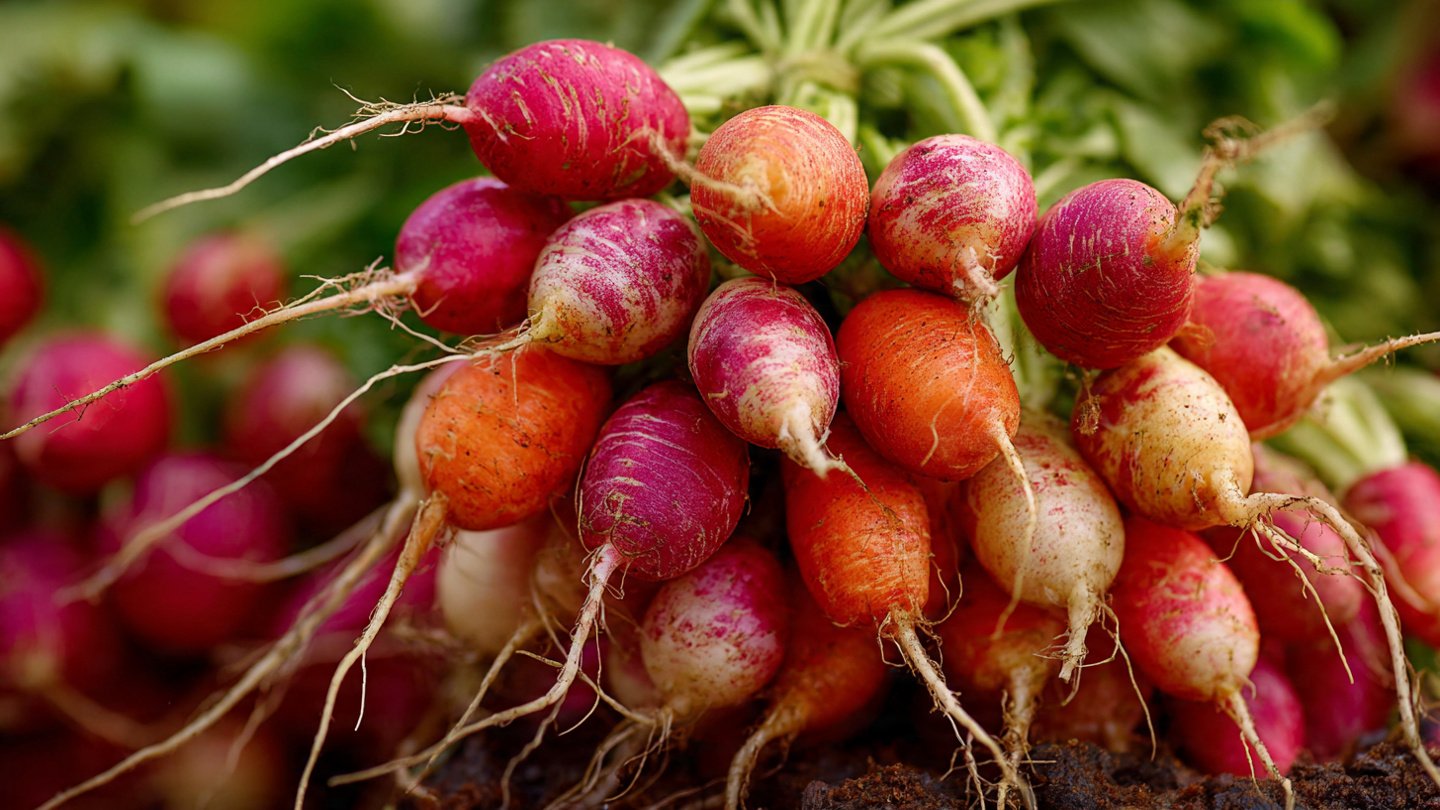
Gardening has long been a cherished activity that not only serves as a source of food but also enriches the soul with the beauty of nature. Among the myriad techniques that gardeners can employ to enhance their yields, companion planting stands out as one of the most effective and sustainable methods. One fascinating combination that provides significant benefits is planting radishes between rows of carrots. This article will explore the advantages of this technique, the biology behind it, and practical tips for implementing it in your garden.
The Basics of Companion Planting
Companion planting involves growing two or more plants in close proximity for mutual benefit. The benefits can include natural pest control, improved nutrient uptake, enhanced pollination, and better use of space. Many gardeners have long recognized that certain plants, when grown together, can thrive better than when they grow alone.
When it comes to carrots and radishes, these two crops are particularly well-suited for companion planting due to their differing growth rates, root structures, and nutrient needs.
Rapid Growth of Radishes
One main reason to plant radishes between rows of carrots is their incredible growth speed. Radishes are among the fastest-growing vegetables and can be harvested in as little as three to five weeks after sowing. In contrast, carrots take longer to mature, typically needing 60 to 80 days depending on the variety.
This rapid growth allows radishes to occupy the space between carrot seedlings as they establish themselves. By the time the carrots are well on their way to maturity, the radishes can be harvested, opening up the space for the carrots to grow without crowding.
Space Efficiency
Space efficiency is a crucial concern for both small and large gardeners. Radishes have a compact root system that allows them to grow well between carrot rows without competing heavily for nutrients. This method utilizes vertical space, offering both plants a chance to thrive while minimizing the risk of overcrowding.
Intercropping Benefits
When you practice intercropping, you maximize the number of crops you can grow in a limited area, allowing you to yield more produce from the same amount of soil. Planting radishes and carrots together enables you to effectively use your garden space by taking advantage of different growth rates and root zones.
Pest Control
An often overlooked benefit of companion planting is the potential for natural pest control. Radishes can repel certain pests that would otherwise pose a threat to carrots. For instance, radishes make their own unique scents and flavors that can confuse or deter pests like the carrot rust fly.
Natural Chemical Defense
Radishes produce glucosinolates, natural chemical compounds that are known to deter pests. When these compounds are released into the soil or the air, they act as a repellant, helping to protect neighboring plants, including carrots, from harmful pests.
Nutrient Mining
The root structures of radishes and carrots are also beneficial when grown together. Radishes have a unique ability to break up the soil, allowing for better aeration and drainage. Their root systems can penetrate deeper layers of soil, making nutrients more accessible to the subsequent crops planted in their vicinity.
Nitrogen Fixation
Although radishes themselves are not nitrogen-fixing plants, they have the ability to improve soil structure and health, creating a more hospitable environment for other plants, including carrots. The organic matter left by harvested radishes contributes to soil fertility, which can support the nutrient needs of carrots as they grow.
Soil Health and Structure
Planting radishes can also enhance soil health and structure. The way radishes develop their roots helps aerate the soil, allowing for better water penetration and root growth of the carrots. This is particularly beneficial for areas with heavy or compacted soil.
Organic Matter
Once harvested, the leftover radish greens can be added back to the soil as organic matter, contributing nutrients back into the earth where the carrots will continue to thrive. This cyclical process contributes to soil health while enhancing the growing conditions for the carrots.
Reducing Competition
Despite their differences, both radishes and carrots will naturally compete for resources such as water, light, and nutrients. However, the staggered growth cycle offers minimal competition. By the time carrots start to assert themselves, the radishes can be out of the ground, minimizing competition for light and space.
Staggered Harvesting
After harvesting the radishes, the spaces they occupied can quickly be filled with the growing carrot tops, allowing you to take full advantage of your garden Tthe available area without losing momentum in growth.
Maximizing Flavor Profiles
Interestingly, planting these two vegetables together can also enhance their flavors. Radishes have a natural tendency to influence the other plants nearby, often enhancing their flavors or even altering their chemical composition. For example, growing radishes alongside carrots may result in more flavorful carrots due to the interplay of their root secretions.
Water Management
Water requirements for both radishes and carrots vary slightly, but they can be managed effectively. Radishes require moderate water, usually thriving in richer, moist soils, while carrots do well with consistently moist conditions, especially during the germination phase. Planting them together allows for slight adjustments in watering practices that can suit both crops effectively.
Mulching
Utilizing mulch in your garden can help maintain soil moisture while preventing weeds from encroaching around both the radishes and carrots. A thick layer of straw or garden clippings can work wonders in conserving moisture while also introducing organic matter into the soil.
Practical Implementation Tips
To successfully implement this companion planting method in your garden, consider the following tips:
1. Timing
Plant radishes and carrots at the same time in early to mid-spring or in a fall garden. Keep in mind that radishes grow quickly, so mark your calendar to harvest when they are young and tender.
2. Spacing
When planting, make sure to space the radish seeds equidistantly between the carrot rows. A suggestion would be to space carrot seeds about 12 inches apart and insert the radish seeds in between every few inches within that row.
3. Soil Preparation
Prepare your soil thoroughly before planting. Make sure it is rich in organic matter and well-aerated. This will give both the radishes and carrots the best chance to thrive together.
4. Monitor for Pests
Keep an eye out for pests, even if you’re relying on natural pest deterrents. If you see any signs of distress in your carrot plants, you can intervene before they are significantly affected.
5. Harvest the Radishes Early
Because of their quick growth, it’s essential to harvest radishes before they mature too much. This will open up space and sunlight for the carrots to continue growing strong and healthy.
Conclusion
Planting radishes between rows of carrots is not just a sustainable gardening method; it’s a practical and efficient way to maximize your garden’s potential. The benefits offered by this companion planting technique, from pest control to soil health, make it an essential strategy for anyone looking to create a thriving garden.
By understanding the intricacies of plant relationships and taking advantage of the unique traits of radishes and carrots, gardeners can produce a more diverse, plentiful, and healthy harvest. So why not give it a try? Your garden will not only flourish but also become a testament to nature’s remarkable symbiosis. Happy gardening!