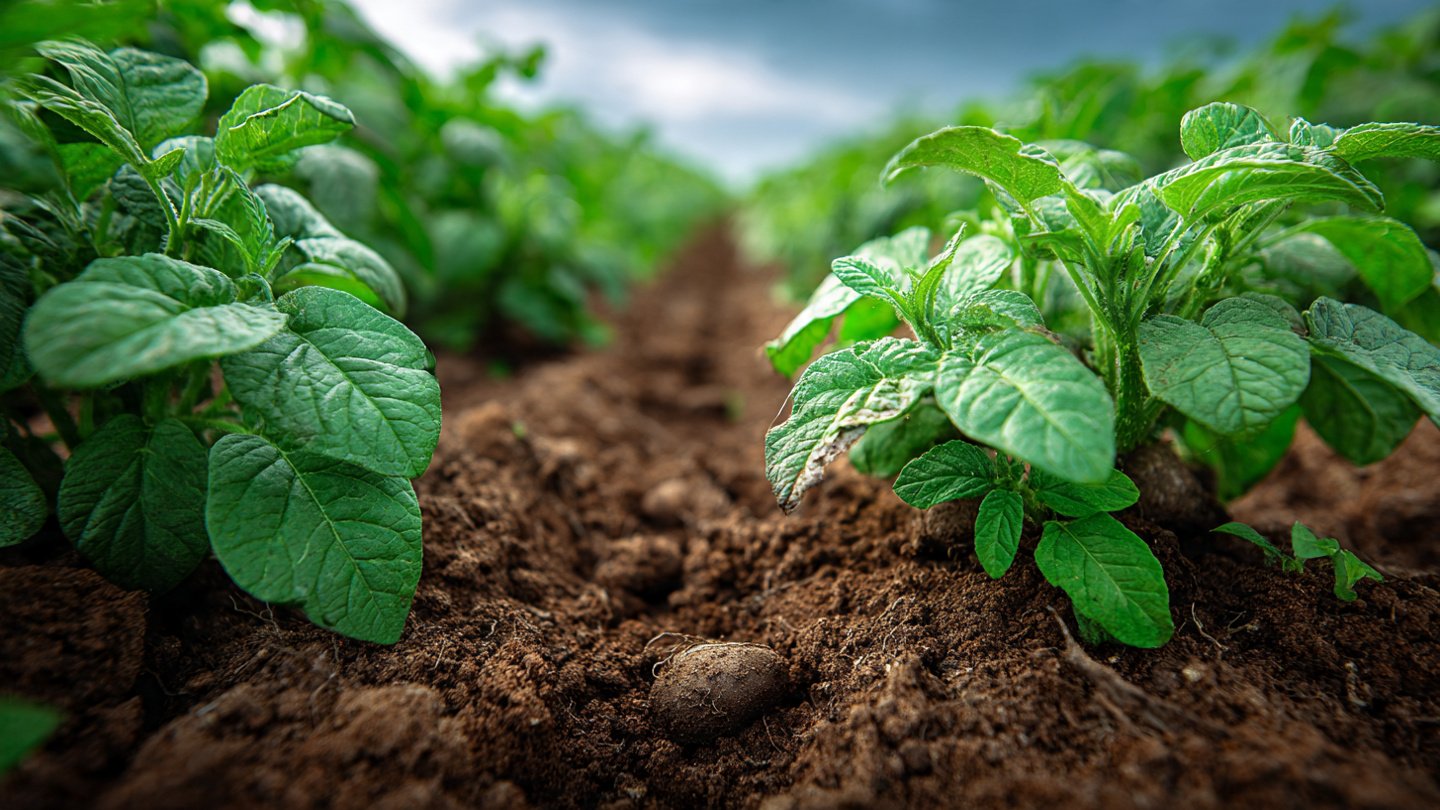
Potatoes (Solanum tuberosum) are among the most widely cultivated crops globally, valued for their versatility and nutritional content. However, successful potato cultivation requires a deep understanding of the plant’s physiological needs, particularly when it comes to soil requirements. The assertion that potato plants need twice the soil for better yield may seem counterintuitive at first. This article delves into the reasons behind this seemingly odd requirement and explores how soil depth and quality directly impact potato yields.
The Role of Soil in Plant Growth
Soil is more than just dirt; it is a living ecosystem that provides essential nutrients, water, and anchorage for plant roots. The key factors regarding soil for potato cultivation include:
- Nutrient Availability: Essential nutrients such as nitrogen, phosphorus, and potassium are crucial for plant growth.
- Soil Structure: A well-structured soil allows for optimal air and water movement, promoting healthy root development.
- Water Retention: Potatoes require adequate moisture, and soil with good water-holding capacity ensures consistent growth.
- pH Levels: The acidity or alkalinity of the soil can significantly affect nutrient uptake.
The Need for More Soil Depth
Potato plants are tubers that grow underground. The depth of soil directly impacts the ability of these tubers to develop adequately. Here are key reasons why more soil depth is beneficial:
1. Root Expansion
Potato plants require ample space for their root systems to expand. When soil depth is limited, roots can become crowded, which restricts their ability to absorb water and nutrients. Providing additional soil allows roots to spread out and better access the resources they need.
2. Tubers Development
The formation of tubers occurs below ground, and having more soil enables a greater number of tubers to develop. Each potato plant can produce multiple tubers, and the more soil there is, the more room tubers have to grow without competition. This leads to larger and more plentiful yields.
3. Improved Drainage
Potatoes are prone to diseases that thrive in overly saturated soil conditions. Adequate soil depth aids in better drainage, helping to prevent waterlogging. This is crucial as waterlogged conditions can lead to rot, effectively destroying the crop.
4. Soil Temperature Regulation
More soil depth helps in regulating soil temperature. Potatoes prefer a cooler environment, and deeper soil retains a more consistent temperature. When soil heats up too quickly, it can stress the plants and inhibit tuber growth.
Soil Quality Matters
It isn’t just about the quantity of soil, but its quality as well. Here are some factors that contribute significantly to soil quality for potato cultivation:
1. Organic Matter
Incorporating organic matter such as compost boosts soil health by enhancing its structure, nutrient profile, and moisture retention capabilities. Organic matter also fosters microbial life, which plays a pivotal role in nutrient availability.
2. Soil Composition
The ideal soil for potatoes is loamy, with a mix of sand, silt, and clay. This combination allows for good drainage while still retaining moisture. Soil composition directly influences how effectively plants can absorb nutrients.
3. Soil Amendments
Utilizing soil amendments such as lime (for pH adjustment) and fertilizers can significantly enhance soil quality. Without the right amendments, even a deep soil may not support the nutrient needs of potato plants.
Yield Outcomes
Research and field trials have consistently shown that deeper, well-managed soil leads to higher yields in potato cultivation. On average, farmers who invest in creating deeper soil beds can expect yields up to 20-40% higher compared to those that stick with more traditional planting depths.
A Case Study
A recent agricultural study focused on two groups of potato farmers—one group used 12 inches of soil, while the other utilized an enriched depth of 24 inches. The results highlighted a significant variance in yield, with the second group harvesting nearly twice as many tubers per plant. This directly correlates with the arguments presented regarding root expansion, tuber development, and overall crop health.
Best Practices for Potato Planting
To optimize the yields of potato crops, consider the following best practices:
- Soil Testing: Conduct a soil test to determine nutrient levels and pH. Amend the soil accordingly before planting.
- Crop Rotation: Implement crop rotation to prevent disease buildup in the soil, enhancing future yields.
- Adequate Spacing: Ensure proper spacing between plants to allow enough room for root and tuber development.
- Water Management: Establish an irrigation plan that avoids overwatering while ensuring consistent moisture.
Conclusion
Understanding why potato plants require twice the soil for better yields emphasizes the complex relationship between soil depth, quality, and crop productivity. By providing potatoes with deeper soils, farmers can foster better root development, tuber formation, improved drainage, and optimal growth conditions. Implementing best practices for soil management not only increases yields significantly but also contributes to sustainable agricultural practices. As the demand for potatoes rises globally, understanding and meeting the needs of this vital crop will be instrumental in addressing food security concerns.
FAQs
1. Can potatoes be grown in shallow soil?
While it is possible to grow potatoes in shallow soil, yields are likely to be significantly lower due to limited root and tuber development.
2. What is the ideal depth for planting potatoes?
The ideal planting depth for potatoes typically ranges from 12 to 24 inches of well-prepared soil for optimal growth.
3. How often should I water potato plants?
Potato plants require consistent moisture but should not be waterlogged. Water them deeply once or twice a week, depending on soil conditions.
4. What amendments do potatoes need?
Common amendments for potato cultivation include compost, well-rotted manure, and fertilizers that are high in potassium.
5. Can crop rotation help improve potato yields?
Yes, crop rotation helps break pest and disease cycles, improving soil health and potentially increasing future potato yields.