The Secret Method for Successfully Growing Blueberries in Alkaline Soil with Sulfur
Blueberries are a delicious and nutritious fruit that can be quite challenging to grow, particularly in alkaline soil conditions. Blueberries thrive best in acidic soils, typically with a pH of 4.5 to 5.5. However, with the right approach, including the use of sulfur, you can successfully cultivate these berries even in alkaline environments. This article will dive deep into how to achieve this, along with tips for maintenance and care.
Understanding Blueberry Soil Requirements
Before delving into how to make your alkaline soil suitable for blueberries, it’s essential to understand what blueberry plants require. These plants prefer:
- Soil pH: Ideally between 4.5 and 5.5.
- Soil Type: Well-draining, loamy soil enriched with organic matter.
- Nutrient Needs: Rich in nutrients like nitrogen, phosphorus, and potassium.
When soil is alkaline (pH above 7), it can lead to nutrient deficiencies in blueberries, particularly aluminum and iron. These deficiencies hinder the plant’s growth and yield.
Step-by-Step Guide to Amending Alkaline Soil with Sulfur
To transform your alkaline soil into a blueberry-friendly environment, sulfur is your best friend. Here’s the step-by-step process for using sulfur effectively:
Step 1: Test the Soil pH
Before adding any amendments, test your soil pH using a home testing kit or by sending a sample to a nearby agricultural extension service. This will establish a baseline, allowing you to make informed decisions on how much sulfur to apply.
Step 2: Calculate the Amount of Sulfur Needed
Once you know your soil pH, you can determine how much sulfur to add. As a general rule:
- For every pH point you want to lower, you will need approximately 1 pound of sulfur per 100 square feet of soil.
Step 3: Apply the Sulfur
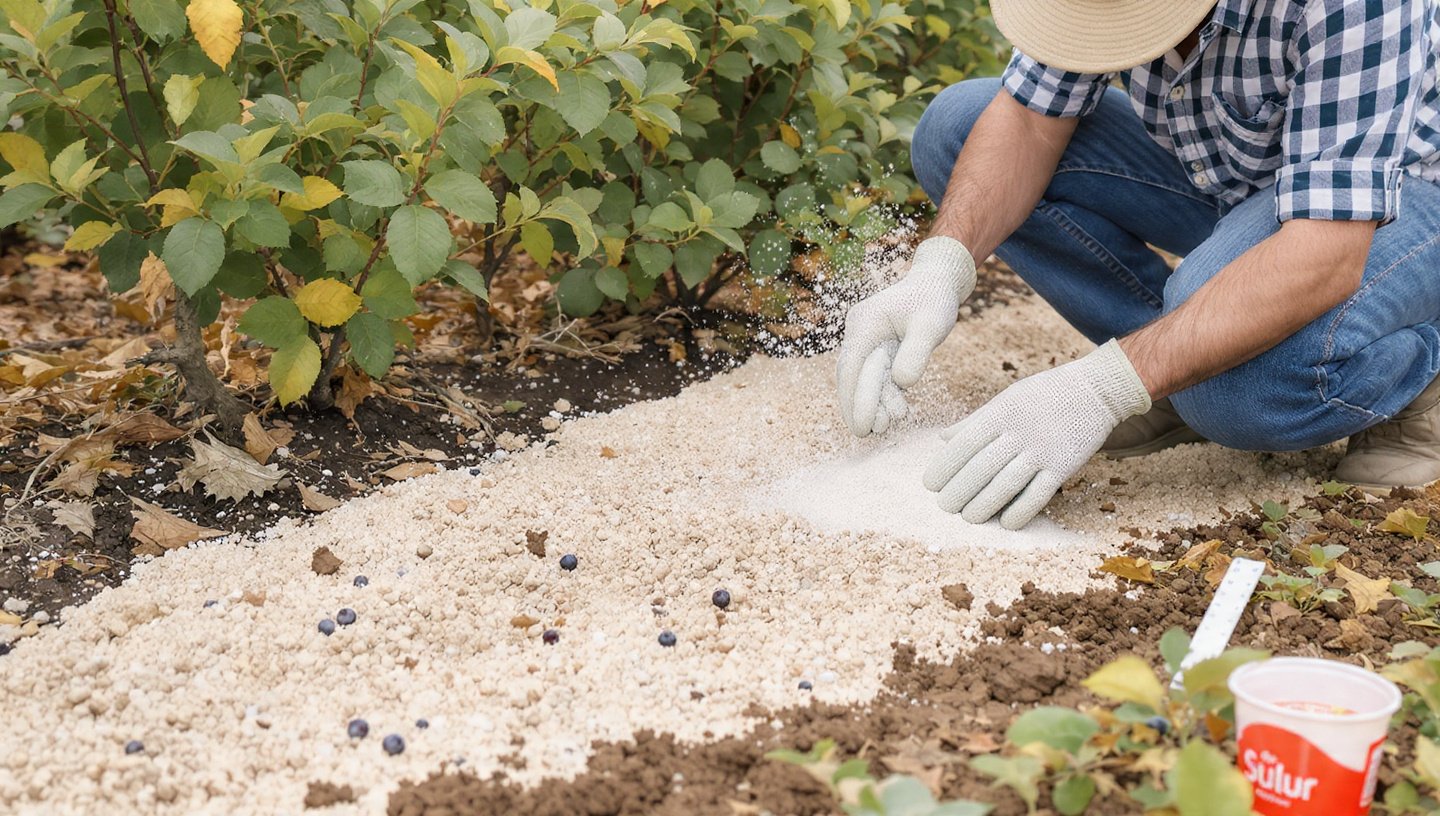
Evenly distribute the calculated amount of sulfur over the soil surface. Use a rake to work the sulfur into the top 4 to 6 inches of soil. Ensure it is incorporated well to accelerate the soil acidification process.
Step 4: Water the Soil
After applying sulfur, water the soil thoroughly. Moist soil helps sulfur work more effectively, as it interacts with soil bacteria to create sulfuric acid, which lowers the pH.
Step 5: Monitor pH Levels
Wait a few months and retest the soil pH. It may require additional sulfur applications every few months until the desired acidity is achieved. This process might take several months to a year, but patience is key!
Choosing the Right Blueberry Varieties
After successfully amending your soil, it’s time to choose the right blueberry varieties that can thrive in your growing conditions. Here are some types worth considering:
- Highbush Blueberries: These are the most common varieties, and they tend to grow well with proper care.
- Lowbush Blueberries: Ideal for those with limited space, these can thrive on their own but may take longer to mature.
- Rabbiteye Blueberries: Suitable for warmer climates, these varieties can also adapt to some alkaline conditions with the proper amendments.
Planting Blueberries
Once your soil is ready, the next step is to plant your blueberries. Here’s how:
Step 1: Choose the Right Location
Select a location with full sun exposure for at least 6 to 8 hours daily. This promotes better growth and fruiting.
Step 2: Planting Procedure
Dig holes about 2 feet apart in rows spaced 5 to 6 feet apart. Each hole should be 2 feet wide and about 2 feet deep. Loosen the soil at the bottom and sides of the hole.
Place the blueberry bush in the hole, ensuring that the root ball is level with the surrounding soil. Fill in with amended soil, and water thoroughly to remove air pockets.
Watering and Fertilizing
Blueberries require consistent moisture, especially during fruit development. Ensure that soil remains moist but not waterlogged. Use mulch to retain moisture and suppress weeds.
Fertilize using a product formulated for acid-loving plants. Look for fertilizers high in nitrogen and low in phosphorus, typically in the form of ammonium sulfate. Apply as per the directions on the label.
Pruning and Maintenance
Regular pruning helps your blueberries stay healthy and productive:
- Annual Pruning: Remove dead or diseased branches each winter.
- Shaping: Maintain an open center for better airflow and sunlight penetration.
- Fruit Thinning: If you have heavy yields, consider thinning fruit to improve size and quality.
Protecting Against Pests and Diseases
Keep an eye out for common pests such as aphids and fruit flies. You can use organic insecticidal soaps to manage infestations. Additionally, proactively monitor for signs of fungal diseases like powdery mildew or root rot, which can be mitigated by proper spacing and watering practices.
Conclusion
Successfully growing blueberries in alkaline soil is indeed achievable with proper preparation, including the application of sulfur to lower the pH. By following the steps outlined in this article, from soil testing and amendments to careful plant selection and maintenance, you can enjoy a bountiful yield of these sweet, tangy berries. Remember, patience is paramount, as it may take time for the soil’s pH to change and the plants to establish themselves fully. With commitment and care, your blueberry bushes will reward you with delicious fruit for many years to come.
FAQs
1. How long does it take for sulfur to change the soil pH?
It can take several months to a year for sulfur to effectively lower soil pH, depending on factors like soil temperature and moisture levels.
2. Can I grow blueberries in pots?
Yes, blueberries can thrive in containers as long as they are large enough (at least 5 gallons) and filled with acidic potting mix.
3. What is the best time to plant blueberries?
The best time to plant blueberries is in early spring or fall when the weather is cooler and soil moisture is optimal.
4. How often should I water blueberries?
Water blueberries regularly, keeping the soil consistently moist but avoiding waterlogging, especially during dry spells.
5. Do I need more than one variety of blueberries for pollination?
While some varieties can self-pollinate, planting multiple varieties typically leads to better fruit set and larger yields.