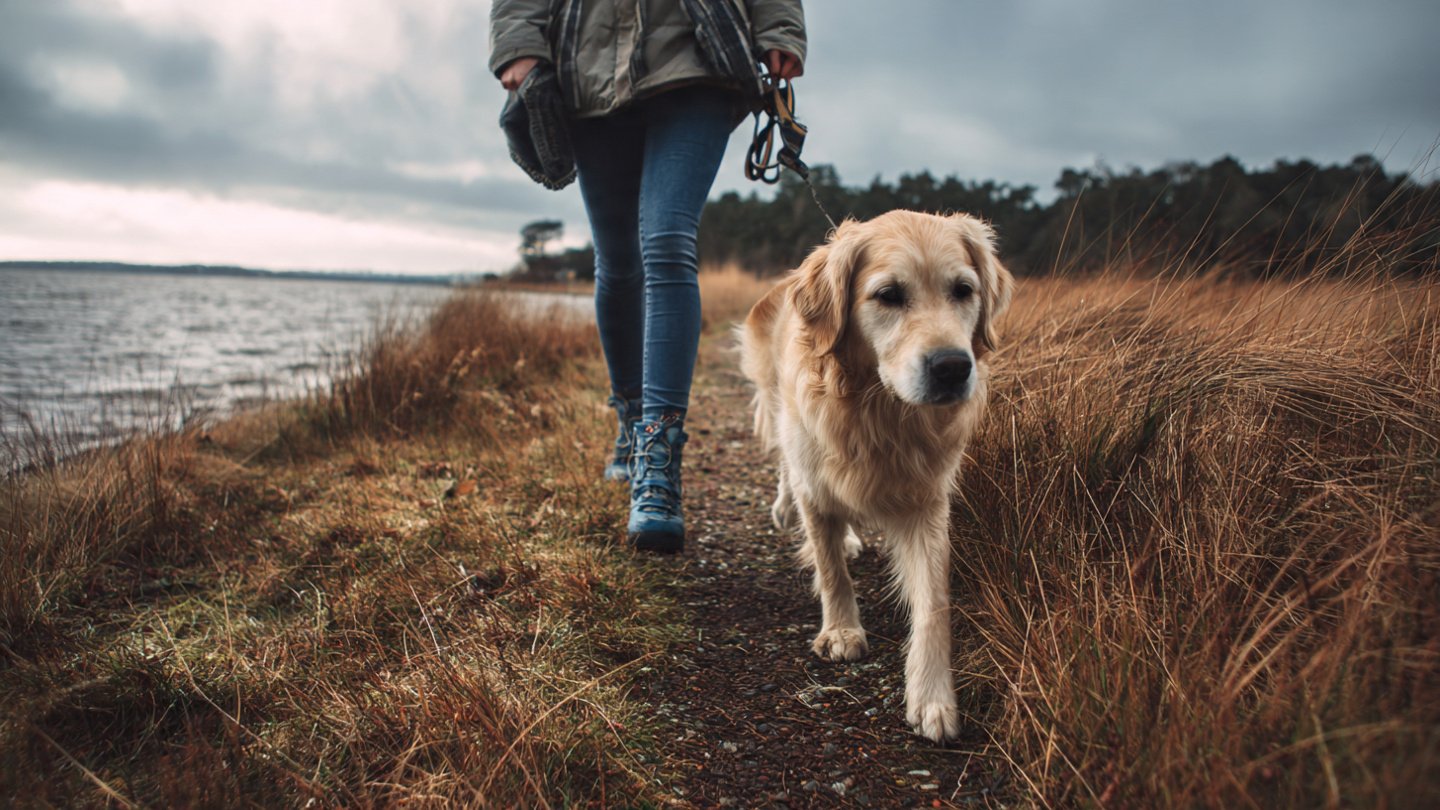
Walking our pets is a regular part of pet ownership, but few of us pause to consider the profound effects that physical exercise has on their behavior and psychological well-being. After a good walk, many dogs, and even some cats, exhibit noticeable calmness, often flopping down or curling up for a nap. This phenomenon isn’t merely anecdotal; it is deeply rooted in science. Let’s explore the biological, psychological, and social aspects that explain why pets tend to calm down after walks.
The Need for Physical Exercise
First and foremost, pets require physical exercise for optimal health. Just as humans benefit from regular exercise, animals do too. Dogs, for example, have evolved from highly active ancestors—the wolf. These animals used to roam long distances for food and companionship. Similarly, domestic dogs require a certain amount of physical activity to maintain their health, muscle tone, and stable weight. Providing exercise can be pivotal in preventing obesity, cardiovascular issues, and other health concerns.
The Physiological Response to Exercise
When a pet engages in physical activity like walking, several physiological changes occur:
-
Release of Endorphins: Exercise leads to the release of endorphins—the body’s natural feel-good chemicals. This response is similar to the “runner’s high” that human athletes experience. In pets, endorphins promote feelings of happiness and well-being, helping to alleviate stress and anxiety.
-
Regulation of Hormones: Exercise helps regulate hormones such as cortisol and adrenaline, which are closely related to stress. After a vigorous walk, the decrease in these stress hormones leads to a more relaxed animal.
-
Increased Blood Circulation: Physical activity increases blood flow, allowing for better oxygenation of muscles and organs. This contributes to a pet’s overall vitality and well-being, further fostering calmness once the exercise ends.
The Psychological Aspect of Exercise
Beyond the physiological effects, exercise plays a vital role in a pet’s mental health. Routine walks provide mental stimulation, allowing animals to explore their surroundings, meet other pets, and experience various scents, sounds, and sights.
Stress Relief
Just as humans often feel more relaxed after physical activities, pets experience similar relief. Walking provides an outlet for pent-up energy and frustration. If a pet remains cooped up indoors for extended periods, they may exhibit destructive behavior due to boredom or anxiety. Exercise acts as a natural remedy, reducing these tendencies.
Behavioral Aspects
A well-exercised pet is often more well-behaved. Regular walks can help reduce hyperactivity and aggressiveness. According to various studies, pets that receive ample exercise are less likely to engage in unwanted behaviors. A dog that has had a long walk is less likely to jump, bark excessively, or engage in destructive chewing when at home.
Mental Stimulation
Dogs and cats often enjoy the variety of experiences they encounter during walks. For instance, a dog can see new people, other dogs, birds, and a myriad of scents. This sensory overload acts as mental stimulation, which can tire out a pet in a way that is often more beneficial than physical exercise alone. The brain, much like the body, requires exercise too.
Social Interaction and Bonding
Walking pets also facilitates social interaction, not just for them but also for their owners. Engaging with other pets and their owners promotes socialization, which is essential for a pet’s emotional health. During a walk:
-
Social Learning: Pets learn essential social cues from interacting with others. They observe body language, play behavior, and communication styles, which can enrich their understanding of social dynamics.
-
Strengthening Human-Pet Bond: Walks can serve as an opportunity for bonding. Engaging in activities together enhances the trust and emotional connection between pet and owner. This bond can lead to a more relaxed pet at home.
-
Anxiety Reduction: For both pets and humans, socializing can help reduce anxiety. Being exposed to different situations, environments, and people in a controlled context helps pets develop confidence and adaptability.
Breed-Specific Behaviors
It’s also important to consider how breed characteristics influence a pet’s need for exercise. Some breeds are naturally more energetic and require more frequent and intense exercise. For example, working breeds like Border Collies or Australian Shepherds need both physical and mental stimulation. A simple walk may not be sufficient for their exercise needs. Conversely, breeds known for lower energy levels, like Bulldogs or Basset Hounds, might calm down more quickly after a leisurely stroll.
Tailoring Walks to Fit Individual Needs
Understanding the specific exercise requirements of your pet breed is key to fostering a calm demeanor after walks. Tailoring exercise regimens to fit these needs not only helps calm down overly energetic pets but also promotes well-being and reduces the likelihood of behavioral issues.
Age Considerations
Age is another factor that impacts how a pet reacts after walks. Puppies and young dogs often have boundless energy and may take longer to settle down, while older pets tend to tire more quickly. Regular exercise is essential for older pets, but the intensity and duration must be modified to suit their capabilities.
Senior Pets
Older pets may require shorter, more frequent walks, especially if they have health concerns such as arthritis or joint issues. Even minimal physical activity can help keep them calm, foster mood improvement, and maintain mobility.
The Importance of Routine
Just as with humans, pets thrive on routine. Regular walking schedules help pets understand what to expect throughout the day. A consistent exercise schedule can create stability and predictability for your pet, leading to reduced anxiety and improved relaxation after their walks.
Designing an Effective Walking Routine
Establishing a regular walking routine can also enhance the calming effects post-walk. Here are some tips to consider:
-
Time Duration: Assess how long of a walk your pet needs daily, and gradually increase duration based on their stamina.
-
Walking Environment: Choose diverse routes that expose your pet to different stimuli. Busy parks, quiet neighborhoods, or nature trails can offer varied experiences every time.
-
Active Engagement: Incorporate engaging activities during walks, such as playing fetch or letting them interact with other dogs. This helps burn off additional energy.
-
Visual and Olfactory Stimulation: Allow pets to explore their surroundings through sniffing, which provides mental stimulation.
The Role of Nutrition
Nutrition also plays a crucial role in post-walk behavior. A healthy diet ensures pets have the energy they need for physical activity and the nutrients required for recovery. An improper diet can lead to lethargy or hyperactivity. When pets consume foods high in sugar or low in essential nutrients, their energy levels can spike, leading to erratic behavior.
Balanced Diet for Optimal Health
Creating a balanced diet that supports your pet’s activity level is essential. High-quality, protein-rich diets typically keep pets feeling full and satisfied, aiding relaxation after workouts. Always consult with a veterinarian regarding suitable dietary selections for your pet’s specific needs.
Conclusion
In conclusion, there are multifaceted reasons why pets calm down after walks, encompassing physiological, psychological, and social factors. Regular physical exercise is not just essential for health but plays a fundamental role in shaping a pet’s behavior and emotional well-being. By understanding the importance of exercise, creating tailored routines, paying attention to diet, and considering breed and age, pet owners can foster a calm and happy pet after walks. This knowledge not only enriches the life of the pet but enhances the bond between pet and owner, leading to a more harmonious household. By acknowledging the science behind walks and the resulting calmness, we set the stage for healthier, more balanced lives for our beloved animal companions.