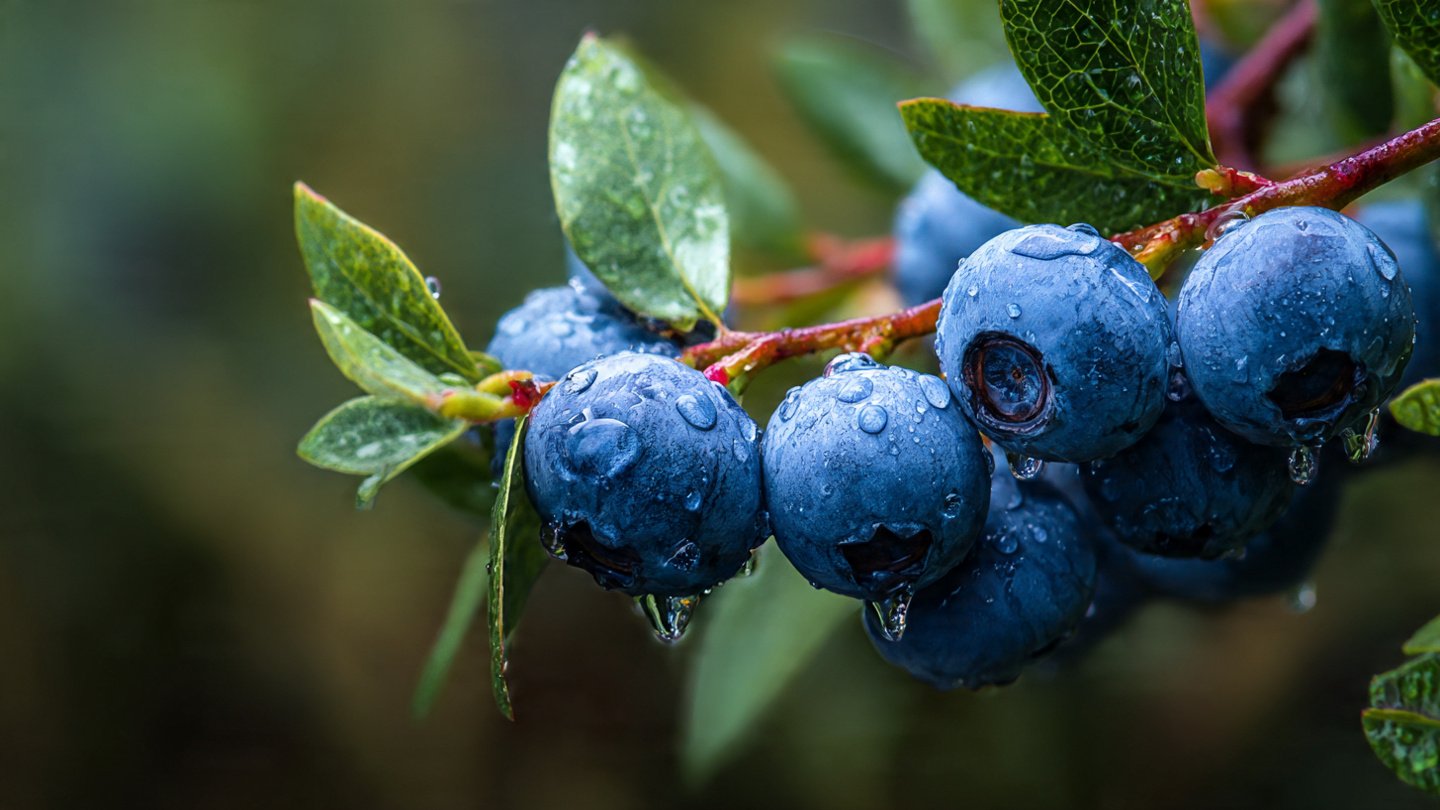
Blueberries are among the most beloved fruits, celebrated for their taste, nutritional value, and versatility. Yet, their growth is highly dependent on the soil’s pH levels. If you’re planning to cultivate blueberries, understanding the intricacies of soil chemistry—specifically, whether your soil is too alkaline—is crucial for a successful harvest. This article will guide you through the signs of alkaline soil, its impact on blueberry plants, and how to adjust your soil conditions for optimal growth.
Understanding Blueberry Soil Requirements
Before we dive into soil pH, it’s essential to outline what blueberries need from their environment:
-
Soil Type: Blueberries thrive in well-drained, sandy loam or loamy soils. These types of soil facilitate good drainage and root development.
-
Soil pH: This is perhaps the most critical factor. Blueberries prefer acidic soil conditions, ideally with a pH range of 4.5 to 5.5. In soils above this range, various growth issues can arise.
-
Nutrient Availability: The solubility of nutrients in the soil is influenced by pH. Acidic soils promote the availability of essential nutrients like iron, manganese, and zinc, which are vital for blueberry health.
Understanding these requirements sets the stage for recognizing the potential issues that arise from alkaline soil.
What Is Alkaline Soil?
Soil pH is measured on a scale of 0 to 14, with 7 being neutral. A pH value above 7 indicates alkaline soil, while a value below 7 signifies acidic soil. Alkaline soils can result from various factors, including mineral content, precipitation levels, and previous agricultural practices. Soil can also become alkaline over time through the accumulation of calcium carbonate.
Alkaline soil presents several challenges for growing blueberries, primarily due to the reduced availability of essential nutrients. Blueberries struggle in such conditions because high pH levels can lead to mineral deficiencies.
Signs That Your Soil May Be Too Alkaline
Detecting whether your soil is too alkaline involves careful observation and testing. Here are key indicators that you may be dealing with alkaline soil:
-
Leaf Discoloration: If your blueberry leaves start turning yellow (a condition known as chlorosis), it might signify iron deficiency, commonly associated with high pH levels. Young leaves may show these symptoms first.
-
Stunted Growth: Blueberry plants in alkaline soils often grow slowly and exhibit weak or leggy growth. The inability to absorb sufficient nutrients can manifest as poor vigor.
-
Poor Fruit Set: If your plants blossom but fail to produce an adequate number of fruits, the high pH may be inhibiting proper pollination and fruit development.
-
Wilting or Drooping: Affected plants may exhibit signs of wilting even when the soil appears moist, an indication that roots aren’t absorbing water effectively due to poor nutrient availability.
-
Weak Root System: Inspect plant roots; if they appear brownish or brittle, this may suggest root stress due to high soil pH.
Soil Testing: The First Step to Understanding
To confirm the presence of alkaline soil, conducting a soil test is imperative. Here’s how to execute this step effectively:
-
Collect Soil Samples: Use a clean tool to take samples from various locations in your garden. This ensures accurate representation.
-
Use a Soil Testing Kit: Purchase a soil testing kit or send samples to a local agricultural extension office for analysis.
-
Analyze pH Levels: The results will provide you with the pH level and additional information about nutrient content.
-
Consider Nutrient Levels: Alongside pH, check for levels of essential nutrients like nitrogen, phosphorus, potassium, and micronutrients.
The Consequences of Alkaline Soil on Blueberries
If you discover that your soil is indeed too alkaline, understanding the consequences can better prepare you for corrective measures.
-
Nutrient Deficiencies: As previously noted, high pH levels make iron less available. This deficiency leads to yellowing leaves and overall poor health.
-
Reduced Water Uptake: In alkaline environments, root systems may not effectively absorb water, causing stress. This can lead to wilting and a compromised growth cycle.
-
Increased Pest and Disease Vulnerability: Weakened plants are more susceptible to pests and diseases, often leading to increased management challenges.
-
Incompatibility with Companion Plants: If you’re considering planting blueberries alongside other plants that prefer acidic conditions (like azaleas or rhododendrons), alkaline soil complicates relationships and overall garden health.
Solutions for Adjusting Alkaline Soil
Fortunately, there are several strategies to amend alkaline soil and create a more suitable environment for blueberries:
-
Soil Acidifiers: Amend your soil by adding materials like elemental sulfur, aluminum sulfate, or iron sulfate. These substances can effectively lower pH levels over time.
-
Organic Matter: Incorporate organic matter such as peat moss, pine needles, or composted leaves. These materials not only help acidify the soil but also improve its texture and drainage.
-
Mulching: Apply a layer of acidic mulch (like pine bark or shredded leaves) around your blueberries. This not only provides acidity but also conserves moisture and suppresses weeds.
-
Frequent Testing: After implementing changes, test your soil periodically to gauge effectiveness and ensure the pH levels move within the optimal range for blueberries.
-
Choose the Right Varieties: If you live in an area where amending soil is a challenge, consider selecting blueberry varieties that are more tolerant of slightly alkaline conditions. While they will still prefer acidic soils, they may have better adaptability.
Beyond Soil pH: Other Soil Health Factors
While pH is critical, other factors can also influence blueberry health:
-
Soil Drainage: Blueberries require well-drained soils. If drainage is an issue, consider elevating your planting beds or incorporating gravel to enhance flow.
-
Moisture Levels: Blueberries thrive in consistently moist (but not soggy) conditions. Mulching helps retain necessary moisture levels while keeping roots cool.
-
Fertilization Practices: Use fertilizers designed for acid-loving plants. These promote healthy blueberry growth and ensure sufficient nutrient delivery.
Monitoring and Maintenance
After you’ve taken steps to address potential alkalinity, ongoing monitoring is essential:
-
Regular Testing: Continue testing your soil every year or two. This ensures that the pH remains optimal and helps detect any fluctuations.
-
Observe Plant Health: Keep an eye on your blueberry plants after making amendments. Rapid improvement in color, growth, and fruit set can indicate that your efforts are paying off.
-
Stay Informed: Keep learning about blueberry cultivation best practices. The more you understand, the better you can anticipate challenges.
Conclusion
Growing blueberries can be a labor of love, but understanding your soil’s pH and conditions is a vital part of the process. If your soil is too alkaline, identifying the signs early can prevent long-term issues and promote a healthy, bountiful harvest. By testing your soil, recognizing the indicators of high pH, and implementing corrective measures, you can create an ideal environment for blue blueberries to thrive.
While the challenges of alkaline soil may seem daunting, knowledge and proactive management will empower you to enjoy the sweet rewards of your blueberry plants. Happy gardening!