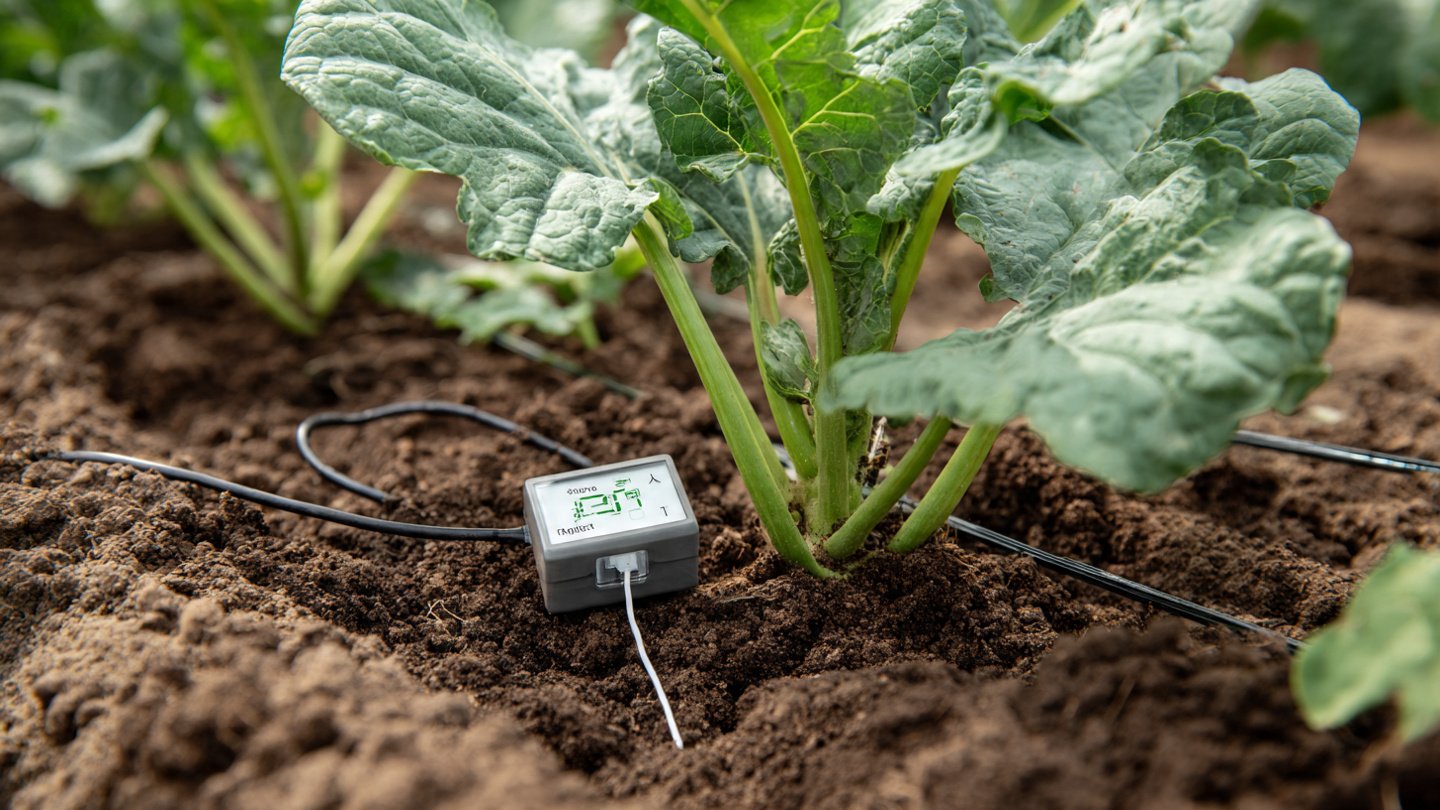
Gardening has evolved from merely a pastime to a complex intersection of environmental science, technology, and agricultural practices. One of the most revolutionary advancements is the soil moisture sensor. These devices promise to transform garden care, bringing efficiency, precision, and an array of benefits that could potentially lead to thriving gardens. But is the smart soil moisture sensor truly the secret to flourishing plants? This article delves into what these sensors are, how they work, and their impact on garden health and overall sustainability.
Understanding Soil Moisture Sensors
Soil moisture sensors are devices designed to measure the water content in soil. By sending an electrical signal through the soil, these sensors can gauge the volumetric water content—essentially telling you how much moisture is present. The technology behind these sensors has evolved significantly. They range from simple probes to highly sophisticated systems that connect with your smartphone or home automation systems.
Types of Soil Moisture Sensors
-
Capacitance Sensors: These sensors measure the dielectric permittivity of the soil. The water content affects the dielectric constant, allowing the sensor to estimate moisture levels accurately.
-
Tensiometers: This type of sensor measures the tension of water in soil. When soil is dry, it pulls water from a tube in the sensor, allowing a gauge to indicate moisture levels.
-
Resistance Sensors: These sensors measure the electrical resistance between two electrodes planted in the soil, with moisture levels affecting the conductivity.
Each sensor type comes with its own set of advantages, disadvantages, and best-use scenarios. Choosing the right one depends on your garden’s specific needs, climate, and soil type.
The Need for Soil Moisture Sensors in Gardening
Over-watering and under-watering are common mistakes among gardeners, leading to stressed plants and wasted water resources. Traditional gardening methods often rely on visual cues, which can be misleading. Soil moisture sensors provide objective data, allowing gardeners to make informed watering decisions. Here are some reasons why they are essential:
-
Water Conservation: In a world increasingly challenged by water scarcity, smart watering solutions can minimize waste. Sensors can help determine when plants truly need water, reducing the incidence of over-watering.
-
Optimized Plant Health: Different plant species have unique water needs. Soil moisture sensors help maintain optimal moisture levels, promoting healthier root systems and reducing the risk of root rot and other diseases.
-
Time Efficiency: Automated watering systems linked to soil moisture sensors can save time and labor. Gardeners can focus on other gardening activities while the system takes care of watering accurately.
-
Data Collection and Analytics: Many smart soil moisture sensors come equipped with apps or software that allow gardeners to monitor moisture levels over time. This data can help in understanding how soil composition, weather patterns, and plant health interact.
The Benefits of Smart Soil Moisture Sensors
Investing in a smart soil moisture sensor can yield numerous advantages that align with modern gardening philosophies, such as sustainability and efficiency.
Enhanced Monitoring
One of the primary benefits of smart soil moisture sensors is the ability to monitor moisture levels remotely. Many sensors connect to smartphones or smart home systems, enabling users to check levels and receive alerts when watering is necessary.
Integration with Smart Gardening Systems
Smart soil moisture sensors can integrate seamlessly with other smart gardening devices, such as automated irrigation systems and weather stations. This interconnectedness leads to comprehensive environmental monitoring and ensures plants receive the right care based on real-time data.
Customized Watering Schedules
With the capability to analyze soil moisture trends, these sensors allow for tailored watering schedules. Gardeners can set up specific moisture thresholds that will trigger their irrigation systems, ensuring optimal care for different plant types.
Learning Over Time
Many smart moisture sensors employ machine learning algorithms to adapt and optimize watering routines. By analyzing past data, they can provide customized watering plans based on specific weather forecasts and plant growth stages.
Limitations and Considerations
While smart soil moisture sensors offer many advantages, they are not without limitations. Understanding these can help gardeners make informed decisions.
Initial Cost
The upfront investment for smart moisture sensors can be higher than traditional watering methods. However, the long-term benefits often outweigh these costs, especially in water-saving potential and improved plant health.
Calibration and Maintenance
Some sensors may require regular calibration and maintenance to ensure accurate readings. Gardeners should follow manufacturer guidelines to keep sensors functioning optimally.
Connectivity Issues
As with any smart device, connectivity can sometimes be an issue, especially in areas with weak Wi-Fi signals. Gardeners should ensure that their sensors are placed in areas where signals are strong.
Real-Life Success Stories
The benefits of smart soil moisture sensors extend beyond theoretical advantages. Many gardeners and agricultural professionals have reported transformative experiences after integrating these sensors into their gardening practices.
Home Gardeners
Home gardeners have shared their experiences of improved plant health and reduced water bills after adopting smart soil moisture sensors. By eliminating guesswork, they can tend to their gardens based on precise data, leading to lush landscapes and flowering plants.
Community Gardens
Community gardens especially benefit from smart soil moisture technology. These gardens often share limited resources, and optimizing watering schedules not only conserves water but also fosters collaboration and learning among community members.
Professional Farmers
Even large-scale agricultural operations have begun to recognize the value of soil moisture sensors. By using these devices, farmers can increase crop yields, reduce labor costs, and implement more sustainable farming practices.
Future Trends in Soil Moisture Sensor Technology
The realm of smart gardening is continuously evolving. Future developments may include:
-
Greater Accuracy: As technology advances, we can expect more precise readings through improved sensor designs and algorithms.
-
Integration with AI: Artificial intelligence may further revolutionize how these devices operate, allowing for predictive analytics that can optimize water usage based on extensive data patterns.
-
Sustainable Manufacturing: As environmental concerns rise, companies may explore eco-friendly materials for sensor production, making them more sustainable from start to finish.
The Bottom Line: Is It Worth It?
When considering whether a smart soil moisture sensor is the secret to thriving gardens, it is crucial to weigh the advantages against the limitations. For those committed to improving their gardening practices, these sensors can indeed be a game-changer. They enhance the ability to monitor plants, customize care, and contribute to sustainability by conserving water.
However, it also boils down to personal gardening goals. If you are a casual gardener who enjoys a hands-on approach, the utility of such technology may seem less vital than for those deeply invested in optimizing their gardening efforts.
In conclusion, the smart soil moisture sensor represents not just a gadget but a potential cornerstone of modern, sustainable gardening. As technology continues to advance, these tools could indeed become indispensable for anyone wishing to cultivate their plants into thriving, lush creations. So, whether you’re a beginner seeking guidance or a seasoned gardener looking to optimize, investing in a smart soil moisture sensor could very well be a step toward the garden of your dreams.