Introduction
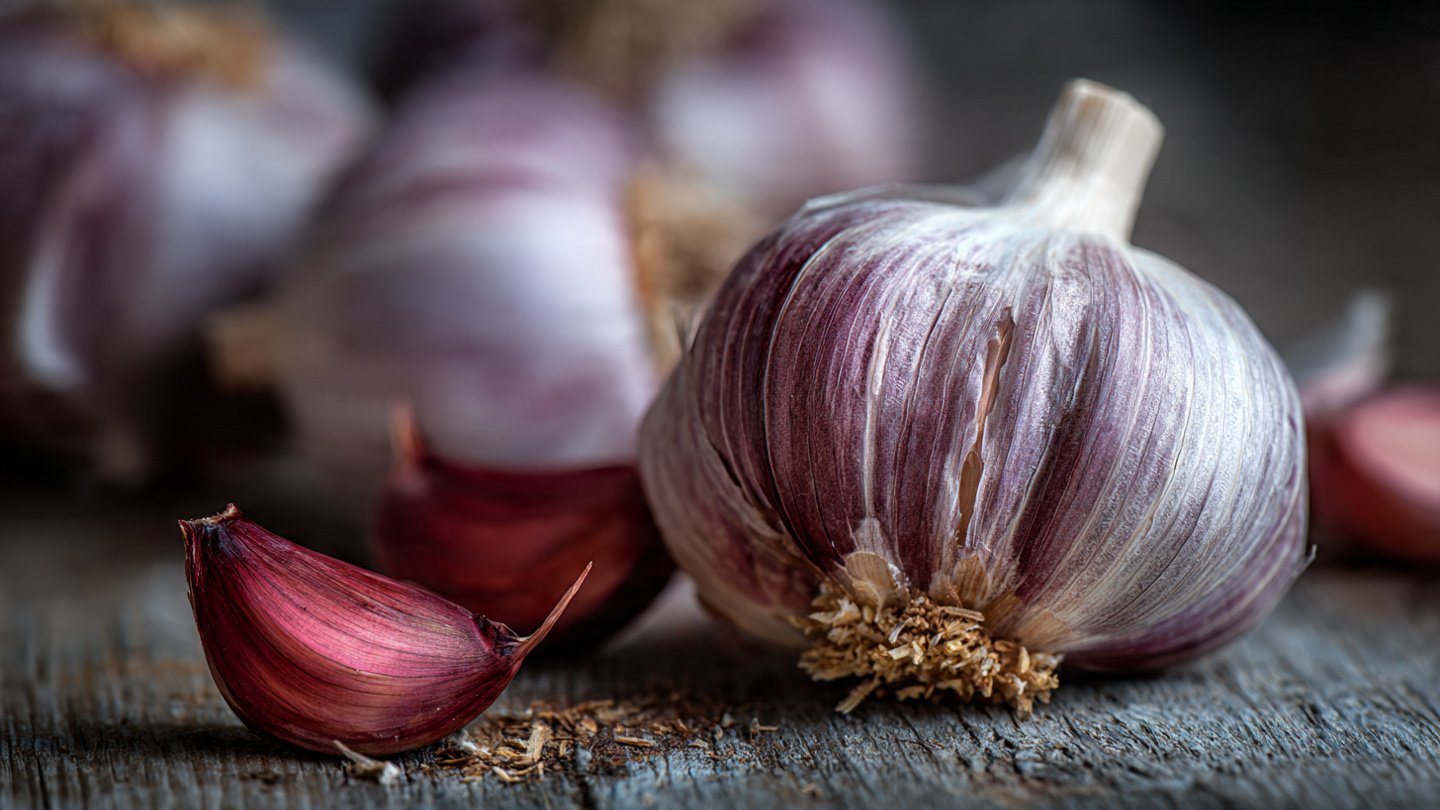
Garlic, known for its culinary and medicinal properties, is a staple in kitchens worldwide. However, not all garlic is created equal—some varieties are significantly more potent than others, offering enhanced health benefits. This guide will explore how to grow garlic that is ten times more potent, touching on factors like soil preparation, choosing the right variety, planting techniques, and care considerations.
Choosing the Right Variety
The first step in growing potent garlic is selecting the right variety. Certain types of garlic have higher concentrations of allicin, the compound responsible for garlic’s health benefits. Here are a few potent varieties to consider:
- Hardneck Garlic: This variety has a stronger flavor and higher allicin content. Varieties like ‘Purple Stripe’ and ‘Porcelain’ are excellent choices.
- Elephant Garlic: While technically a leek, elephant garlic has a milder flavor but can produce a larger bulb. It’s worth considering for those who enjoy a less pungent garlic.
- Softneck Garlic: ‘Silverskin’ and ‘Artichoke’ types are also viable options, but make sure to choose organic or heirloom seeds for optimal potency.
Soil Preparation
Garlic thrives in well-drained soil rich in organic matter. Here’s how to prepare your soil for planting:
- Choose a Suitable Location: Garlic prefers full sunlight, so select a spot that receives at least 6-8 hours of sunlight daily.
- Test the Soil pH: Garlic grows best in slightly acidic to neutral soil, with a pH between 6.0 and 7.0. Use a pH testing kit to check your soil’s acidity.
- Amend the Soil: Incorporate organic compost or well-rotted manure to enhance nutrient content. Adding bone meal can also boost phosphorus levels, vital for bulb development.
- Ensure Good Drainage: If your soil holds water, consider adding sand or creating raised beds to improve drainage.
Planting Techniques
Once your soil is prepared, it’s time to plant your garlic. Follow these steps for successful planting:
- Separate the Cloves: Just before planting, break apart the garlic bulbs into individual cloves. Choose the largest cloves for planting, as they yield larger bulbs.
- Plant with Care: Dig holes about 2 inches deep and 6 inches apart. Place each clove upright (with the pointed end up) and cover them with soil.
- Add Mulch: Apply a 2-4 inch layer of straw or shredded leaves to help retain moisture and suppress weeds.
Watering and Fertilizing
Proper hydration and nutrient balance are crucial for maximizing garlic potency.
- Watering: Garlic needs consistent moisture, especially during the growing stage. Water your plants deeply once a week, reducing frequency as the bulbs mature.
- Fertilizing: Approximately 4-6 weeks after planting, apply a nitrogen-rich fertilizer to support foliage growth. Switch to a phosphorus and potassium-based fertilizer closer to harvest time to promote bulb size.
Pest and Disease Management
Garlic is relatively resilient but can fall prey to certain pests and diseases. Here’s how to manage potential threats:
- Common Pests: Watch out for aphids, thrips, and onion maggots. Use organic pesticides or introduce beneficial insects like ladybugs.
- Disease Prevention: Practice crop rotation and avoid planting garlic in the same spot for consecutive years to minimize disease risk.
- Mildew Control: Ensure good airflow and avoid overhead watering to prevent powdery mildew.
Harvesting Garlic
Timing your garlic harvest properly is essential for maximum potency. Follow these tips:
- Signs of Maturity: Approximately 8-10 months after planting, when the lower leaves begin to yellow, it’s time to harvest.
- Hand Harvesting: Use a garden fork to gently lift the bulbs from the ground. Be cautious not to damage them.
- Curing: Hang the harvested garlic in a dark, cool, and dry area for 2-3 weeks to cure. This process helps enhance flavor and storage capability.
Storing Garlic
Proper storage is key to preserving the potency of your garlic. Here’s how to do it:
- Cool and Dark Space: Store your cured garlic in a cool, dark, and well-ventilated area. Avoid damp conditions to prevent mold.
- Use Mesh Bags: Hang garlic in mesh bags, allowing for air circulation to keep the bulbs dry.
- Avoid Refrigeration: While garlic can be kept in the fridge, it may sprout or lose flavor. Opt for countertop storage instead.
Conclusion
Growing garlic that is ten times more potent is achievable with careful attention to variety selection, soil preparation, planting techniques, and ongoing care. By providing optimal growing conditions, regular maintenance, and proper harvesting and storing methods, you can enjoy flavorful and health-boosting garlic right from your garden. Whether you’re using it in your cooking or for its health benefits, the effort you put into growing your garlic will certainly pay off!
FAQs
1. How long does it take for garlic to grow?
Garlic typically takes about 8-10 months to mature, depending on the variety and growing conditions.
2. Can I grow garlic in containers?
Yes, garlic can be successfully grown in containers, but ensure the pots are deep enough to accommodate the bulb’s growth, ideally 10-12 inches deep.
3. What is the best time to plant garlic?
The best time to plant garlic is in the fall, about 6-8 weeks before the ground freezes. This allows it to establish roots before winter.
4. Should I soak garlic cloves before planting?
Soaking garlic cloves in a solution of water and baking soda can help prevent disease, but it’s not required for all growers.
5. How can I tell if my garlic is ready to harvest?
Your garlic is ready for harvest when the lower leaves start to yellow and die back, typically in mid to late summer.