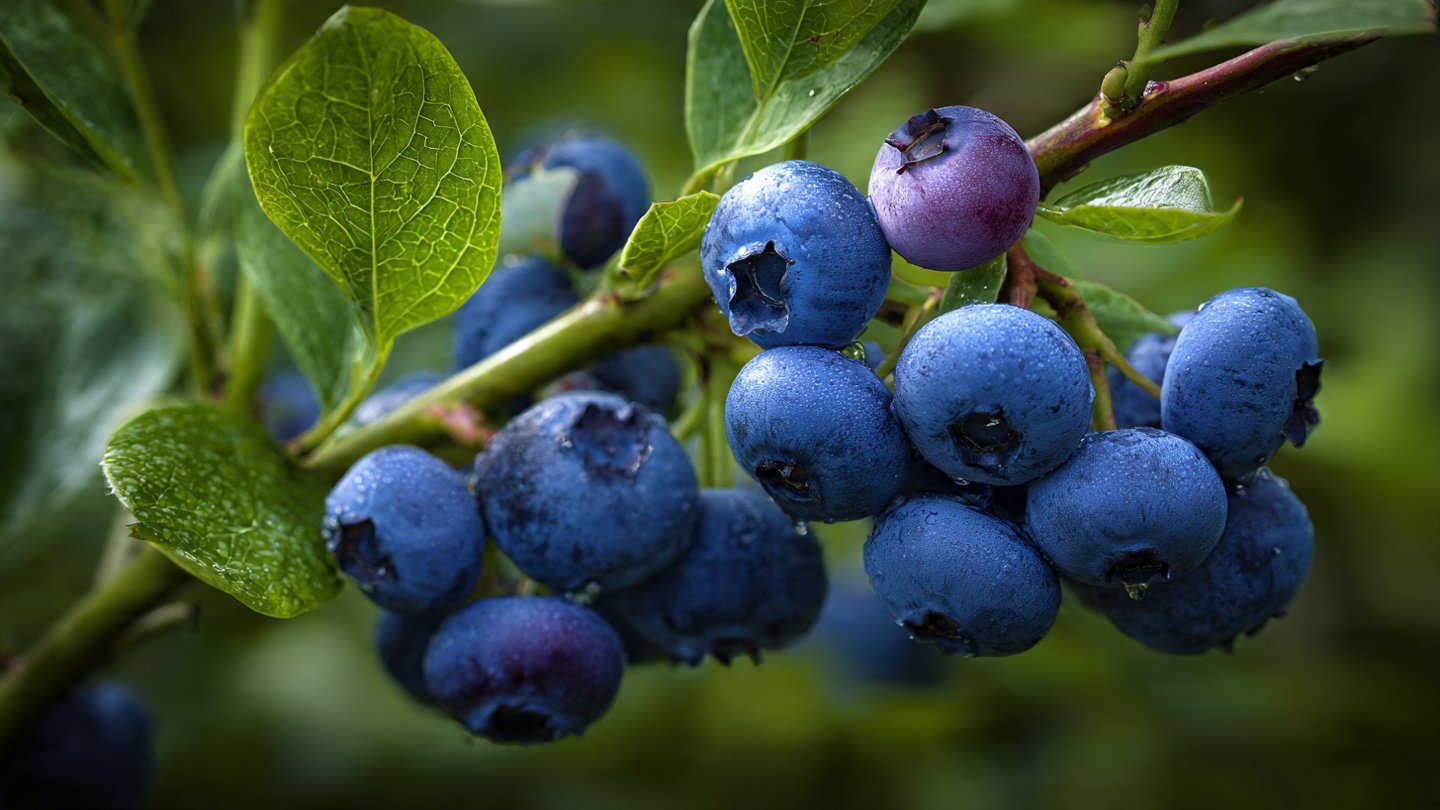
Growing blueberries has become increasingly popular, especially as they are recognized for their health benefits and adaptability. However, one of the biggest challenges for successful blueberry cultivation is soil pH. Blueberries thrive in acidic soils, typically with a pH range of 4.5 to 5.5. When grown in alkaline conditions, blueberries can struggle, leading to stunted growth and poor fruit production. Luckily, sulfur can be a game-changer in unlocking the secrets to cultivating thriving blueberries even in alkaline soil. This article explores the role of sulfur in soil management and how it can benefit blueberry plants.
Understanding Soil pH and Alkaline Conditions
Soil pH is a measure of the acidity or alkalinity of the soil. With a pH level of 7 considered neutral, values below 7 indicate acidity and values above 7 indicate alkalinity. Alkaline soils (with pH values above 7) can occur naturally in many regions or can be a result of historical land use practices.
In alkaline soils, essential nutrients become less available to plants, and certain minerals can become toxic. For instance, high levels of calcium and magnesium can lead to nutrient imbalances, which are detrimental to blueberry plants. Blueberries have specific nutritional requirements that make them less tolerant of alkaline soils, often leading to yellowing leaves, poor fruit set, and diminished yields.
Why Sulfur?
Sulfur is an essential nutrient for plants and plays several critical roles in their development. It is a key component of some amino acids, vitamins, and enzymes. Sulfur contributes to the plant’s ability to promote healthy growth, enhance disease resistance, and improve overall yield.
When sulfur is applied to alkaline soils, it can help to lower the pH level, making the soil more acidic. This adjustment allows blueberries to access the essential nutrients they require for healthy growth.
The Mechanism of Action
The action of sulfur in soil pH management involves a chemical process known as oxidation. When elemental sulfur is added to the soil, it is converted through microbial activity into sulfuric acid. This acid then reacts with the soil, decreasing the pH level. The reduced pH enhances the solubility of essential nutrients like iron, manganese, and zinc, which are typically less available in alkaline conditions, thus allowing blueberries to thrive.
Moreover, the increase in soil acidity reduces the availability of harmful ions such as bicarbonate, which can inhibit nutrient uptake. The presence of sulfur in the soil not only helps create a more favorable environment for blueberry plants but also improves soil structure and microbial activity, enhancing overall soil health.
Application of Sulfur
The application of sulfur to lower soil pH can be done in several ways:
- Granular Sulfur: This is often the most straightforward method. Granular sulfur is spread over the soil surface and then tilled into the top layer of soil.
- Elemental Sulfur: Similar to granular sulfur, elemental sulfur is an effective amendment for lowering pH, but it may take longer to show effects because of the microbial oxidation process.
- Ferrous Sulfate: This is a quick-acting option that can not only lower pH but also provide a source of iron, which can be beneficial in alkaline soils.
When applying sulfur, it’s essential to conduct a soil test to determine the current pH level and amendments needed. Generally, a safe rule of thumb is to apply around 1 to 2 pounds of elemental sulfur per 100 square feet for every unit decrease in soil pH desired.
Cultural Practices to Support Blueberry Growth
In addition to sulfur application, several cultural practices can support the successful cultivation of blueberries in alkaline soils:
- Mulching: Organic mulches such as pine needles or wood chips can help maintain soil acidity while suppressing weed growth and retaining moisture.
- Watering Practices: Acidic fertilizers or naturally acidic water sources (like rainwater) can further help maintain a lowered pH environment.
- Selection of Varieties: Choosing specific blueberry varieties known for better adaptability to slightly alkaline conditions can aid in overall success.
Conclusion
In conclusion, the role of sulfur in unlocking the potential of blueberries in alkaline soils cannot be overstated. By chemically reducing soil pH and enhancing the availability of essential nutrients, sulfur acts as a catalyst for healthy blueberry growth and abundant fruiting. Combined with good cultural practices and proper management, growers can successfully cultivate blueberries even in challenging alkaline conditions.
FAQs
1. How often should I apply sulfur to maintain optimal pH for blueberries?
After your initial application, it’s advisable to re-test the soil every couple of years. Based on the results, you can adjust your sulfur application accordingly to maintain the desired pH level.
2. Can I use sulfur if my soil pH is only slightly alkaline?
Yes! If your soil pH is slightly above the optimal range for blueberries (around 6.0 to 7.0), sulfur can still help lower it to an ideal range of 4.5 to 5.5.
3. Will applying sulfur harm other plants in the vicinity?
When utilized responsibly and in moderation, sulfur will typically not harm other plants. However, it’s crucial to monitor pH levels regularly and consider the needs of all plants in the garden.
4. What are the signs that my blueberries need sulfur?
Signs include yellowing leaves, poor growth, and a lack of fruit set. Conducting a soil test is the best way to confirm if sulfur is needed.
5. Are there alternatives to sulfur for acidifying soil?
Yes, alternatives include organic amendments like peat moss, composted pine bark, and organic fertilizers high in ammonium.