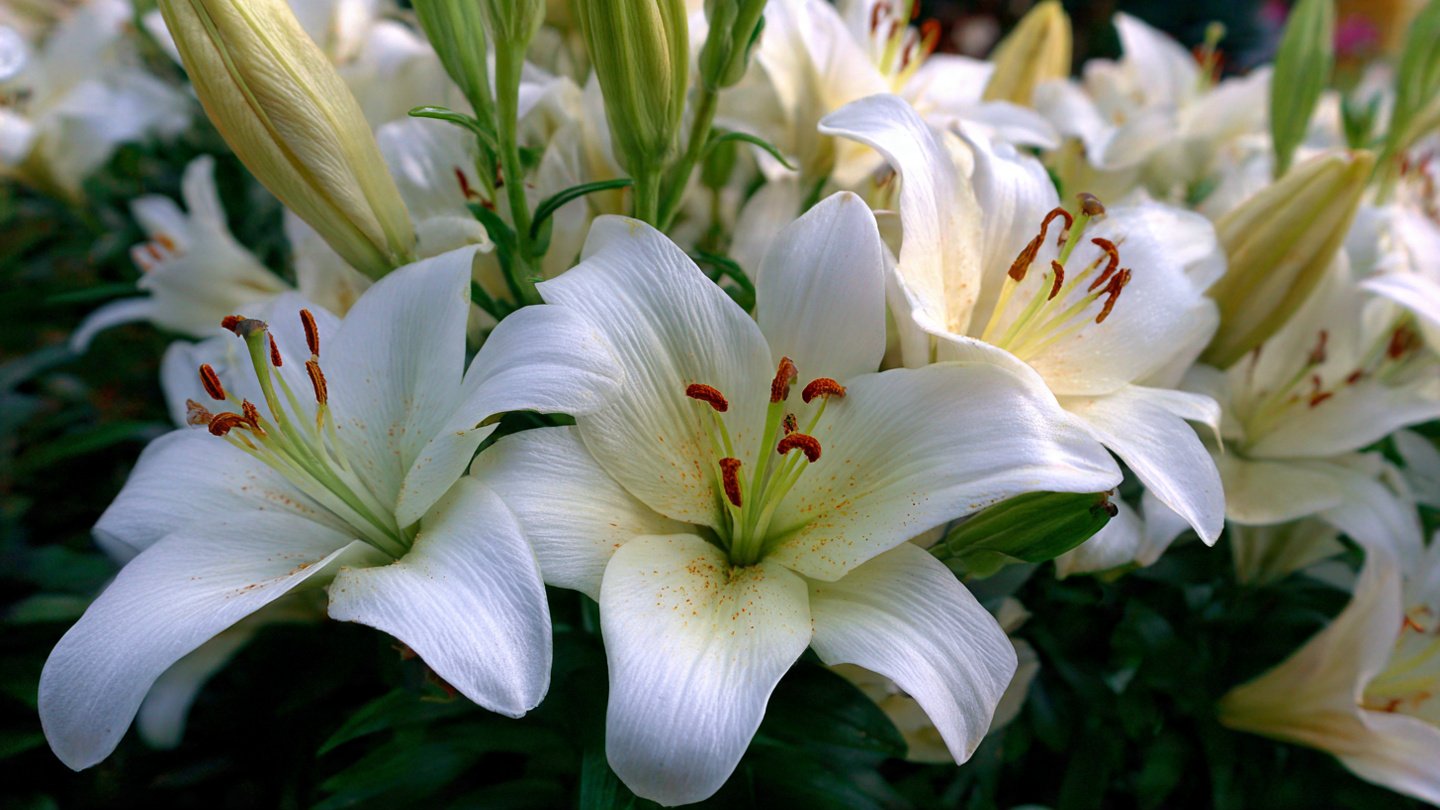
Fragrant flowers have a special charm, and lilies are among the most beloved blooms in gardens worldwide. A unique variety, known as the vanilla lily, captivates not just with its beauty but also with its intoxicating aroma reminiscent of pure vanilla. This article offers a comprehensive guide on how to cultivate these delightful blooms in your garden.
Understanding Vanilla Scented Lilies
Vanilla-scented lilies typically refer to varieties of Lilium that have been selected for their sweet, vanilla-like fragrance. The scent is not only pleasant but can also evoke nostalgia and warmth, making them popular in gardens and floral arrangements.
Choosing the Right Variety
Before growing vanilla-scented lilies, it’s crucial to select the right variety. Here are some popular types:
- Lilium candidum – Also known as the Madonna lily, it features large white flowers with a subtle vanilla scent.
- Lilium auratum – The golden-banded lily possesses a sweet fragrance that is often described as vanilla-like.
- Lilium ‘Casa Blanca’ – This popular hybrid is renowned for its large, elegant blooms and sweet scent.
Preparing the Site
Choosing the right location is vital for the successful growth of lilies. Here are some tips for site preparation:
- Sunlight: Lilies thrive in full to partial sun. Aim for at least 6 hours of direct sunlight each day.
- Soil: They prefer well-draining soil rich in organic matter. Consider adding compost to enhance soil fertility.
- Drainage: Ensure the planting area has good drainage to prevent bulb rot. Raised beds can be beneficial in areas with heavy soil.
Planting Instructions
Once you’ve selected your lilies and prepared the site, it’s time to plant:
- Timing: Plant your bulbs in early spring or fall, depending on your climate. They require chilling periods to bloom optimally.
- Depth: Dig holes about 6 to 8 inches deep. Place the bulbs upright with the pointed end facing up.
- Spacing: Space bulbs about 12 to 18 inches apart to allow for mature growth.
- Watering: Water the area thoroughly after planting, ensuring the soil is moist but not soggy.
Care and Maintenance
Once your lilies are planted, maintaining them is essential for a vibrant display:
- Watering: Regular watering is key, especially during dry spells. Aim to keep the soil consistently moist during their growing season.
- Mulching: Apply a layer of mulch to retain moisture and suppress weeds.
- Fertilizing: Use a balanced fertilizer every few weeks during the growing season to promote healthy blooms.
- Pruning: Remove spent flowers to encourage further blooming and prevent the plant from using energy on seed production.
Pest and Disease Management
Like all plants, lilies can encounter pests and diseases. Here are some common problems and their solutions:
- Red lily beetles: Handpick these pests if found on your plants, or use insecticidal soap as needed.
- Botrytis blight: Ensure good air circulation around plants and remove infected leaves promptly.
Harvesting and Arranging Lilies
As your lilies start to bloom, you may wish to cut some for indoor arrangements:
- Timing: Cut lilies in the early morning when they are fully opened.
- Container Preparation: Place cut stems in water immediately and ensure the container is clean.
- Longevity: Add floral preservative to keep your arrangement fresh for longer.
Conclusion
Growing lilies that emit the scent of pure vanilla can be a rewarding endeavor, both for their stunning appearance and their fragrant allure. By following the guidelines outlined in this article, you will be equipped to cultivate these enchanting flowers successfully. Whether used in garden beds, borders, or as cut flowers, vanilla-scented lilies can elevate any space with their beauty and aroma.
FAQs
1. How long does it take for lilies to bloom?
Typically, lilies will bloom 6 to 8 weeks after planting, depending on the variety and growing conditions.
2. Can I grow vanilla-scented lilies in pots?
Yes! Choose a pot that is at least 12 inches deep and use well-draining soil. Ensure the pot has adequate drainage holes.
3. Are vanilla-scented lilies deer-resistant?
Generally, lilies are not favored by deer, making them a good choice for gardens that may attract wildlife.
4. What should I do if my lilies do not bloom?
Ensure they are receiving enough sunlight, water, and nutrients. Sometimes, lilies need a few growing seasons to establish before they bloom profusely.