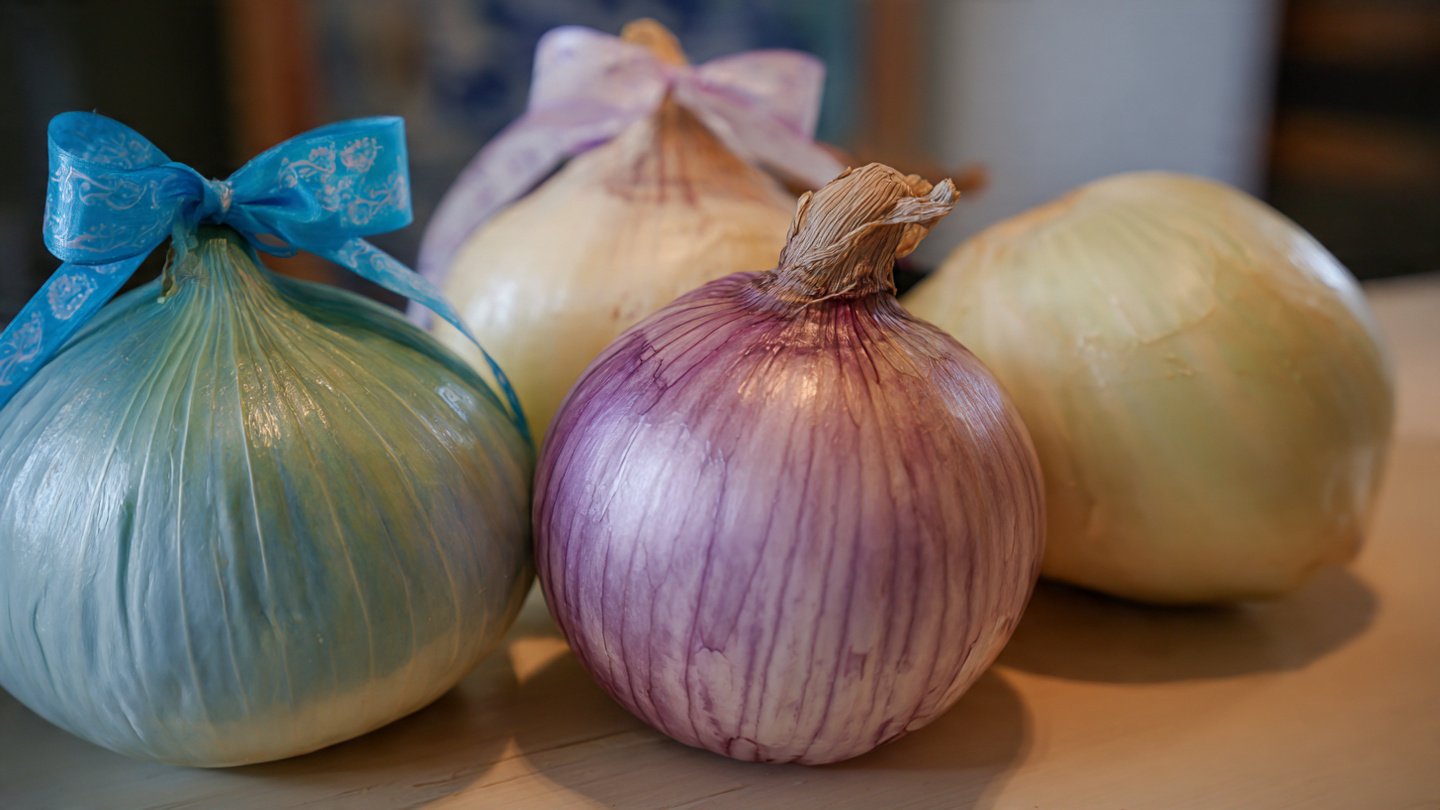
Growing giant onions is a rewarding experience that can turn into a competitive endeavor, especially if you’re aspiring to win blue ribbons at county fairs and garden shows. The thrill of growing a colossal onion goes beyond mere bragging rights; it signifies dedication, patience, and an understanding of plant needs. In this article, we will explore the methods to grow these impressive bulbs—from soil preparation to harvesting and care.
Preparing the Soil
The foundation of any successful onion-growing venture begins with the right soil. Giant onions thrive in rich, well-draining soil that is high in organic matter. Here are steps to prepare your soil:
- Select a Location: Choose a sunny spot in your garden that receives at least six to eight hours of sunlight daily.
- Test the Soil: Conduct a soil test to assess pH levels. Onions prefer a pH between 6.0 and 7.0.
- Amend the Soil: Incorporate compost, well-rotted manure, or other organic fertilizers to enhance nutrient content.
- Tillage: Till the soil to a depth of at least 12 inches to ensure aeration and drainage.
Choosing the Right Seeds
The type of onions you choose to grow is critical for achieving size and quality. Here are some considerations:
- Variety: Opt for onion varieties known for their size, such as ‘Super Sweet 1015’, ‘Ailsa Craig’, or ‘Walla Walla’. These are recognized for their growth potential and flavor.
- Seeds vs. Sets: For the best results, start from seeds rather than onion sets. Seeds allow for better control over growth conditions.
- Sourcing: Purchase seeds from a reputable supplier who specializes in giant onions.
Starting Your Seeds
Once the soil is prepared and you have selected your seeds, it’s time to start planting:
- Sow Indoors: Start seeds indoors about 10-12 weeks before the last expected frost date. Use seed trays with quality seed-starting mix.
- Temperature: Keep the seeds at a warm temperature around 70°F (21°C) until they germinate.
- Light: Once seedlings emerge, provide fluorescent lights or place them in a sunny window for at least 12 hours a day.
Transplanting
Transplanting seedlings is a critical step in their journey to becoming giant onions:
- Harden Off: Gradually acclimate your seedlings to outdoor conditions over the course of a week before transplanting.
- Spacing: When transplanting, space the seedlings about 12-18 inches apart in rows that are at least 24 inches apart.
- Watering: Water thoroughly after transplanting to ensure they settle into their new environment.
Watering and Nutrient Management
Giant onions require consistent moisture, but over-watering can be detrimental:
- Watering Requirements: Onions require about 1 inch of water per week, so check moisture levels regularly. Deep watering is better than frequent shallow watering.
- Fertilizer: Use a balanced fertilizer (10-10-10) to provide essential nutrients. Apply every 4-6 weeks during the growing season.
Pest and Disease Control
Preventing pests and diseases is essential for healthy giant onion growth:
- Regular Inspection: Frequently check the plants for signs of pests such as onion maggots, aphids, or thrips.
- Organic Pesticides: If pests are detected, consider using insecticidal soap or neem oil.
- Disease Management: Rotate crops each year to prevent diseases like downy mildew or onion rot. Ensure proper air circulation to reduce humidity.
Harvesting Your Onions
Timing can make or break your giant onion production:
- Signs of Maturity: Onions are typically ready for harvest when the tops begin to fall over and the foliage turns yellow.
- Harvest Method: Carefully lift the bulbs from the ground using a garden fork, taking care not to bruise them.
- Drying: After harvesting, let the onions dry in a cool, shaded area for a few days before storing them.
Conclusion
Growing giant onions that can win blue ribbons is a journey that involves meticulous planning, dedication, and ongoing care. From selecting the right soil and seeds to managing water and nutrients, each step has its own importance. Whether you are a novice gardener or a seasoned pro, following these guidelines can help you cultivate onions that reach impressive sizes, showcasing your skills at competitions and fairs.
Remember, growing giant onions is both an art and a science. With patience and practice, you can achieve the sensational results that come with this rewarding gardening challenge.
FAQs
1. What size onions qualify for blue ribbon competitions?
Each competition may have different size requirements, but typically, onions over 2 pounds are considered competitive.
2. How can I increase my onion’s flavor while growing for size?
Ensure you provide balanced nutrients and water adequately while avoiding high nitrogen levels, which may lead to larger but less flavorful onions.
3. Should I use chemical fertilizers or organic options?
Organic fertilizers are generally recommended for a sustainable approach and can improve the flavor of your onions while maintaining soil health.
4. How do I know if my onions are overwatered?
Signs include yellowing leaves, bulb rot, and a soft texture. Adjust your watering schedule accordingly to maintain healthy onions.
5. Can giant onions be grown in containers?
Yes, giant onions can be grown in containers, but ensure they are large enough (at least 5 gallons) to accommodate proper root growth.