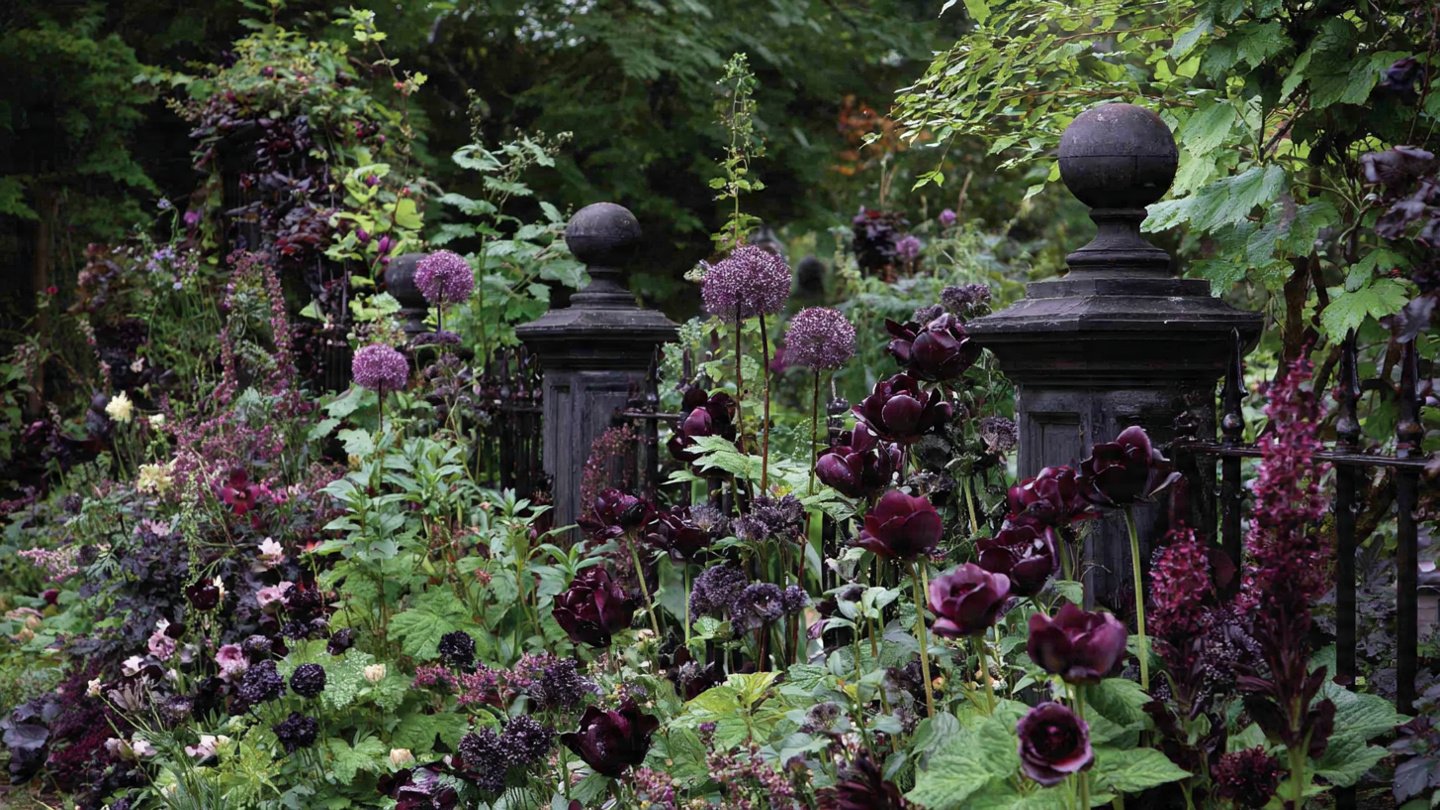
Gardening can evoke emotions, transport us to different times and places, and even reflect our personal style. If you’re drawn to the mysterious allure of gothic aesthetics, creating a gothic garden might just be the perfect project for you. Featuring deep purple and black flowers, this garden can serve as an enchanting escape, blending beauty with the hauntingly macabre. In this article, we will explore how to design, plant, and curate your gothic garden, ensuring it becomes a mesmerizing sanctuary.
Understanding the Gothic Aesthetic
The gothic style is characterized by dramatic contrasts, intricate details, and a sense of dark beauty. This can take inspiration from literature, archetypal architecture, and nature itself. A gothic garden should capture these elements, embodying a mysterious and romantic vibe. Think about how you can introduce layers of texture and depth to create an eerie yet beautiful atmosphere.
Choosing the Right Location
Before laying down the first seeds, it’s essential to choose the right location for your gothic garden. Consider the following:
- Light Requirements: Most flowering plants need full sun, though some prefer partial shade. Choose a spot that receives the appropriate amount of light for your selected plants.
- Soil Quality: Test your soil for pH and nutrients. Gothic flowers often thrive in rich, well-drained soil.
- Visibility: Place your garden in a spot that is both accessible and visible, allowing for enjoyment and maintenance.
Selecting Deep Purple and Black Flowers
The heart of your gothic garden lies in the flowers you choose. Here are some stunning deep purple and black flowering plants to consider:
- Black Calla Lily (Zantedeschia): Known for its elegant, trumpet-shaped blooms, the black calla lily exudes sophistication and mystery.
- Deep Purple Peonies (Paeonia): These lush flowers bring a romantic touch to your garden, with their fullness and rich color.
- Black Velvet Petunias (Petunia): These annuals add a velvety texture and provide a long blooming period, perfect for seasonal impact.
- Purple Hellebore (Helleborus): Often blooming in late winter, these hardy plants offer early-season interest and charm.
- Dark Blue Iris (Iris germanica): Tall and regal, these bearded irises provide a vertical element to the landscape.
- Black Nightshade (Solanum nigrum): This bold plant has striking black fruits, adding a unique flair to your garden.
Incorporating Other Elements
A gothic garden is not just about flowers. To enhance the gothic atmosphere, consider adding other elements:
- Dark Foliage Plants: Incorporate plants with deep burgundy, black, or purple leaves like ‘Black Magic’ taro or ‘Chocolate’ coral bells (Heuchera).
- Architectural Features: Consider adding trellises or arbors draped with dark flowers or vines like climbing hydrangea or black-eyed Susan vines.
- Artistic Elements: Statues, wrought iron gates, or vintage furniture can lend age and intrigue to your garden. Look for pieces that evoke feelings of mystery or romance.
- Pathways: Dark, winding paths made of bricks or stones can create a sense of discovery as one moves through the garden.
Planting and Arranging Your Gothic Garden
Once you have selected your location and plants, it’s time to start planting. Here’s how to approach planting and arranging:
- Layering: Plant taller flowers at the back of the garden and shorter ones at the front. This will create depth and visual interest.
- Grouping: Group plants in odd numbers for a more natural look. This promotes a sense of ensemble and highlights individual varieties.
- Consider Seasons: Include flowers that bloom at different times of the year to maintain color and depth throughout the seasons.
Caring for Your Gothic Garden
Caring for your gothic garden involves regular maintenance, ensuring your flowers thrive and the overall look is polished. Here are some essential care tips:
- Watering: Ensure plants receive adequate water, especially during dry spells. Early morning is the best time to water to prevent evaporation.
- Fertilizing: Use a balanced fertilizer to provide essential nutrients. Follow the specific guidelines for each plant type.
- Weeding: Regularly remove weeds that compete for nutrients and moisture, detracting from the gothic aesthetic.
- Pruning: Cut back dead or failing flowers to promote new growth and a tidy appearance.
Seasonal Changes and Decorations
To keep your gothic garden lively and engaging, consider changing seasonal decorations. In autumn, add pumpkins and gourds, while in winter, consider dark-hued seasonal ornaments. Spring and summer can be adorned with candles, lanterns, or mysterious sculptures.
Putting It All Together
A gothic garden is more than just a collection of plants; it’s a harmonious blending of colors, textures, and artistry that evokes deep emotions. By meticulously choosing deep purple and black flowers, incorporating intriguing elements, and maintaining proper care, you can create a charming sanctuary ready to captivate visitors and invite endless appreciation.
Conclusion
Creating a gothic garden featuring deep purple and black flowers allows you to cultivate a space that reflects your unique aesthetic. It is a combination of nature, artistry, and personal expression. From plant selection to garden design, each element plays a role in crafting an enchanting atmosphere. With consistent care and creativity, your gothic garden can bloom into a sanctuary reminiscent of timeless beauty and intrigue.
FAQs
1. What flowers bloom well in a gothic garden?
Flowers such as black calla lilies, deep purple peonies, black velvet petunias, and purple hellebores are perfect choices for a gothic garden.
2. Can I create a gothic garden in a small space?
Absolutely! You can create a gothic aesthetic in small areas using container gardening and choosing plants that grow vertically.
3. How often should I water my gothic garden?
Water needs vary by plant type, but generally, water your garden early in the morning to keep the soil moist without encouraging fungal diseases.
4. What are some good gothic garden decorations?
Consider using lanterns, wrought iron sculptures, and dark-colored furniture to enhance the gothic atmosphere of your garden.
5. Is it possible to maintain a gothic garden throughout the year?
Yes! Choose plants that bloom in different seasons and use seasonal decor to keep the garden vibrant and engaging year-round.