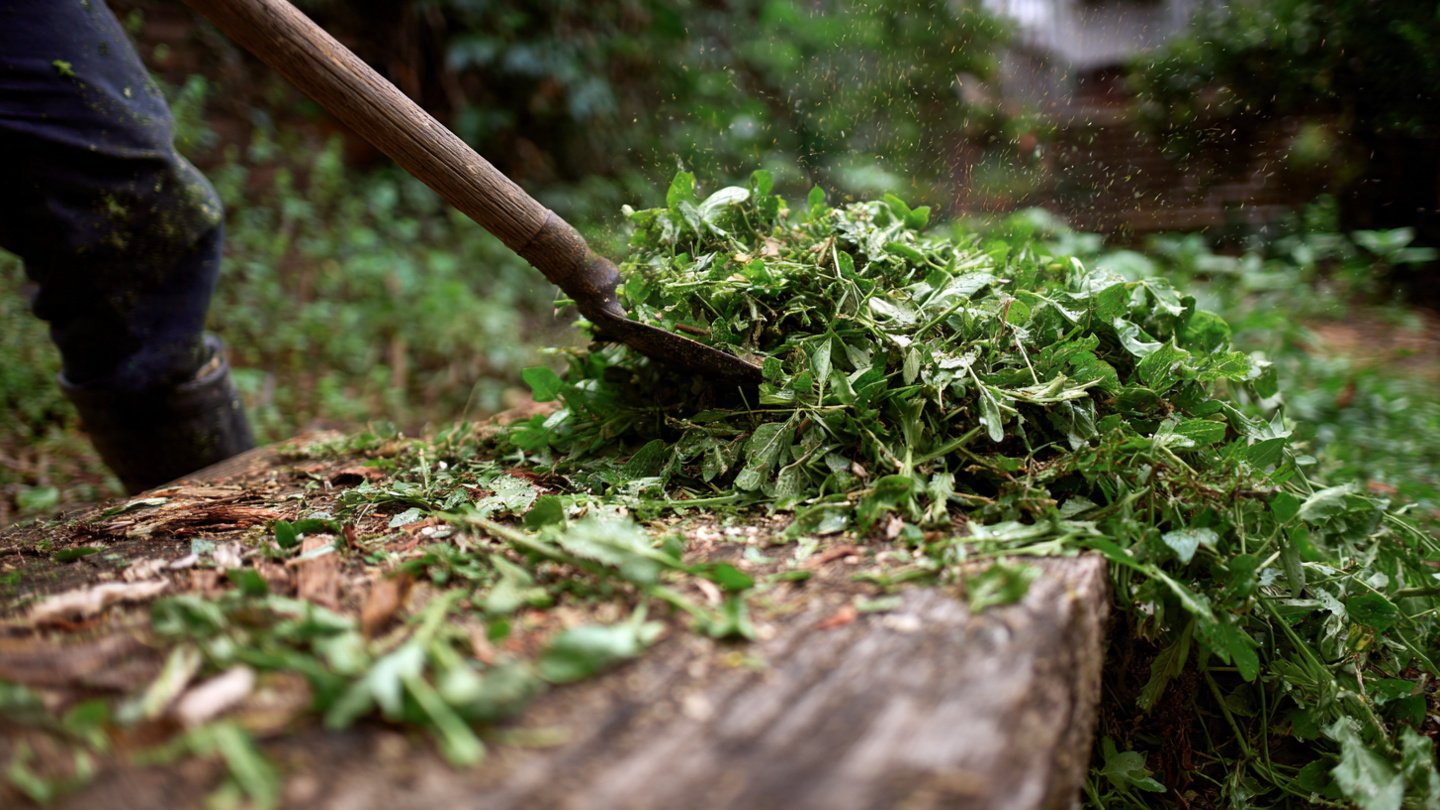
Weeds can be the bane of any gardener’s existence. They not only compete with your desired plants for nutrients, water, and sunlight but can also harbor pests and diseases. While there are numerous commercial herbicides available, many gardeners are becoming more aware of the benefits of using natural solutions. One such solution that often flies under the radar is vinegar. This common household product has properties that make it a powerful ally in the fight against weeds.
The Science Behind Vinegar
Vinegar is primarily composed of acetic acid, usually around 5-20% in household varieties. This acetic acid is what makes vinegar effective as a weed killer. When applied to plants, it works by drawing moisture out of the leaves, causing the plant to weaken and die. It’s particularly effective on annual weeds and some perennials, though tougher, established plants may require multiple applications.
Why Choose Vinegar Over Chemical Herbicides?
There are several compelling reasons to choose vinegar as your go-to weed killer:
- Eco-Friendly: Vinegar is a natural product and is much safer for the environment compared to synthetic herbicides.
- Safe for Pets and Children: Unlike chemical alternatives, vinegar poses minimal risk to pets and kids playing in the garden.
- Cost-Effective: Most households already have vinegar or can purchase it inexpensively, making it a budget-friendly solution.
- Easy to Use: Vinegar can be applied directly or diluted with water, making it easy to incorporate into your gardening routine.
How to Use Vinegar for Weeds
Using vinegar to combat weeds is straightforward. Here’s a step-by-step guide to using this simple solution effectively:
1. Choose Your Vinegar
While household vinegar (5% acetic acid) can be effective, you might consider using a stronger vinegar, like gardening vinegar, which can have up to 20% acetic acid for tougher weeds. However, always handle stronger vinegar with care as it can be more caustic.
2. Timing Is Key
For optimal results, apply vinegar on a warm, sunny day. The heat will help enhance the effectiveness of the acetic acid, allowing it to penetrate the weed’s foliage more effectively.
3. Apply Directly to Weeds
Fill a spray bottle with vinegar and spray it directly onto the leaves of the weeds you want to eliminate. Be sure to avoid spraying it on your desired plants, as vinegar does not discriminate and can harm them as well.
4. Repeat as Necessary
Heavier weeds may need multiple applications, so keep an eye on them. You might need to reapply after a few days if they show signs of resilience.
Limitations of Using Vinegar
While vinegar is a powerful tool, it does have its limitations:
- Not Selective: Vinegar will kill any plant it comes in contact with, so apply with caution around your garden plants.
- Not as Effective on Deep-Rooted Weeds: Perennial weeds with extensive root systems may require more aggressive treatment or a combination of methods.
- Temporary Solution: Vinegar may kill the visible part of the weed, but it doesn’t always address the roots. Some weeds may bounce back if the roots remain intact.
Combining Techniques for Best Results
For gardeners looking for long-term success, consider combining vinegar with other methods of weed control:
- Mulching: Apply a thick layer of mulch to prevent light from reaching weed seeds, helping to suppress their growth.
- Hand Weeding: For particularly stubborn weeds, pull them out by hand to address the root system directly.
- Boiling Water: Pouring boiling water on weeds can also be effective and can be used in conjunction with vinegar treatments.
Vinegar Recipe for Weeds
For enhanced weed-killing power, you can make a vinegar weed killer that includes dish soap. The soap acts as a wetting agent, helping the vinegar adhere to the leaves better:
Ingredients:
- 1 gallon of vinegar (preferably 10-20% acetic acid)
- 1 tablespoon of dish soap
Instructions:
- Mix the vinegar and dish soap in a spray bottle.
- Shake well to combine.
- Apply directly to the leaves of the weeds, avoiding desirable plants.
This mixture can be particularly effective against young weeds!
Conclusion
Vinegar serves as an excellent eco-friendly alternative for combating weeds in your garden. It’s inexpensive, safe, and effective when used correctly. While it does have some limitations, combining vinegar with other techniques can lead to a thriving, weed-free garden. So the next time you’re looking for a natural way to deal with those pesky intruders, reach for that bottle of vinegar!
FAQs
1. Is vinegar safe to use around pets?
Yes, vinegar is generally safe for pets, but it’s best to keep them away from the area during application until it dries completely.
2. Can vinegar kill all types of weeds?
Vinegar is most effective on annual weeds and some perennials. Established deep-rooted weeds may require other methods.
3. How often should I apply vinegar to weeds?
Reapply as needed, especially after a few days if the weeds show signs of regrowth.
4. Will vinegar harm my other plants?
Yes, vinegar is non-selective and can harm desirable plants if they are sprayed directly, so take care during application.
5. What type of vinegar works best for weeds?
Household vinegar can work, but vinegar with a higher acetic acid content (10-20%) will provide stronger results.