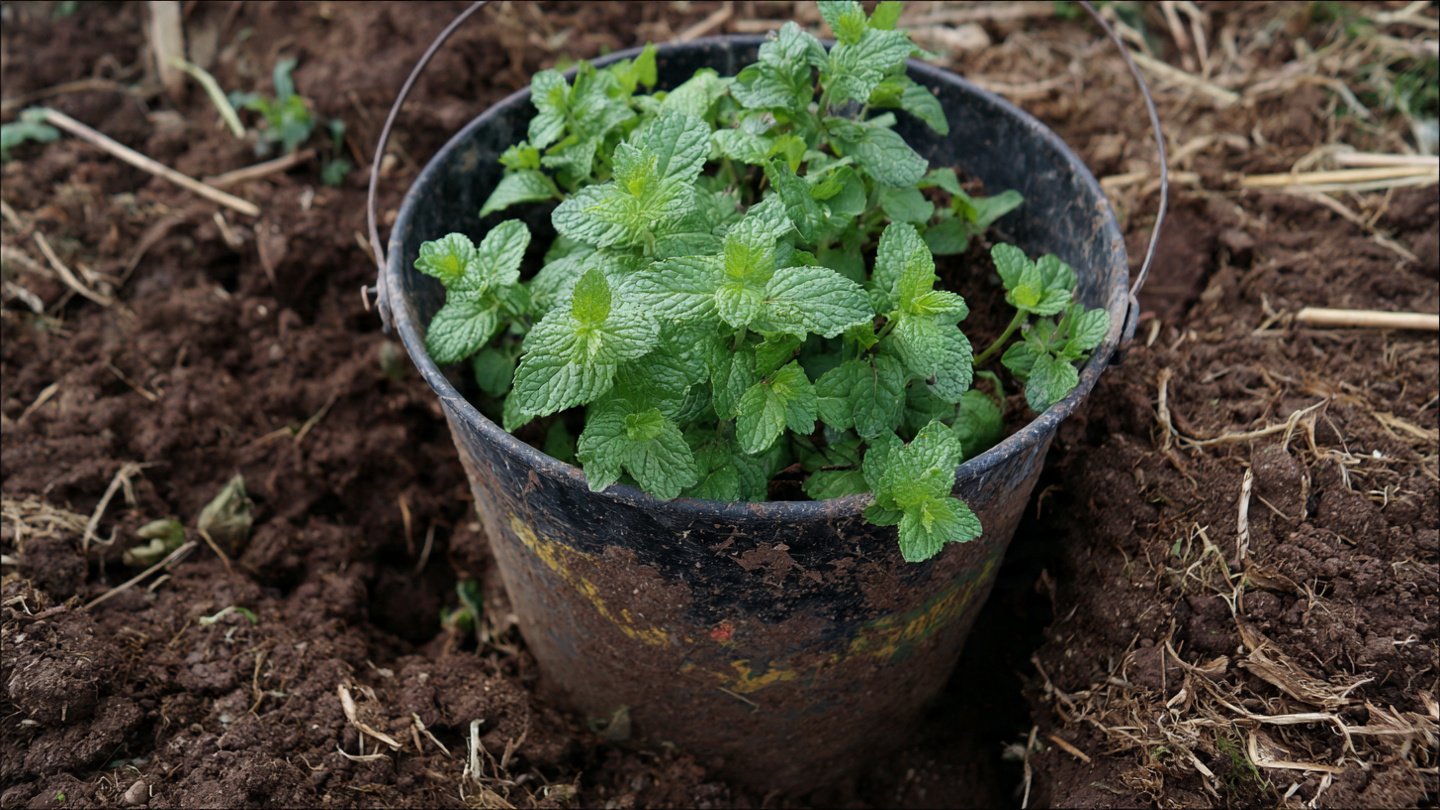
Mint is a beloved herb, appreciated not only for its delightful aroma and flavor but also for its myriad culinary and medicinal uses. However, mint is notorious for its aggressive growth habits, which can lead to chaos in the garden if not managed properly. Planting mint in a buried bucket, rather than directly in the soil, can be a highly effective technique to control its growth while still reaping its many benefits.
The Nature of Mint
Before delving into the benefits of using a buried bucket for mint cultivation, it’s essential to understand the nature of mint itself. Mint belongs to the Mentha genus and includes several species. It’s known for:
- Rapid growth and spread through underground rhizomes.
- Potential to outcompete other garden plants if left unchecked.
- The ability to thrive in various soil conditions, making it a favorite among gardeners.
Why Planting Mint in a Buried Bucket is Better
Planting mint in a buried bucket offers several advantages compared to planting it directly into the soil. Here are some compelling reasons:
1. Controlling Growth
Mint can quickly become invasive. When planted directly in the soil, it spreads through rhizomes, which can take over the garden and choke out other plants. A buried bucket contains its roots, limiting its spread. This allows gardeners to control its size and prevent it from becoming a nuisance.
2. Easy Harvesting
With mint contained in a bucket, harvesting becomes a straightforward task. Rather than searching through a tangle of foliage in the garden, you can easily access the plant’s leaves. This is especially useful for those wanting to regularly cut mint for culinary purposes without damaging surrounding plants.
3. Improved Drainage
Proper drainage is crucial for healthy plant growth. A buried bucket allows for optimal drainage compared to compacted soil. Mint prefers moist soil but can suffer in overly wet conditions. The bucket can provide a more controlled moisture level, reducing the risk of root rot.
4. Preventing Weeds
Competing weeds can hinder the growth of mint. By planting in a bucket, you reduce the likelihood of nearby weeds encroaching on the mint’s growing space, allowing it to thrive. This not only enhances the plant’s growth but also lessens the amount of weeding you need to do.
5. Easy to Move
If you find your mint isn’t thriving in one spot, a buried bucket allows for easier relocation. You can simply dig it up and place it in a new location without disturbing the plant too much. This flexibility can be invaluable for gardeners seeking the optimal environment for their plants.
6. Soil Quality Management
Mint is adaptable to various soil types; however, its growth can be significantly affected by soil quality. Mixing the right nutrients and soil types in a bucket can optimize your mint’s growing conditions. You can create a tailored soil environment without the need to amend vast areas of garden soil.
Steps to Plant Mint in a Buried Bucket
If you’re convinced of the merits of this method, here’s how to plant mint in a buried bucket:
- Choose the Right Bucket: Select a bucket with drainage holes. This is crucial to prevent waterlogging.
- Prepare the Bucket: Fill the bucket with a well-draining potting mix, ideally rich in organic matter.
- Plant the Mint: Place your mint plant or cuttings into the bucket. Water it well to establish the roots.
- Choose a Location: Dig a hole in your garden that’s deep enough to bury the bucket, leaving the top rim exposed for easy access.
- Bury the Bucket: Place the bucket in the hole and ensure it sits level with the ground surface.
- Water and Maintain: Regularly water the plant, making sure it doesn’t dry out. Harvest leaves as needed.
Conclusion
Planting mint in a buried bucket is an innovative solution to the challenges posed by this vigorous herb’s growth. This method effectively controls its spread, improves drainage, enhances ease of harvesting, and helps manage soil quality. By adopting this approach, gardeners can enjoy the fresh, fragrant leaves of mint without the hassle of invasive growth and constant maintenance. Furthermore, with simple planting techniques, anyone can cultivate this delightful herb, making it a practical choice for both new and experienced gardeners.
FAQs
1. Can I use any type of bucket for planting mint?
While you can use any bucket, it’s best to choose one made of food-safe materials. Ensure it has drainage holes to prevent waterlogging.
2. How deep should I bury the bucket?
The bucket should be buried deep enough to be level with the ground but ensure the top rim is exposed for easy access to the plant.
3. Will mint survive winter if planted in a buried bucket?
Mint is a hardy plant and can survive in cooler climates, but in very harsh winters, consider insulating the bucket with mulch or moving it indoors if necessary.
4. How often should I water the mint?
Mint likes moist soil but not soggy conditions. Water when the top inch of soil feels dry. Generally, this may mean watering every few days, depending on the climate.
5. Can I grow different types of mint in one bucket?
It’s best to grow one type of mint per bucket to prevent cross-pollination and maintain flavor profiles. Mixing mint varieties can lead to unpredictable flavors.