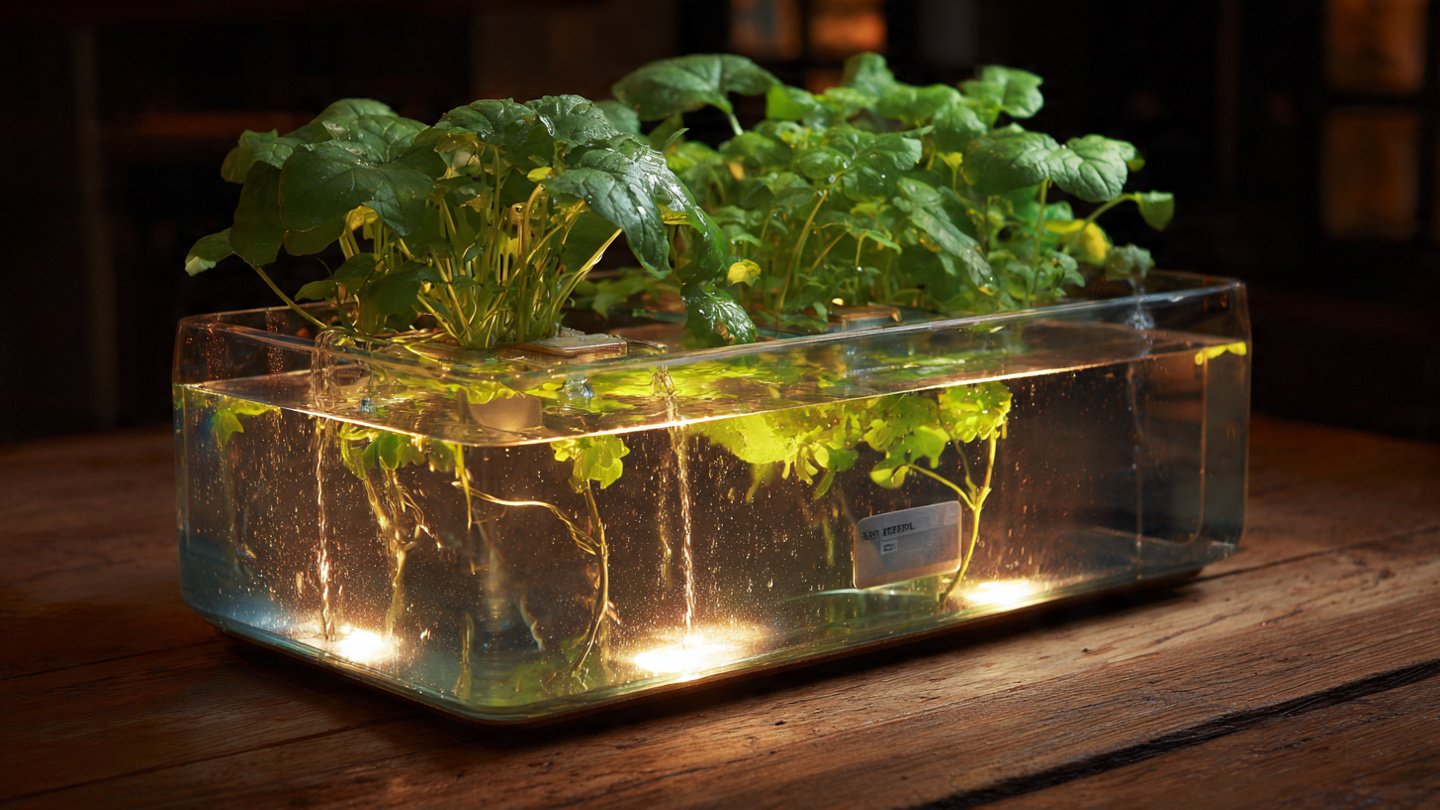
In recent years, self-watering planters have gained immense popularity among gardening enthusiasts and novices alike. These innovative gardening solutions promise a stress-free and efficient way of nurturing plants, offering a more sustainable approach to indoor and outdoor gardening. But what exactly is drawing so many people to this technology? Let’s explore the reasons behind the fascination with self-watering planters, delving into their benefits, design features, and the broader implications for gardening culture.
The Basics of Self-Watering Planters
Before diving into why people are fascinated with this technology, it’s essential to understand what self-watering planters are. These planters come equipped with a reservoir that holds water, which is then absorbed by the soil through capillary action. The design is usually built with two compartments: one for the soil and the plants, and another for water. This mechanism ensures that plants receive a consistent supply of moisture, helping to prevent overwatering or underwatering, which can be detrimental to plant health.
1. Convenience and Ease of Use
One of the primary reasons people are drawn to self-watering planters is the convenience they offer. Traditional gardening methods often involve meticulous watering schedules, which can be time-consuming and labor-intensive. Self-watering planters significantly reduce these efforts by allowing plants to absorb water as needed. This is particularly appealing to people with busy lifestyles, as they can simply fill the reservoir and let the planters do the work.
Moreover, the technology is easy to understand and use. Most self-watering planters come with clear instructions and require minimal setup. This user-friendly approach makes gardening more accessible to beginners who may be intimidated by traditional planting methods.
2. Ideal for Beginners
For novice gardeners, self-watering planters are a game-changer. Many new gardeners struggle to understand the watering needs of different types of plants, leading to frustration and potential plant loss. Self-watering planters alleviate this stress, offering a built-in solution for maintaining proper moisture levels. As a result, beginners can focus more on enjoying the gardening experience rather than worrying about the survival of their plants.
Additionally, the ability to easily monitor water levels in these planters instills confidence in new gardeners. Many self-watering planters come with indicators that show how much water is left in the reservoir, providing an easy way to gauge plant needs.
3. Water Conservation and Sustainability
In an age where environmental concerns have taken center stage, self-watering planters align perfectly with sustainable gardening practices. The technology promotes water conservation by minimizing waste. Traditional gardening can lead to overwatering and runoff, while self-watering planters utilize water efficiently. This not only conserves water but also reduces the need for chemical fertilizers that can leach into groundwater.
Many self-watering planters are designed with recycled materials, which appeals to eco-conscious consumers. By choosing these products, individuals feel they are making a positive environmental choice. This growing awareness of sustainability in gardening is fostering a community that values responsible practices.
4. Enhanced Plant Growth and Health
Gardening is not just about aesthetics; it’s about plant health and growth. Self-watering planters can lead to more successful plant growth due to their ability to provide consistent moisture levels. Most plants thrive in environments where their roots can access water consistently without the extremes of drought or flooding. With self-watering technology, plants can tap into a steady supply of moisture, promoting robust root development and overall plant health.
Additionally, these planters often have built-in aeration systems that allow for improved drainage and airflow to the roots. This reduction in overwatering risk, combined with optimal aeration, creates an ideal environment for thriving plants. Many people report seeing improved growth rates and healthier foliage after switching to self-watering planters.
5. Aesthetic Appeal and Variety
The design of self-watering planters has come a long way, and manufacturers have embraced aesthetics alongside functionality. Today’s self-watering planters are available in various styles, colors, and materials, appealing to different tastes and home decor. From sleek modern designs to rustic earth-toned options, there’s a self-watering planter to fit almost any aesthetic.
This aesthetic appeal makes self-watering planters attractive not only for gardens but also for indoor settings. They can easily blend into home environments, serving as stylish decor pieces while providing essential plant care. As more individuals decorate their homes with plants, self-watering planters provide a practical solution that doesn’t compromise style.
6. Emotional Benefits of Gardening
Gardening offers numerous mental health benefits, including reduced stress and anxiety. The act of nurturing plants can be therapeutic; however, traditional gardening methods may come with stressors such as time management, plant care, and watering schedules. Self-watering planters minimize these stressors, allowing individuals to reap the emotional rewards of gardening without the associated pressures.
Moreover, the successful growth of plants fosters a sense of accomplishment that can enhance mood and emotional well-being. For many, the joy of seeing plants thrive in self-watering planters leads to a deeper engagement with gardening, transforming it into a fulfilling hobby rather than a chore.
7. Adaptability for Various Environments
Self-watering planters are versatile and can be used in various environments, making them appealing to a broader audience. Whether in a large outdoor garden, a small balcony, or within a home, these planters adapt well to their surroundings. They can support a variety of plants, from herbs and vegetables to ornamental flowers, enabling diverse gardening experiences.
This adaptability is particularly enticing for urban dwellers with limited gardening space. Self-watering planters provide an opportunity for urban gardening, where individuals can grow their own herbs and vegetables or beautify their living spaces with minimal effort.
8. Innovation in Gardening Technology
The rise of smart gardening technology has further fueled fascination with self-watering planters. Many modern versions now incorporate technology that allows users to monitor moisture levels through mobile apps or built-in sensors. These advancements provide users with data-driven insights into their plants’ needs, appealing to tech-savvy individuals who are enthusiastic about integrating technology into their gardening practices.
The connection between technology and gardening not only makes the experience more engaging but also addresses the need for efficient plant care in today’s fast-paced world. As technology continues to advance, the possibilities for self-watering planters will likely grow, attracting even more enthusiasts to innovative gardening solutions.
9. Community and Connection
Social media has played a significant role in the popularity of self-watering planters. Gardening communities on platforms like Instagram and Pinterest showcase stunning plant arrangements and innovative planter designs. The visual nature of these platforms fosters an environment of sharing tips, tricks, and inspiration.
As more gardeners showcase their experiences with self-watering planters online, they inspire others to embark on their gardening journeys. This sense of community fosters connections among individuals with shared interests, reinforcing the appeal of this gardening technology.
10. Educational Opportunities
Self-watering planters also serve as excellent educational tools. They can be used in educational settings to teach children and adults about plant biology, ecology, and sustainable practices. Understanding how these planters work can spark interest in broader environmental issues and gardening techniques, promoting lifelong learning.
Educators can utilize self-watering planters to create engaging lesson plans that emphasize responsible gardening and environmental stewardship. As awareness of these practices begins at an early age, self-watering planters can play a pivotal role in cultivating a new generation of environmentally conscious individuals.
Conclusion
The fascination with self-watering planter technology is multifaceted, encompassing convenience, sustainability, aesthetic appeal, and emotional benefits. This innovative solution empowers both novice and experienced gardeners by simplifying plant care while promoting responsible gardening practices. As society continues to embrace sustainability and technology, self-watering planters are likely to grow in popularity, reshaping the future of gardening. Whether due to their ease of use, aesthetic versatility, or the promise of healthier plants, these innovative planters are securing a special place in the hearts of gardeners around the world.