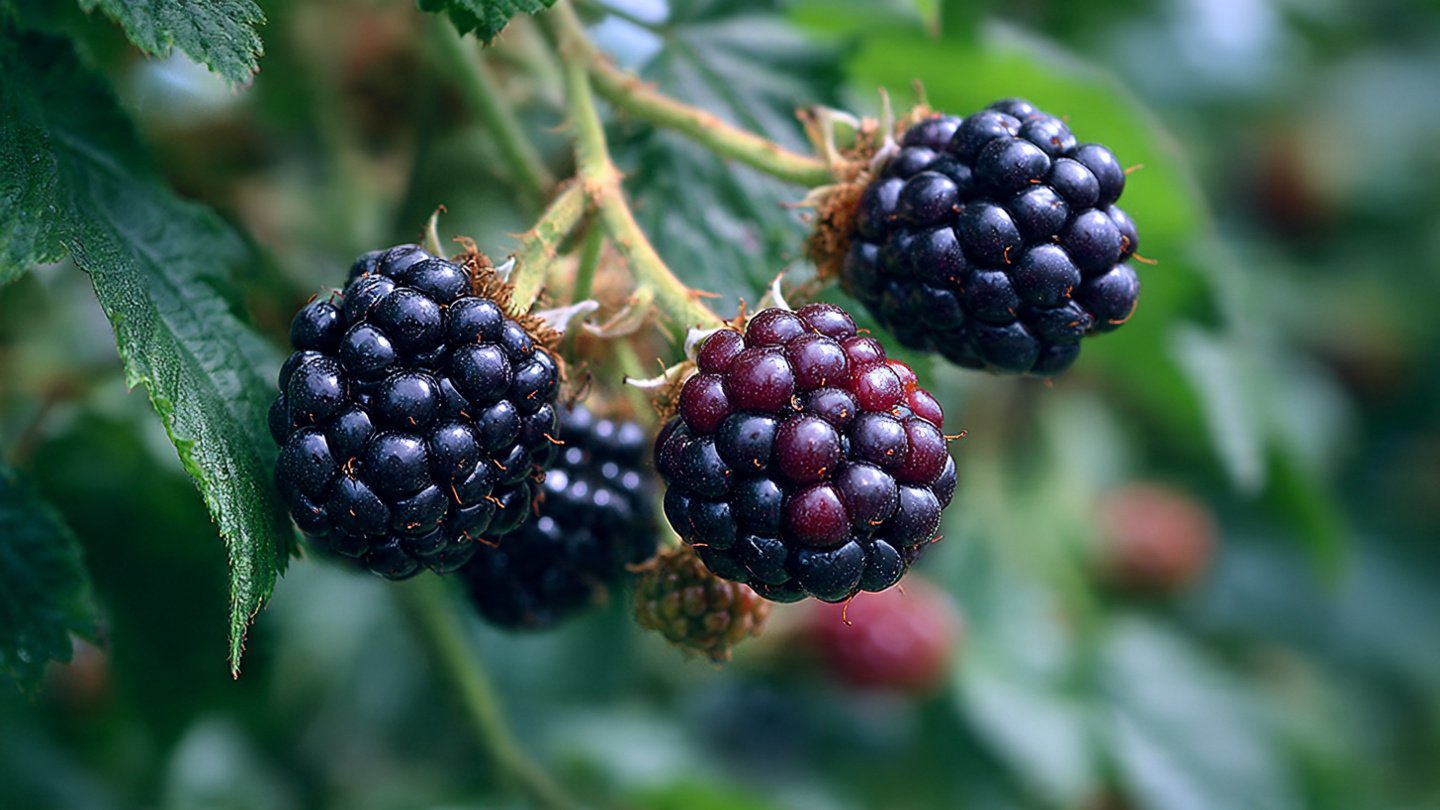
Imagine a world where you can cultivate blackberries without the constant worry of sharp thorns tearing at your hands and clothes. Thornless blackberries are an alluring innovation in the world of gardening that not only promise the delicious taste of fresh berries but also ensure a more pleasurable harvesting experience. In this article, we delve into the fascinating realm of thornless blackberries, their benefits, and effective ways to grow them effortlessly.
The Allure of Thornless Blackberries
Blackberries are beloved for their sweet flavor, versatility in dishes, and potential health benefits. However, traditional blackberry brambles can be formidable due to their thorny vines. Thornless varieties, like ‘Navaho’ and ‘Ouachita,’ have made it easier for home growers to enjoy the fruit without the hassle. Below are some compelling reasons to consider growing thornless blackberries:
- Easy Harvesting: With no thorns to manage, you can pick ripe blackberries without fear of injury.
- Less Maintenance: Thornless varieties often require less pruning, allowing for easier management.
- Space-Efficient: They can be grown in smaller areas or containers, making them ideal for urban gardening.
- Increased Yield: Many thornless varieties produce large, abundant fruits, providing a rewarding harvest.
Choosing the Right Thornless Blackberry Varieties
If you’re excited about growing thornless blackberries, the first step is to choose the right variety. Here are some popular options:
- Navaho: Known for its excellent flavor and high yield. This variety is also drought-tolerant.
- Ouachita: Produces large berries with a rich flavor; it is disease-resistant and ideal for home gardens.
- Chester: A vigorous grower with large blackberries and good disease resistance.
Conditions for Successful Growth
Growing thornless blackberries effortlessly involves understanding their basic needs. Here are essential factors to consider:
1. Sunlight
Blackberries thrive in full sunlight. Aim for at least 6-8 hours of direct sunlight each day to ensure strong growth and high yields.
2. Soil
These plants prefer well-drained, loamy soil with a pH between 5.5 and 6.5. Amending your soil with organic matter can enhance drainage and fertility.
3. Watering
Regular watering is crucial, especially during dry spells. Ensure the soil remains consistently moist but not waterlogged.
4. Support Structures
While thornless blackberries are easier to manage, providing a trellis or support system can improve air circulation and keep the fruit off the ground, minimizing pests and disease issues.
Effortless Planting Techniques
Planting thornless blackberries can be a straightforward process if done correctly. Here’s how to get started:
1. Selecting the Right Time
The best time to plant blackberries is in early spring, after the last frost, or in the fall. This timing allows the roots to establish before the temperature extremes.
2. Spacing
Space your blackberry plants about 3-4 feet apart to allow for growth and airflow. For rows, keep them at least 8-10 feet apart.
3. Planting
Dig a hole slightly larger than the root ball, place the plant in, and backfill the hole with soil. Water thoroughly after planting to eliminate air pockets.
Maintenance for Maximum Yield
Although thornless blackberries are low-maintenance, they still require some care. Here are important maintenance tips:
1. Pruning
Pruning is essential for good air circulation and fruit production. Trim back the canes after harvest, removing dead or weak stems to encourage new growth.
2. Fertilization
Applying a balanced fertilizer in early spring can boost growth. Follow by applying compost throughout the growing season for added nutrients.
3. Pest and Disease Control
Keep an eye out for pests like aphids and spider mites. Implement organic control methods, such as insecticidal soap or neem oil. Regularly inspect for signs of diseases like root rot and handle issues promptly.
The Rewards of Thornless Blackberry Gardening
Once you’ve established your thornless blackberry plants, the rewards are significant. Not only do you enjoy the delight of homegrown fruit, but you also gain a sense of accomplishment in nurturing a successful garden. Here are a few ways to enjoy your berry harvest:
- Fresh eating: Harvest berries and enjoy them straight from the plant.
- Baking: Incorporate berries into pies, tarts, and muffins for delightful treats.
- Preserving: Make jams, jellies, or freeze them for use in the off-season.
Conclusion
Growing thornless blackberries effortlessly is not just a dream—it’s a reality that offers numerous benefits for gardeners of all levels. With the right varieties, essential care practices, and a willingness to learn, you can transform your garden into a fruitful haven filled with delicious, thornless blackberries. Take the leap into blackberry gardening, and relish the bountiful rewards that come with it!
FAQs
1. Are thornless blackberries as nutritious as regular blackberries?
Yes, thornless blackberries maintain the same nutritional profile as their thorned counterparts, being rich in vitamins, antioxidants, and fiber.
2. How long does it take for thornless blackberries to yield fruit?
Typically, thornless blackberry plants may bear fruit within 1-2 years after planting, depending on the variety and growing conditions.
3. Can thornless blackberries be grown in containers?
Absolutely! Thornless blackberries can thrive in containers as long as they have enough space for root growth, adequate drainage, and receive sufficient sunlight.
4. Do thornless blackberries require a lot of water?
While they do need consistent moisture, overwatering can lead to root rot. Aim for regular, deep watering, especially during dry spells.
5. What are the best companion plants for thornless blackberries?
Companion plants that can thrive alongside thornless blackberries include raspberries, strawberries, and various herbs, such as mint and basil.