Using pine cones at the bottom of large planters can be an innovative gardening technique that offers various benefits beyond aesthetics. This article delves into the why and how of using pine cones in planters, exploring their impact on soil health, drainage, and plant growth.
When selecting the right materials for large planters, gardeners often consider various substrates and fillers. Among these is the humble pine cone, which, while sometimes overlooked, can provide meaningful advantages. These natural structures are not only biodegradable but can also contribute positively to the gardening environment when employed correctly.
One of the primary benefits of using pine cones in large planters is enhanced drainage. Proper drainage is critical in preventing waterlogged soil, which can lead to root rot and other fungal diseases that threaten plant health. By placing pine cones at the bottom of a planter, gardeners create a loose barrier that allows excess water to escape, minimizing the risk of standing water. Pine cones, having a natural shape and size, create spaces within the soil that enable air and water to circulate more freely. This characteristic ensures that plant roots remain well-aerated and less prone to conditions that could jeopardize their growth.
In addition to drainage, pine cones serve as a form of thermal insulation. Planters frequently experience temperature fluctuations, which can stress plant roots. The organic nature of pine cones helps to moderate soil temperatures, maintaining a more stable environment for the roots. During hot weather, pine cones can help cool the soil, while in colder seasons, they provide a buffer against extreme temperature drops. This thermal modulation is especially beneficial for young plants or delicate species that might be more vulnerable to environmental stresses.
Moreover, as pine cones decompose over time, they contribute organic matter to the soil. This slow breakdown process enriches the soil with nutrients, ultimately benefiting the plants growing within the planter. Unlike synthetic fertilizers that can lead to nutrient imbalances, the nutrients released by decomposing pine cones are released gradually, making them less likely to cause harm to the plants. This slow release is especially useful for long-term planting arrangements, allowing the soil to maintain a steady supply of nutrients.
Pine cones also offer structural benefits to the soil medium. Their rigid, fibrous nature helps to hold soil particles together, reducing erosion and promoting a healthier root system. This structural integrity can be vital in larger planters, where the weight of soil may otherwise compress over time, leading to reduced aeration and root growth. By integrating pine cones, gardeners effectively prevent soil compaction, ensuring that roots have ample room to spread and access essential nutrients.
Another aspect of using pine cones in planters is the potential for pest deterrence. Certain chemicals found in pine resin can act as natural repellents for some garden pests. While pine cones alone are not sufficient to eliminate pest problems completely, their presence may reduce the likelihood of infestations, particularly from species that prefer softer organic materials. However, it’s important to note that the effectiveness of pine cones as a pest deterrent can vary based on the specific environmental conditions and the plants involved.
In terms of aesthetics, pine cones introduce a rustic element to planters. They can add texture and visual interest, complementing the plant life within. Gardeners can arrange pine cones in various ways, either as a simple filler or as part of a more complex decorative scheme. This artistic aspect can enhance the overall beauty of a garden space, especially in larger planters where visual appeal is critical.
To maximize the benefits of pine cones in large planters, it is essential to prepare them correctly. Before placing them in the planter, it’s advisable to clean the pine cones to remove any debris, seeds, or potential pests that could interfere with plant growth. Soaking them in water is a common practice; it can help to remove dirt and increases their weight, allowing them to settle better at the bottom of the planter.
Placement is also key. It’s best to layer the pine cones rather than creating a solid mass. This maximizes air pockets, thus enhancing drainage capabilities. Following this layer, gardeners should add a good quality potting mix that balances moisture retention with drainage properties. The combination of pine cones and soil creates an ideal environment for a wide variety of plants, from succulents to more water-sensitive species.
Pine cones are also incredibly versatile. Depending on the type of plant being cultivated, gardeners can adjust how many pine cones they use. For drought-tolerant plants, more pine cones can be incorporated to increase drainage. For moisture-loving plants, a fewer number of pine cones may be used, while still benefiting from the other advantages they provide. This adaptability makes pine cones valuable in diverse gardening contexts.
As with any gardener’s technique, it’s essential to monitor the health of plants over time. Regular assessments can help determine whether it’s beneficial to maintain, increase, or decrease the amount of pine cone content in a planter. Factors such as plant type, local climate, and water availability should all be considered. If plants show signs of stress, adjustments should be made accordingly, whether that means altering watering habits or changing the pine cone ratio.
In summary, integrating pine cones into the bottom of large planters offers a multitude of advantages. From improved drainage and thermal regulation to the slow release of nutrients and potential pest deterrence, this natural filler serves various functions that support healthy plant growth. Additionally, the aesthetic appeal of pine cones adds charm to garden spaces, making them a valuable choice for both functional and visual enhancement.
Gardeners looking for sustainable practices can appreciate the biodegradability of pine cones, as they contribute to a more eco-friendly gardening approach. Moreover, using a natural product like pine cones reduces reliance on synthetic materials and fertilizers, promoting a more organic gardening philosophy.
As you consider methods to improve your planting techniques, incorporating pine cones may provide the solution you didn’t know you needed. Their benefits extend beyond functionality, contributing to a healthy and vibrant gardening ecosystem that fosters plant growth, resilience, and beauty. Embrace this simple yet effective technique, and enjoy the myriad improvements it brings to your large planters and the plants within them.
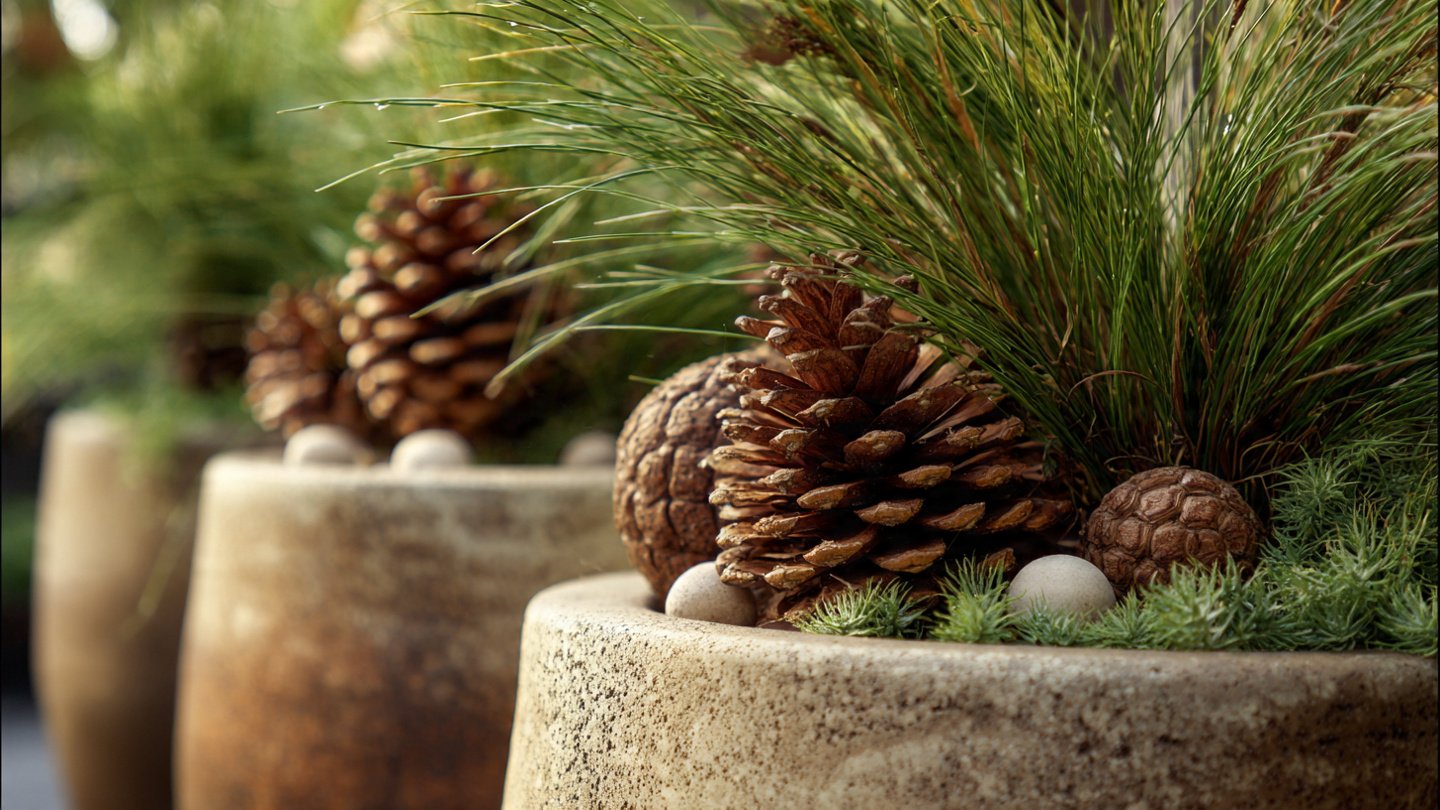
What Happens When You Use Pine Cones at the Bottom of Large Planters?
Yezdi Roadster 2026 Launched: Smooth Engine, Muscular Cruiser Design, Advanced Features
EPFO Pension New Rules 2026: Salary Limit Changed, Pension Will Increase
2026 Rolls-Royce Motorhome Redefining Ultra-Luxury Road Travel With Timeless Elegance
Motorola New Smartphone With 420MP Camera, 7700mAh Battery at ₹9,900
Motorola Razr 50 Ultra New 5G Foldable Smartphone With Attractive Design, 165Hz Display
Nokia 2660 Flip 4G Beautiful Design Flip Keypad Phone With 12MP Camera at Just ₹2,500
Motorola Unveiled Stunning Design Smartphone With 250MP Camera, 16GB RAM and 95W Superfast Charging
Vivo V50 Lite 5G Smartphone Launched With 3 Days Battery Backup, 6.77-Inch AMOLED Display at ₹19,000
Honor X9c Smartphone With 144Hz Display, 70W Charging and Circle Design Camera
Oppo Premium 5G Smartphone With 250MP Camera and 7800mAh Battery
Infinix 5G Smartphone Launched With 12GB RAM, 200MP Camera and Flagship-Level Design
Tata Nano EV 2026: Affordable Electric Car With 300km Range Starting at ₹3.5 Lakh in India
Day Will Turn Slowly to Night During the Longest Total Solar Eclipse of the Century Across Several Regions
Maruti Suzuki Grand Vitara 2026 With 2.8L Petrol Engine Delivers 37kmpl Mileage and Luxury Features
Galaxy S23 Ultra 5G With 108MP AI Camera and Fabulous Design
Yamaha XSR 155 2026 Launched With Smooth Engine, Neo-Retro Design and Advanced Features
Day Will Slowly Turn to Night as the Longest Total Solar Eclipse of the Century Creates a Rare and Spectacular Event
Known as the Black Gold of Agriculture, Chernozem Soil Helped Turn Ukraine, Russia and Kazakhstan Into Global Breadbaskets
Light Will Disappear for Minutes: Experts Warn an Extraordinary Solar Eclipse Is Approaching
Vivo Y21d Budget-Friendly Smartphone With 6000mAh Battery Launched
Triumph Scrambler 400 X 2026 Launched With Rugged Design, Torque-Rich Engine and Modern Features
Oppo A6 Pro Smartphone With 50MP Dual Camera and 256GB Storage
Tecno Pova Slim 5G Smartphone With 6.78-Inch 3D Curved Display at ₹17,000
New Maruti Brezza 2026 Stylish Compact SUV With 35 km/l Mileage, Luxury Features and Smart Tech
Age Pension Update 2026: $1,179 Increase Announced – Who Qualifies
Realme Narzo 90 Smartphone With Sleek Design and 7000mAh Battery
Vivo New Phone With 300MP Camera and 7600mAh Battery at ₹9,600
Poco M7 Plus 5G With Snapdragon Processor and 144Hz Display at Just ₹10,000
OnePlus Nord CE 5 5G Smartphone With 80W SuperVOOC Charging and 256GB Storage at ₹20,000
Redmi New 5G Phone Launched in India With 108MP Camera and Curved AMOLED Screen