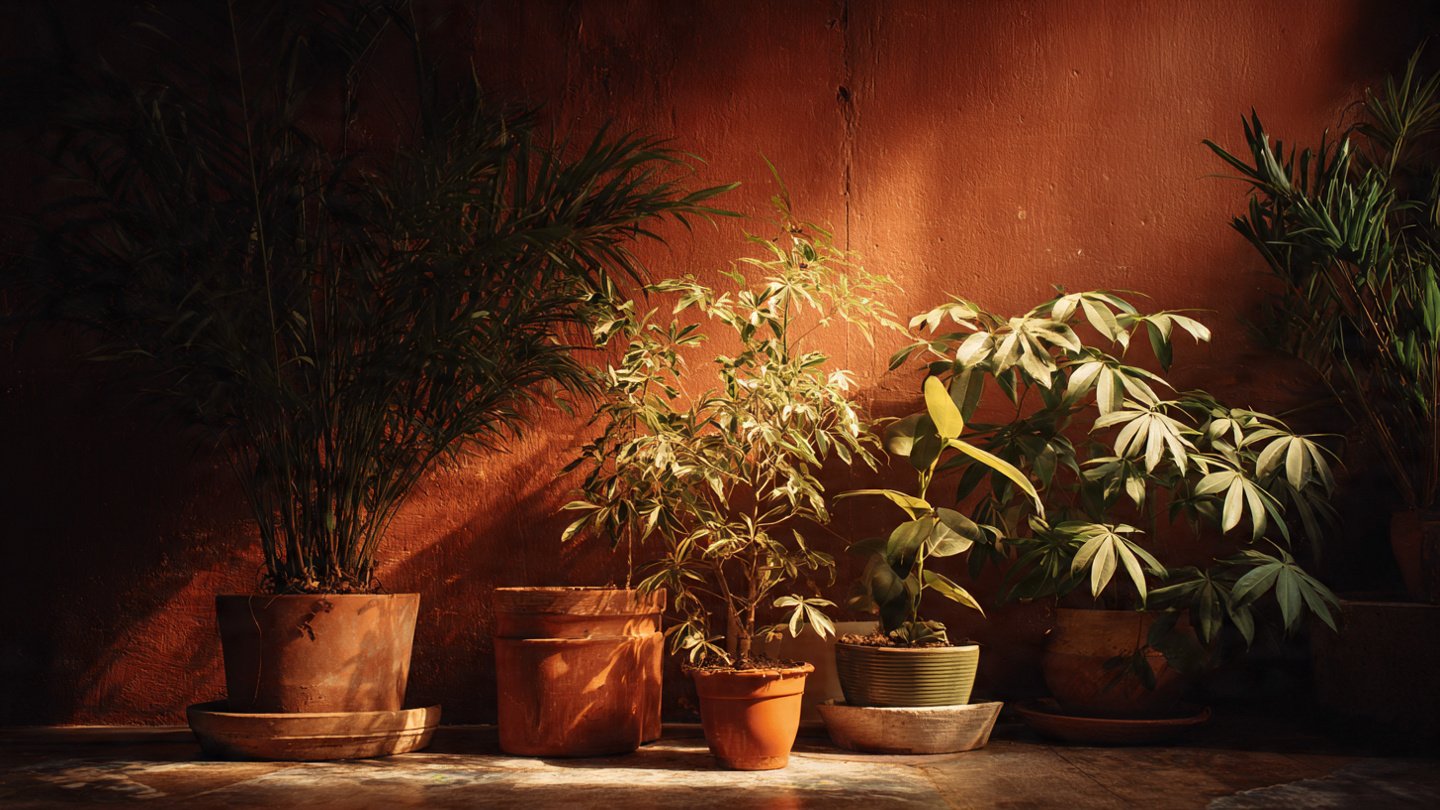
Indoor gardening has become increasingly popular in recent years, with many people turning their living spaces into green sanctuaries. While the benefits of indoor plants are well-publicized, such as improved air quality and enhanced mood, it is crucial to be mindful of the potential risks associated with certain types of plants. This article dives into the dangers of growing toxic plants indoors, highlighting species that pose health risks and providing insights on how to maintain a safe and enjoyable indoor gardening experience.
The Allure of Indoor Plants
Indoor plants not only beautify our spaces but also serve practical purposes. They can help reduce indoor pollutants, improve humidity levels, and even contribute to better mental well-being. However, not all plants are safe, and some can be toxic to pets and humans alike. This paradox can create a predicament for plant lovers who may unknowingly introduce hazardous flora into their homes.
Understanding Plant Toxicity
Plant toxicity often hinges on the presence of specific compounds that can cause harmful effects when ingested or when their sap or pollen comes into contact with skin. These toxins can trigger a wide range of symptoms, from mild irritation to severe health complications. Toxicity can vary by species, and certain plants are more dangerous than others.
Common Toxic Plants
Here’s a list of some common toxic plants that people often grow indoors:
- Philodendron: Known for its lush foliage, philodendron can cause mouth and throat irritation if ingested.
- Dieffenbachia (Dumb Cane): This popular houseplant can lead to swelling and difficulty speaking when its sap is consumed.
- Oleander: Extremely toxic to both humans and pets, oleander can cause heart problems, digestive issues, and even death.
- Peace Lily: Although beautiful, peace lilies contain calcium oxalate crystals that can cause severe irritation if ingested.
- Golden Pothos: This plant is beloved for its low maintenance, but it can cause throat swelling and stomach upset if ingested.
Identifying Symptoms of Poisoning
Being aware of the signs of poisoning is essential, especially if you have children or pets in your home. Common symptoms may include:
- Nausea and vomiting
- Diarrhea
- Skin irritation
- Difficulty breathing
- Swelling of the mouth or throat
If you suspect that someone has ingested a toxic plant, it is crucial to seek medical help immediately. The sooner the affected person receives treatment, the better the outcome.
Preventing Risks in Indoor Gardening
To create a safe indoor environment while indulging in your passion for plants, consider the following precautions:
1. Research Before You Buy
Before purchasing any new plant, ensure you research its toxicity levels, especially if you have children or pets. Many gardening websites and resources provide information on plant safety.
2. Keep Toxic Plants Out of Reach
If you decide to keep toxic plants, make sure they are placed in areas that are inaccessible to children and pets. Hanging pots or high shelves can be effective solutions.
3. Educate Family Members
Make sure everyone in your household is aware of which plants are toxic and the symptoms to watch for in case of exposure.
4. Opt for Non-Toxic Alternatives
Consider choosing non-toxic plants, so you can enjoy the benefits of indoor gardening without the associated risks. Some great options include spider plants, Boston ferns, and bamboo palms.
Conclusion
While indoor plants can enrich our living spaces and improve our well-being, it is vital to be cautious about the types of plants we choose to grow. Toxic plants can pose significant health risks, particularly to children and pets. Understanding plant toxicity, recognizing symptoms of poisoning, and implementing safety measures can help you enjoy your indoor gardening experience without compromising the safety of your home.
FAQs
Q1: Are all indoor plants toxic?
A: No, not all indoor plants are toxic. Many non-toxic varieties exist that are safe for pets and children. It’s always a good idea to research specific plants before introducing them into your home.
Q2: What should I do if my pet ingests a toxic plant?
A: If you suspect your pet has ingested a toxic plant, contact your veterinarian immediately. They will provide guidance on the necessary steps to take for your pet’s health and safety.
Q3: How can I tell if a plant is toxic?
A: Research is key. Look for reliable sources of information, such as botanical gardens, plant care guides, and trusted gardening websites. Many plants also come with labels indicating whether they are toxic or non-toxic.
Q4: Can I treat plant poisoning at home?
A: It is crucial to seek professional medical help if poisoning is suspected. Don’t attempt to treat plant poisoning at home unless explicitly advised by a healthcare professional.
Q5: Are there any plants that purify the air and are also non-toxic?
A: Yes, several plants can help purify the air and are non-toxic. Some popular options include spider plants, snake plants, and peace lilies. However, note that peace lilies are mildly toxic and should be kept out of reach of pets and children.