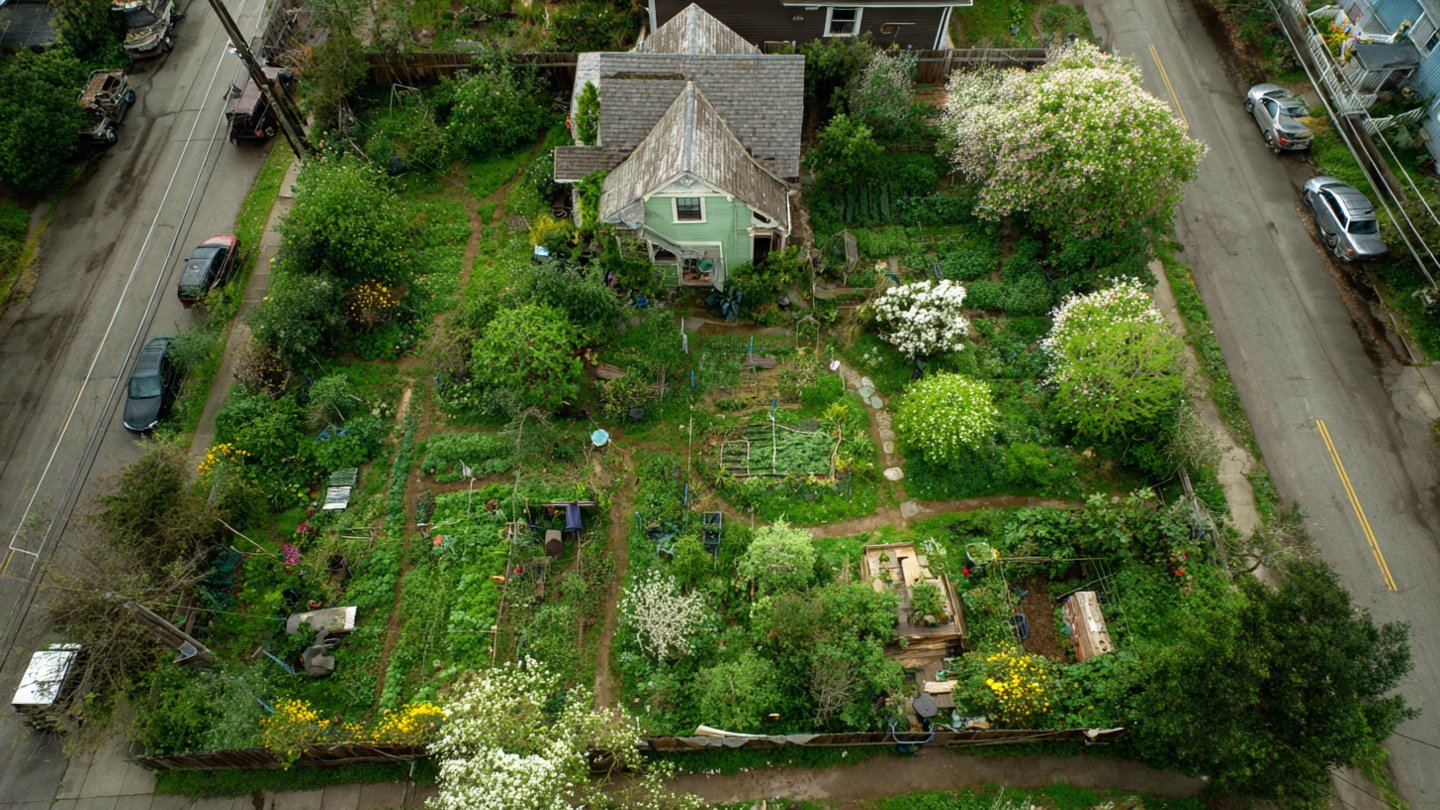
The concept of a food forest is a sustainable method of gardening that emulates a natural forest ecosystem while providing edible plants. Instead of a conventional lawn that requires constant mowing and watering, a food forest can yield fruits, vegetables, nuts, and herbs. This guide will show you how to transform your lawn into a food forest in just one season. Let’s delve into the necessary steps, from planning to planting, and maintaining your new green oasis.
Understanding Food Forests
Before you start transforming your lawn, it’s important to understand what a food forest is. A food forest is a layered ecosystem that incorporates various plants to support one another. These layers typically include:
- Canopy Layer: Tall trees such as apple, pear, or cherry that provide shade and shelter.
- Sub-Canopy Layer: Smaller trees and shrubs like hazelnuts and blueberries.
- Herbaceous Layer: Plants such as herbs, sunflowers, and perennials that thrive in partial shade.
- Ground Layer: Plants that grow close to the ground like strawberries and creeping thyme.
- Root Layer: Edible plants such as carrots and potatoes that grow below the soil.
Step 1: Planning Your Food Forest
The first step in establishing a food forest is thorough planning. Take into consideration the following factors:
Assess Your Space
Evaluate the size and condition of your lawn. Note sunlight patterns, soil quality, and existing vegetation. This analysis will guide you on which plants are suitable for your space.
Choose Your Plants
Select plants native to your region, as they will thrive with minimal maintenance. Incorporate a variety of plants from the different layers mentioned earlier to create a diverse ecosystem. Consider:
- Fruit trees (apple, cherry, citrus)
- Berries (blueberries, raspberries)
- Nuts (walnuts, chestnuts)
- Herbs (basil, oregano, mint)
- Vegetables (kale, tomatoes, peppers)
Step 2: Preparing the Site
Once you have a plan in place, prepare your site for planting. Here are some key steps:
Clear the Area
Remove grass and weeds, either manually or by using sheet mulching. This involves covering your lawn with cardboard or newspaper for several weeks, suppressing weeds while enriching the soil.
Soil Improvement
Test your soil to determine its pH and nutrient levels. Based on the results, add organic compost, well-rotted manure, or other amendments to improve soils such as clay or sandy. Stratified layers (topsoil, compost, etc.) will enhance fertility.
Step 3: Planting Your Food Forest
With your space prepared, it’s time to plant!
Layering your Plants
When planting, consider the layers again. Start with the tallest trees in the back and work your way down to the ground cover. This will allow each plant to receive adequate sunlight:
- Plant large trees at least 15 feet apart.
- Position smaller trees in front of them, ensuring they get sunlight.
- Add shrubs, herbs, and ground cover around the trees.
Watering and Initial Care
Immediately after planting, water thoroughly to help your plants settle. Be mindful of watering needs as different plants will have different requirements. A good rule of thumb is to observe the moisture level of the soil and adjust watering accordingly.
Step 4: Maintenance and Care
After planting, your role transforms to that of a caretaker. Here are key elements for maintenance:
Mulching
Add a thick layer of mulch around your plants to suppress weeds, retain moisture, and regulate soil temperature. Organic mulch, such as straw or wood chips, will also improve soil health as it decomposes.
Monitoring Growth
Regularly check the growth of your plants. Adjust watering, remove weeds, and monitor for pests or diseases. Creating a balanced ecosystem in your food forest will naturally repel many common garden pests.
Encouraging Wildlife
Invite beneficial wildlife into your food forest. Birds, insects, and small mammals can help in pollination and pest control. Plant flowers to attract pollinators, and provide nesting sites to encourage more wildlife.
Conclusion
Transforming your lawn into a food forest can be a rewarding experience that pays off in fresh, sustainable produce for you and your family. In just one season, planning, planting, and maintaining your food forest can turn a traditional lawn into a thriving ecosystem. Embrace the beauty and benefits of sustainable living, and enjoy the fruits of your labor for years to come.
FAQs
1. How long does it take for a food forest to mature?
While you can start enjoying some produce in the first season, a food forest typically takes about 3-5 years to fully mature and yield abundant harvests.
2. Do I need to use pesticides in my food forest?
Ideally, a food forest’s natural ecosystem should minimize the need for pesticides. However, if problems arise, consider organic options or integrated pest management techniques.
3. Can I grow a food forest in a small yard?
Absolutely! Food forests can be adapted to any size yard. Choose smaller plants and utilize vertical gardening techniques to maximize space.
4. What is the best time of year to start a food forest?
Spring is generally the best time to start planting your food forest. However, fall is also a good time to prepare the site and plant some perennial species.
5. Will the plants in my food forest compete for nutrients?
In a well-designed food forest, plants are chosen to complement each other. Avoiding competition for nutrients is key; for example, deep-rooted plants can seek nutrients at different soil levels than shallow-rooted plants.