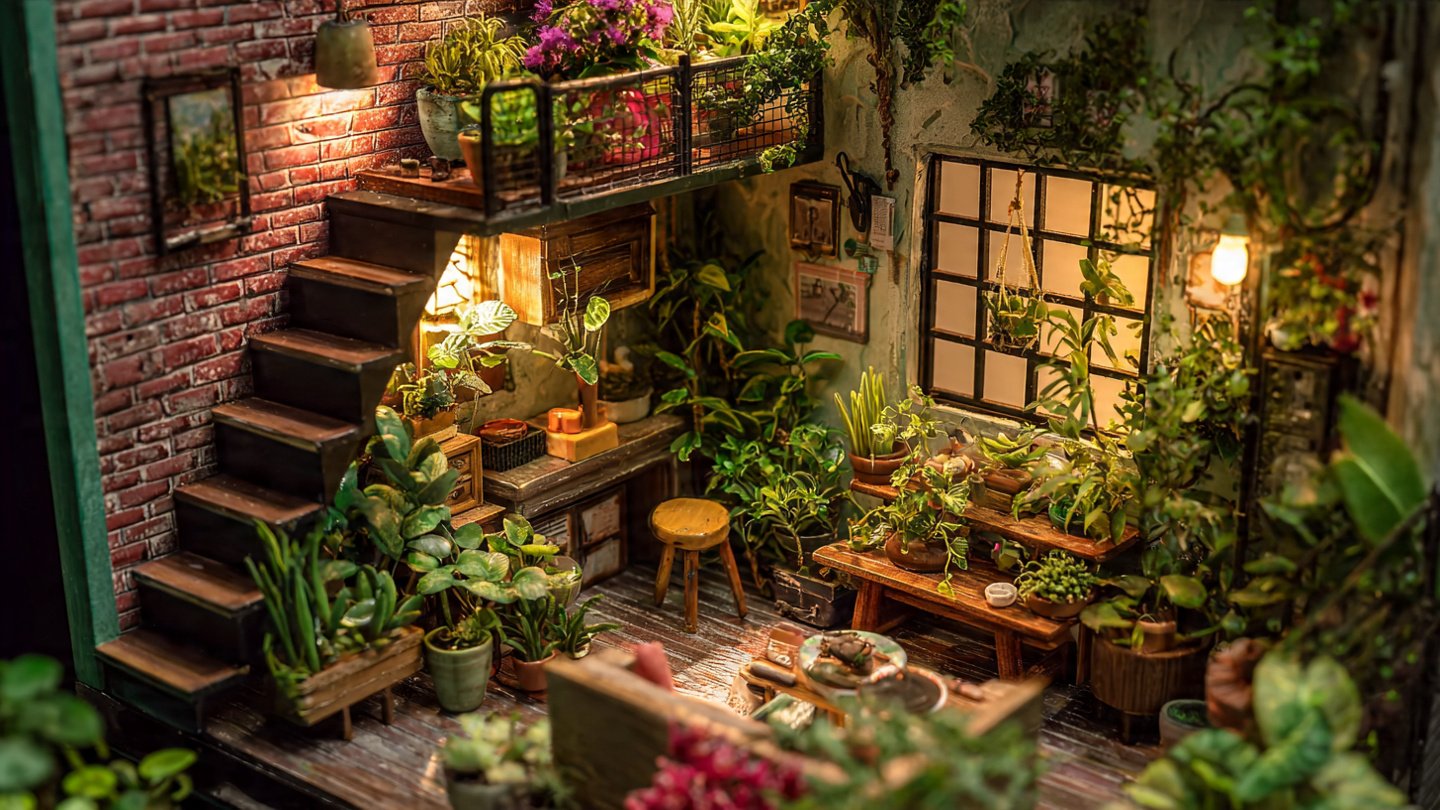
Living in a small space doesn’t mean you have to give up on your dream of having a garden. With a little creativity and planning, you can transform your tiny studio into a lush indoor garden. This article will guide you through various ways to maximize your space and create a vibrant, green oasis in your home.
Assess Your Space
The first step in transforming your tiny studio into an indoor garden is to assess the available space. Identify areas where you can place plants, keeping in mind factors like sunlight, accessibility, and aesthetics. Consider these key areas:
- Window sills: These are perfect for smaller plants that thrive in direct sunlight.
- Wall-mounted shelves: Opt for vertical space to display plants without taking up floor space.
- Corner spaces: Utilize corners for larger plants or standing shelves filled with greenery.
- Hanging planters: These are a great way to add greenery without occupying surface space.
Choosing the Right Plants
Selecting the right plants is crucial for a successful indoor garden. Here are some options that thrive well in indoor settings and are suitable for small spaces:
- Succulents: Low-maintenance and available in various shapes and sizes, succulents make a great choice.
- Spider Plants: Known for their air-purifying abilities, spider plants can thrive in lower light conditions.
- Pothos: With their trailing vines, they are perfect for hanging baskets or high shelves.
- Herbs: Consider growing fresh herbs like basil or mint in your kitchen for a fragrant touch.
Vertical Gardening Solutions
To maximize space, consider vertical gardening solutions. Here are some ideas to help you create an eye-catching vertical garden:
- Living Walls: Install a vertical wall planter system to create a stunning living wall. This can be a great focal point in your studio.
- Wire Grids: Use wire grids to hang small pots and create an artistic display.
- Bookshelves: Incorporate plants into your bookshelves for a natural look while keeping your books handy.
Lighting Considerations
Lighting is essential for the health of your indoor plants. Consider the following options to ensure your plants get the right amount of light:
- Natural Light: Place plants near windows to take advantage of natural sunlight.
- Grow Lights: If natural light is limited, invest in energy-efficient grow lights that can help your plants thrive.
Watering and Maintenance
Consistency in watering and maintenance is key to a thriving indoor garden. Here are some tips:
- Create a Schedule: Establish a watering schedule to ensure your plants receive adequate moisture.
- Use Self-Watering Pots: These can help maintain consistent moisture levels for your plants.
- Regular Pruning: Keep your plants healthy by removing dead or yellowing leaves as needed.
Incorporating Decorative Elements
Your indoor garden doesn’t have to be purely functional; it can also be aesthetically pleasing. Consider adding decorative elements such as:
- Decorative Pots: Choose visually appealing pots that complement your studio’s decor.
- Garden Furniture: Add a small bench or chair that invites you to relax and enjoy your space.
- Artistic Displays: Use stones, figurines, or decorative pebbles to enhance your garden’s beauty.
Creating a Cozy Atmosphere
To make your indoor garden feel like a true oasis, focus on creating a cozy atmosphere. Here are some suggestions:
- Aromatherapy: Incorporate plants that not only look good but also smell wonderful, such as lavender or jasmine.
- Comfortable Seating: Add cozy seating where you can enjoy your indoor garden.
- Color Palette: Use colors that evoke feelings of nature and tranquility, incorporating soft greens and earth tones.
Seasonal Changes
As seasons change, so should your indoor garden. Rotate plants to adapt to changing light conditions and consider seasonal plants or flowers to keep your indoor garden dynamic and fresh. Here are a few ideas:
- Spring: Add flowering plants such as tulips or daffodils for vibrant color.
- Summer: Focus on lush greenery and tropical plants for a vibrant atmosphere.
- Fall: Incorporate autumnal colors with plants like ornamental peppers or small pumpkins.
- Winter: Bring in hardy plants that can withstand lower indoor temperatures.
Conclusion
Transforming a tiny studio into a lush indoor garden is not only possible but can also be an incredibly rewarding endeavor. By assessing your space, selecting the right plants, utilizing vertical gardening techniques, and maintaining proper light and care, you can create a vibrant green sanctuary that brings joy and tranquility to your home. Embrace your creativity, and let your indoor garden flourish, enhancing both your living space and your overall well-being.
FAQs
1. Can I grow vegetables in a tiny studio?
Yes! Many vegetables can be grown in small spaces, such as herbs, salad greens, and dwarf varieties of peppers and tomatoes. Just make sure to provide adequate light and care.
2. How often should I water my indoor plants?
Watering frequency varies by plant species and their environment. A good rule of thumb is to check the top inch of soil; if it’s dry, it’s time to water.
3. What are the best types of plants for low-light conditions?
Some of the best plants for low-light conditions include snake plants, pothos, and ZZ plants. These plants are known for their ability to thrive with minimal light.
4. Do I need to fertilize my indoor plants?
Yes, fertilizing indoor plants can provide the essential nutrients they need to grow healthy. Use a balanced, water-soluble fertilizer during the growing season (spring and summer).
5. How can I deal with pests in my indoor garden?
Maintain good hygiene by removing dead leaves, and consider using natural pest control methods like neem oil or insecticidal soap to keep pests at bay.