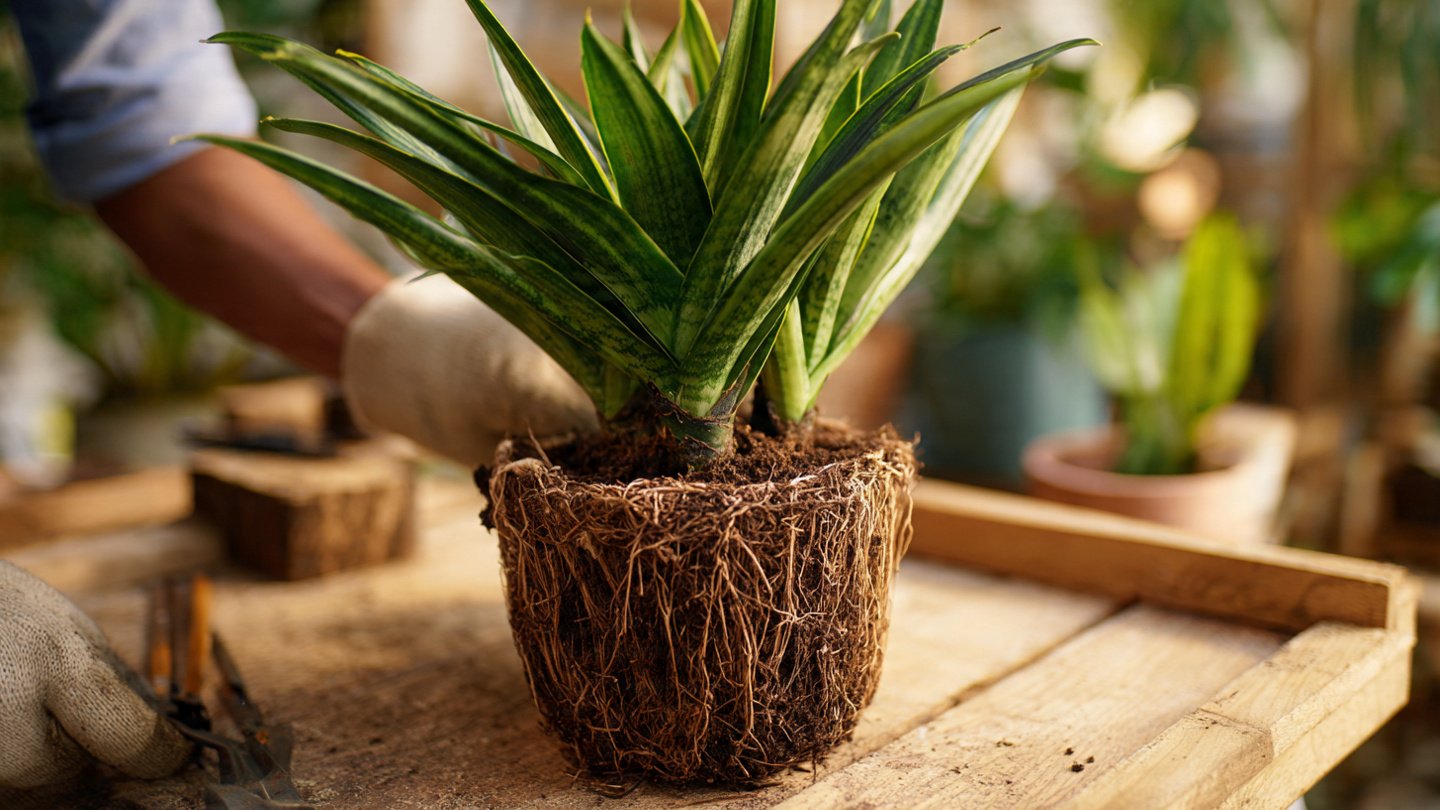
The snake plant, scientifically known as Sansevieria trifasciata, has gained immense popularity among both novice and experienced plant enthusiasts. Known for its striking, sword-like leaves and air-purifying qualities, this hardy houseplant thrives in a variety of conditions. However, like all indoor plants, it requires occasional repotting to ensure thriving growth. This article will guide you through the steps of safely repotting a root-bound snake plant.
Recognizing a Root Bound Snake Plant
A root bound plant is one whose roots have encircled the inside of the pot, often leading to stunted growth and unhealthy foliage. Here are some signs that your snake plant may need repotting:
- Circular roots: If you see roots growing in circles around the pot, it’s time to repot.
- Stunted growth: If your plant seems to have stopped growing or producing new leaves, it may be root bound.
- Soil degradation: Old soil can compact and lose nutrients, affecting the plant’s health.
- Water drainage issues: If the soil retains water longer than usual, the roots might be taking up all the space.
Gathering Supplies
Before you begin the repotting process, gather the necessary supplies:
- New pot: Select a pot that is 1-2 inches larger in diameter than the current one, with drainage holes.
- Potting mix: A well-draining mix is critical. Use cactus or succulent potting soil.
- Gloves: Protect your hands, particularly if your snake plant has sharp edges.
- Trowel: For transferring soil and helping to manipulate the roots.
- Water: A light watering after repotting can help settle the new soil.
Steps to Safely Repot Your Snake Plant
1. Prepare Your New Pot
Before removing your snake plant from its old pot, prepare the new pot. Fill the bottom with a layer of fresh potting mix, about 1-2 inches deep. This provides a base for the roots to settle.
2. Remove the Snake Plant
To remove the plant, gently tip it sideways. Tap the sides of the pot to loosen the soil and roots. If necessary, you can use a trowel to help pry the plant out. Be careful not to damage the roots.
3. Inspect the Roots
Once out, examine the root system. If the roots are excessively bound, use clean, sharp scissors to cut away circular or compressed roots. This can be a bit daunting, but pruning unhealthy roots encourages new growth.
4. Reposition the Snake Plant
Place the snake plant in its new pot at the same depth it was previously growing. Make sure the crown of the plant (where the leaves meet the roots) is level with the top of the soil in the new pot.
5. Add Fresh Soil
Add fresh potting mix around the plant, gently pressing it down to eliminate air pockets. Ensure that the soil is evenly distributed and covers the roots completely.
6. Water Lightly
Once you have repotted the snake plant, water it lightly to help settle the soil. Avoid overwatering, as the plant is still adjusting to its new environment.
7. Find the Right Location
After repotting, place the snake plant in a location that receives indirect sunlight. Avoid intense sunlight immediately after repotting, as the plant may undergo stress during this transition period.
Post-Repotting Care
Providing proper care after repotting is vital for your snake plant’s recovery and growth:
- Watering: Allow the top inch of the soil to dry out before watering again. Snake plants prefer to be on the drier side.
- Light: Gradually introduce the plant to its usual lighting conditions over a few weeks.
- Fertilization: Withhold fertilizer for about a month after repotting. Resume with diluted liquid fertilizer during the growing season.
- Pest Management: Monitor for pests, especially if the plant was previously stressed. Common pests include spider mites and mealybugs.
Conclusion
Repotting a root-bound snake plant can seem like a daunting task, but with careful attention and the right steps, it can lead to a healthier and more beautiful plant. Regular monitoring and timely repotting are key to sustaining its growth and appearance. By understanding the signs of being root-bound and following the outlined procedures, you can foster a thriving environment for your snake plant, ensuring it continues to provide you with air-purifying benefits and aesthetic value.
FAQs
1. How often should I repot my snake plant?
Typically, snake plants should be repotted every 2-3 years or when you notice signs of being root-bound.
2. Can I use regular potting soil for my snake plant?
While you can use regular potting soil, it’s best to opt for a well-draining cactus or succulent mix to avoid root rot.
3. What should I do if my snake plant’s leaves start to turn yellow after repotting?
Yellowing leaves may indicate overwatering or stress from being repotted. Allow the soil to dry out and monitor watering habits.
4. Are snake plants toxic to pets?
Yes, snake plants are considered mildly toxic to pets and humans. Keep them out of reach of curious pets and children.
5. What is the ideal light condition for a snake plant?
Snake plants thrive in indirect sunlight but can tolerate low light conditions. They should be protected from direct, harsh sunlight.