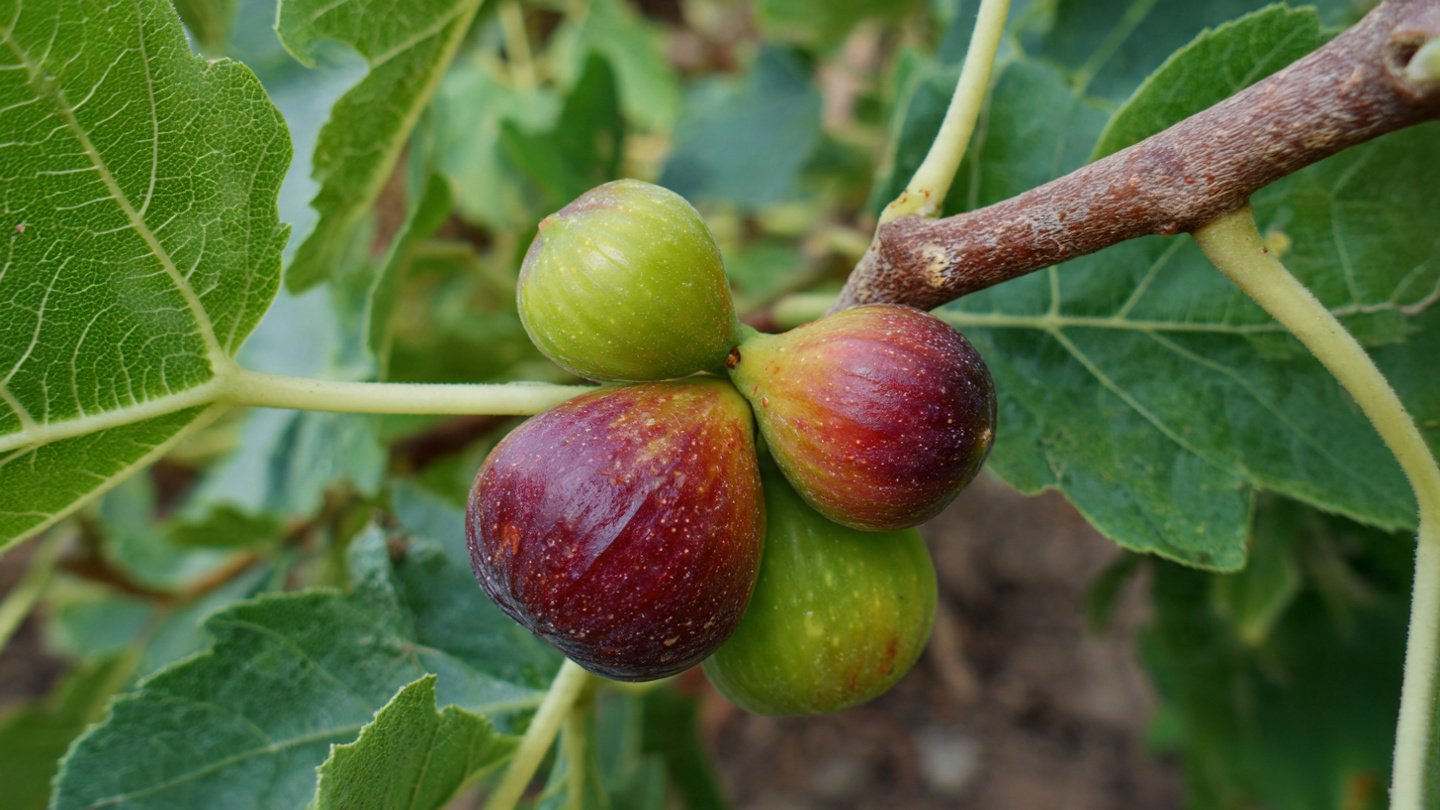
Figs are a delightful fruit, known for their unique flavor, texture, and nutritional benefits. However, if you’re a fig enthusiast or gardener living in a region with shorter growing seasons, you may worry about whether your figs will ripen before the frost sets in. Fortunately, there are methods to encourage your figs to ripen more quickly and effectively. This article explores practical techniques to ensure that your figs reach their full potential before the frost arrives.
Understanding Fig Ripening
Figs are interesting fruits. Unlike many others, they do not ripen after being picked. This means that it’s vital to harvest them at the right time. Ripening figs will typically display a soft texture, a slightly wrinkled skin, and a sweet aroma. Here’s a look at the factors affecting fig ripening.
Factors Influencing Ripening
-
Temperature: Figs thrive in warm conditions. They require consistent temperatures above 60°F (15°C) for effective ripening.
-
Sunlight: Full sun exposure is crucial. Figs that are shaded can take longer to ripen and may not develop their full sweetness.
-
Watering: Too much or too little water can affect the quality and timing of your figs. Consistent moisture is essential, especially during the ripening phase.
-
Tree Variety: Some fig varieties are more suited to cooler climates than others. Knowing whether you have an early or late ripening variety can help in planning.
-
Age of the Tree: Younger trees may bear fewer fruit than mature trees, and the ripening process can take longer.
The Frost Factor
Frost can kill unripe figs, particularly if the temperature dips below 32°F (0°C). In adverse weather conditions, you may find yourself racing against time, trying to save your fruit. Recognizing the signs of impending frost is crucial. Look for weather forecasts predicting temperatures near freezing in your area, and take action as soon as the threat appears.
Simple Tricks for Ripening Figs Before Frost
Here are some straightforward techniques to encourage your figs to ripen before frost threatens:
1. Pruning and Pinching Back
Pruning your fig tree can significantly affect how well your figs ripen. By removing dead or overly vigorous branches, you can focus the tree’s energy on the fruits that matter. Here’s how to do it:
- Timing: Late summer, just as figs begin to ripen, is the ideal time for pruning.
- Technique: Cut back new growth by about one-third to encourage energy to flow to the remaining fruits.
Pinching back can also redirect the energy. If you have an abundance of immature figs, removing some can help the rest mature more quickly.
2. Controlling Water Supply
Figs require consistent watering, particularly during their growth phase. However, to encourage early ripening, adjust your watering schedule:
- Reduce Watering: Gradually cut back on water in late summer. This signals the tree to focus on ripening existing fruits rather than continuing to grow.
- Mulching: Consider using organic mulch to retain moisture in the soil while gradually decreasing watering frequency.
3. Using Plastic Bags
One effective trick to speed up ripening is to use plastic bags:
- Selection of Figs: Choose figs that are close to ripening but still firm.
- Timing: Apply this method when frost is predicted within a week.
- Technique: Place each fig individually in a plastic bag with a small apple or banana. The ethylene gas released by the apple or banana encourages quicker ripening.
4. Wrapping with Paper
Another variation of the plastic bag method involves wrapping the figs in paper:
- Choice of Paper: Use newspaper or any breathable paper.
- Technique: Wrap the figs lightly, allowing air circulation while protecting them.
- Benefits: This protects figs from pests, and the warmth induces ripening.
5. Using Row Covers and Blankets
Creating a microclimate can assist in ripening figs and protecting them from frost. Here’s how:
- Row Covers: Install lightweight row covers to trap heat at night.
- Blankets: For specific frost events, cover your fig tree with old blankets or sheets. Remove them during the daytime to allow sunlight in.
6. Utilizing Heat Sources
If you want to take it a step further, consider using additional heat sources. This could include:
- String Lights: Wrap LED string lights around your fig tree. They produce minimal heat, which can protect the tree during cooler nights.
- Heat Mats: If your tree is in a container, moving it to a warm location or placing it on a heat mat can promote ripening.
7. Harvesting Early
In desperate times, harvesting early may be the only option. While you lose some flavor and sweetness, you can still utilize these figs for cooking, baking, or preserving. Here’s how to approach it:
- Selecting Figs: Look for figs that are soft to the touch, irrespective of how ripe they are.
- Storage: Place them in a cool, dry place, away from direct sunlight, until they ripen slightly more.
8. Encouraging Natural Predators
If your figs are struggling with pests like fruit flies, using natural predators will help:
- Beneficial Insects: Introduce insects like ladybugs or lacewings which can control pest populations.
- Attracting Pollinators: Planting flowers nearby can attract beneficial insects that help with pollination and fruit development.
Conclusion
Figs are one of nature’s sweet rewards, but they require careful planning and attention, especially as the frost approaches. By implementing these simple techniques, you can encourage your figs to ripen quickly, ensuring a fruitful harvest before temperatures drop.
From adjusting your pruning methods to using plastic bags or row covers, every step will lead you closer to enjoying the sweet, succulent taste of perfectly ripened figs. As a gardening enthusiast, mastering these tips can make a significant difference in your overall fruit yield and satisfaction.
Mastering the art of ripening figs is not just about saving your harvest; it’s about embracing the gardening experience and enjoying the fruits of your labor. As the harvest season draws near, you’ll be well-prepared to savor those figs, bringing a sweet end to your gardening journey.