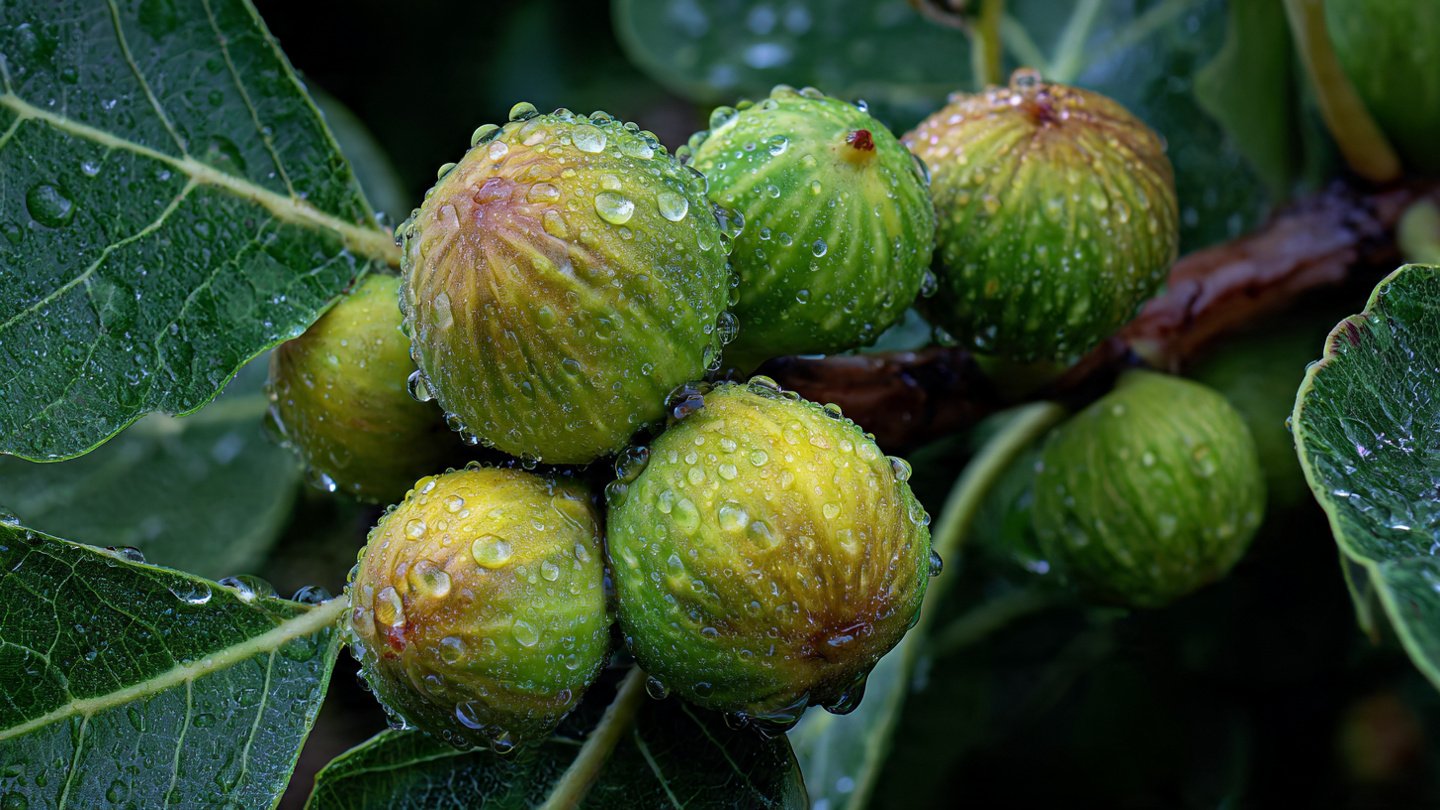
Figs are one of the most sought-after fruits, admired for their unique flavor, sweet texture, and versatility in the kitchen. However, if you live in a region where colder temperatures can threaten your fig harvest, you may find yourself wondering how to ensure your figs ripen before the frost sets in. Fortunately, there are some simple tricks you can use to help your figs reach their full potential, allowing you to enjoy their luscious goodness even as temperatures begin to drop. This article will delve into effective methods to ripen figs before frost, highlighting both practical tips and underlying science.
Understanding Fig Ripening
Figs are unique fruit that doesn’t ripen fully on the tree. Instead, they require a certain amount of heat and sunlight to develop their sugars and flavors. When autumn temperatures begin to cool, figs can become a race against nature, leading to disappointment when they fall prematurely or remain undeveloped. Before diving into the tricks to ripen your figs, it’s important to understand the ripening process.
The Ripening Process
-
Ethylene Production: Figs produce a natural plant hormone called ethylene, which plays a critical role in fruit ripening. This hormone helps convert starches into sugars, resulting in the sweet figs we love.
-
Temperature Sensitivity: Figs thrive in warm conditions. The ideal temperature for ripening figs is around 70–85°F (21–29°C). Lower temperatures can slow down the ripening process significantly.
-
Sunlight and Nutrition: Adequate sunlight and water are essential for healthy fig trees. Insufficient light or nutrients can lead to poorly developed fruit.
Signs of Ripeness
Figs are ripe when they exhibit certain characteristics:
- Color Change: The fruit’s color will deepen, often becoming more vibrant.
- Softness: Ripe figs will yield to gentle pressure, indicating softness.
- Aroma: A sweet, fragrant scent will emanate from the fruit.
- Drooping: Ripe figs often droop slightly on the tree.
Recognizing these signs will help you identify when the figs are ready for harvesting, or if they need additional help ripening.
Tricks to Ripen Figs Before Frost
If you find that there are still unripe figs on your tree as the frost approaches, don’t despair! Here are several effective methods to encourage ripening.
1. Regular Watering
Although it may seem counterintuitive, proper watering is crucial for ripening figs. During late summer and early fall, fig trees need consistent water to help them develop sugars within the fruit. Use a deep watering method to ensure that moisture penetrates the root zone.
2. Increase Sun Exposure
Cut back any surrounding vegetation that may be shading your fig tree. Providing your figs with maximum sunlight during the day can enhance the natural ripening process. If your figs are planted in rows, consider thinning them or repositioning plants to improve light access.
3. Fertilization
The right nutrients can significantly influence the ripening of figs. Use a balanced fertilizer, ideally one that is low in nitrogen and high in potassium. This will promote fruit development rather than leaf growth. Fertilization should occur early in the growing season, ideally in late spring.
4. Ethylene Gas Treatment
As figs ripen, they produce ethylene gas, which can be harnessed to encourage ripening. One effective method is to place unripe figs in a paper bag with an apple or banana. These fruits also emit ethylene gas, which can help trigger ripening in nearby figs. Seal the bag for a few days, checking regularly for ripening.
5. Using Plastic Bags
For smaller batches of figs, another interesting trick involves using plastic bags. Place unripe figs inside an unsealed plastic bag with a damp paper towel. The moisture trapped in the bag can help maintain humidity while also encouraging ethylene production. This humid environment can speed up the ripening process.
6. Harvesting and Ripening Indoors
If frost is imminent, one last resort is to harvest the figs, even if they are not fully ripe. Pick the figs that are plump and swollen but still firm. Store them indoors in a single layer, ideally in a cool, dark place. Check them regularly for softness and flavor; even unripe figs can ripen off the tree given the right conditions.
7. Row Covers for Protection
If your fig tree is particularly vulnerable to frost, consider using protective row covers. These lightweight fabrics can protect your plants from frost while still allowing sunlight and humidity to reach the figs. On warmer days, you can easily remove the covers to let your tree breathe.
8. Timing Your Pruning
Pruning your fig tree can help manage its energy and resources, allowing for better ripening. However, timing is crucial. Prune during the growing season but avoid heavy pruning in late summer or fall, as this can stress the plant, leading to delayed ripening.
The Scientific Understanding Behind These Methods
Understanding the science behind these ripening techniques can enhance your gardening strategy. Ethylene, the plant hormone responsible for ripening, is produced in response to various stimuli, including heat, light, and stress. By manipulating these factors, gardeners can significantly influence the ripening process.
Ethylene and Ripening
Ethylene accelerates several metabolic processes within the fruit, facilitating sugar breakdown and softening of the texture. By surrounding figs with other ethylene-producing fruits, you amplify this process, hastening ripening.
Temperature Management
Figs are sensitive to ambient temperature. If temperatures drop too low, ethylene production slows, leading to firm, unripe fruits. Implementing protective techniques like row covers or bringing figs indoors mitigates the risk of cold damage and maintains a more favorable environment for ripening.
Conclusion
Ripening figs before the frost sets in can be accomplished with some foresight and simple tricks. By increasing sun exposure, managing water, fertilizing wisely, and utilizing ethylene gas, you can effectively promote fig ripening. Even if you are faced with an approaching frost, methods like harvesting unripe figs and ripening them indoors can ensure that you don’t miss out on the sweetness of this delectable fruit.
Utilizing your gardening knowledge and techniques can help you enjoy fresh figs while allowing you to feel accomplished as a gardener. With these tips in mind, you’ll be able to turn the challenge of ripening figs before frost into an opportunity for delightful fall harvests. Whether you plan to savor your figs fresh, use them in culinary creations, or preserve them for later use, mastering the ripening process can elevate your fig-growing experience and ensure that you relish every last bite of this divine fruit.