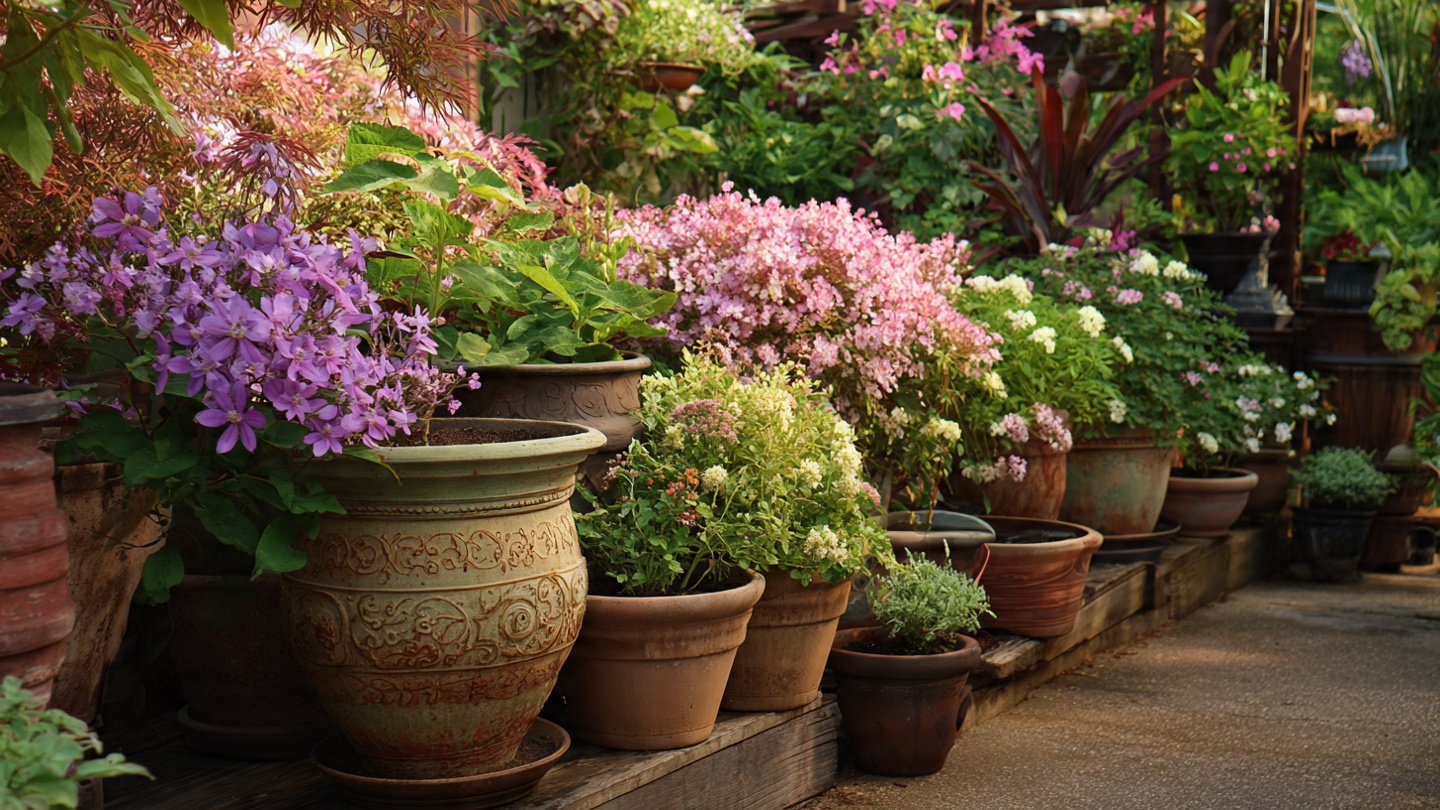
How Can You Ensure Your Potted Perennials Bloom Year After Year?
Potted perennials are the perfect solution for gardeners looking to add color and life to their outdoor spaces without the commitment required for annuals. With the right care, these plants can thrive for years, bringing beauty to patios, balconies, and gardens. However, the key to ensuring your potted perennials bloom year after year lies in understanding their needs and providing the appropriate environment. This article discusses essential tips and techniques to help ensure your perennials return with vibrant blooms season after season.
Understanding Perennials
Before delving into care tips, it’s important to understand what perennials are. Perennials are plants that live for more than two years, returning each season to produce flowers and foliage. They go through a dormancy period in winter, during which they may lose their leaves and require less water and care. Some popular perennials include:
- Shasta Daisy (Leucanthemum x superbum)
- Daylily (Hemerocallis spp.)
- Lavender (Lavandula spp.)
- Astilbe (Astilbe spp.)
Different perennials have different bloom times, so selecting a variety that bloom throughout the growing season will create a continuous display.
Choosing the Right Pots
-
Size Matters: Selecting the right size pot is crucial. A larger pot allows for better root expansion and limited stress during dry spells. It’s important that the pot is big enough to accommodate the mature plant.
-
Material Choices: Different pot materials, such as terracotta, ceramic, or plastic, offer varying degrees of insulation and moisture retention. Terracotta pots, for example, are porous and allow for good aeration but may dry out faster. Consider your local climate when selecting a pot.
-
Drainage: Ensure that pots have adequate drainage holes. Poor drainage can lead to waterlogging, which can harm the roots and impede growth.
Soil Selection
Quality soil is essential for potted perennials. Here are some pointers:
-
Well-draining Soil Mix: Use a potting mix specifically designed for container gardening. These mixes often contain components like peat moss, vermiculite, and perlite that promote drainage and aeration.
-
Nutrients: As perennials grow, they deplete nutrients from the soil. Consider adding slow-release fertilizers or organic compost into the potting mix. This will help maintain nutrient levels over time.
-
pH Balance: The soil’s pH can impact the plant’s nutrient availability. Most perennials prefer slightly acidic to neutral soil (pH 6-7). Test the soil periodically and adjust as needed.
Watering Wisely
Watering is one of the most critical factors affecting the health of potted perennials.
-
Consistent Moisture: Always keep the soil consistently moist but not soggy. Overwatering can suffocate the roots, while underwatering can lead to stress and poor blooms.
-
Watering Schedule: During hot summer days, pots may dry out quickly. Water early in the morning or late in the evening when evaporation rates are lower.
-
Check for Drainage: Always ensure excess water can escape from the pot. If water collects at the bottom, it could lead to root rot.
Sunlight and Location
Perennials have varying sunlight needs ranging from full sun to partial shade.
-
Choose the Right Location: Before planting, understand the sunlight requirements of your perennials. Most flowering perennials thrive in full sun, which means they should receive at least six hours of sunlight per day.
-
Monitor and Adjust: Be aware of seasonal changes in sunlight and adjust the position of the pots as needed.
-
Protect from Harsh Conditions: During extreme weather conditions, such as heavy rain, strong winds, or intense sunlight, consider relocating your potted perennials to a more sheltered spot.
Fertilization Techniques
To ensure vibrant blooms year after year, fertilization plays an essential role:
-
Choose the Right Fertilizer: A balanced fertilizer, such as a 10-10-10 NPK (nitrogen, phosphorus, potassium), can be effective. Phosphorus is especially important for flowering.
-
Frequency: Follow label instructions for application frequency. Generally, every four to six weeks during the growing season should suffice.
-
Organic Options: If you prefer organic gardening methods, consider compost tea or organic fertilizers like fish emulsion. Aim to amend the soil in early spring before the flowering period.
Pruning and Deadheading
Regular maintenance can enhance the blooming potential of your perennials.
-
Deadheading: Remove spent flowers promptly as this encourages plants to produce more blooms. It also prevents the plant from redirecting energy toward seed production.
-
Pruning: Regularly cut back dead or diseased foliage. For some perennials, such as daylilies or coneflowers, cutting back in early spring can promote healthier growth.
-
End-of-Season Care: After the growing season, consider trimming back stems to prepare your perennials for dormancy. This process varies depending on your specific plant’s needs.
Mulching
Mulching offers multiple benefits for potted perennials:
-
Moisture Retention: A layer of mulch helps retain soil moisture by reducing evaporation.
-
Temperature Regulation: Mulch acts as an insulator, keeping the soil cooler in summer and warmer in winter. This is especially important for potted plants that can be affected by temperature fluctuations.
-
Weed Control: A good layer of mulch can prevent weeds from competing for nutrients and water.
Winter Care
Winter can be a challenging time for potted perennials, especially in regions with harsh freezing temperatures.
-
Protection from Frost: Move pots to a sheltered area to protect them from frost. Grouping pots together can provide additional insulation.
-
Insulate the Pots: Wrap pots with burlap or bubble wrap for extra insulation against cold.
-
Reduce Watering: Perennials enter dormancy in winter, and their water needs diminish. Water sparingly during this period, ensuring the soil doesn’t become waterlogged.
Plant Selection
Selecting the right perennials for your climate and conditions is paramount.
-
Native Plants: Research native perennials that are well-adapted to your local climate. These plants tend to require less maintenance and are more resilient.
-
Companion Planting: Consider choosing a mix of perennials that complement each other and can thrive under similar conditions.
-
Seasonal Blooms: Plant a variety of perennials that bloom at different times to ensure that there’s always something in flower across the seasons.
Monitoring Pest and Disease
Keeping an eye on your plants can prevent major issues:
-
Regular Inspections: Frequently check for signs of pests, such as aphids or spider mites, and remove them immediately.
-
Disease Management: Be vigilant for signs of disease, like mildew or root rot. Proper air circulation and watering practices can help prevent these problems.
-
Natural Remedies: Consider using natural insecticides or introducing beneficial insects to control pest populations.
Conclusion
With the right care and attention, your potted perennials can bloom year after year, enriching your garden with vibrant colors and textures. By choosing the right pot, soil, and location, as well as implementing a well-planned care routine, you can enjoy a flourishing display of perennials in your outdoor space. Whether you’re a seasoned gardener or a beginner, these tips will help you create a thriving perennial garden that brings joy season after season. Remember that gardening is a journey, and each season presents new opportunities to learn and improve your skills. Happy gardening!