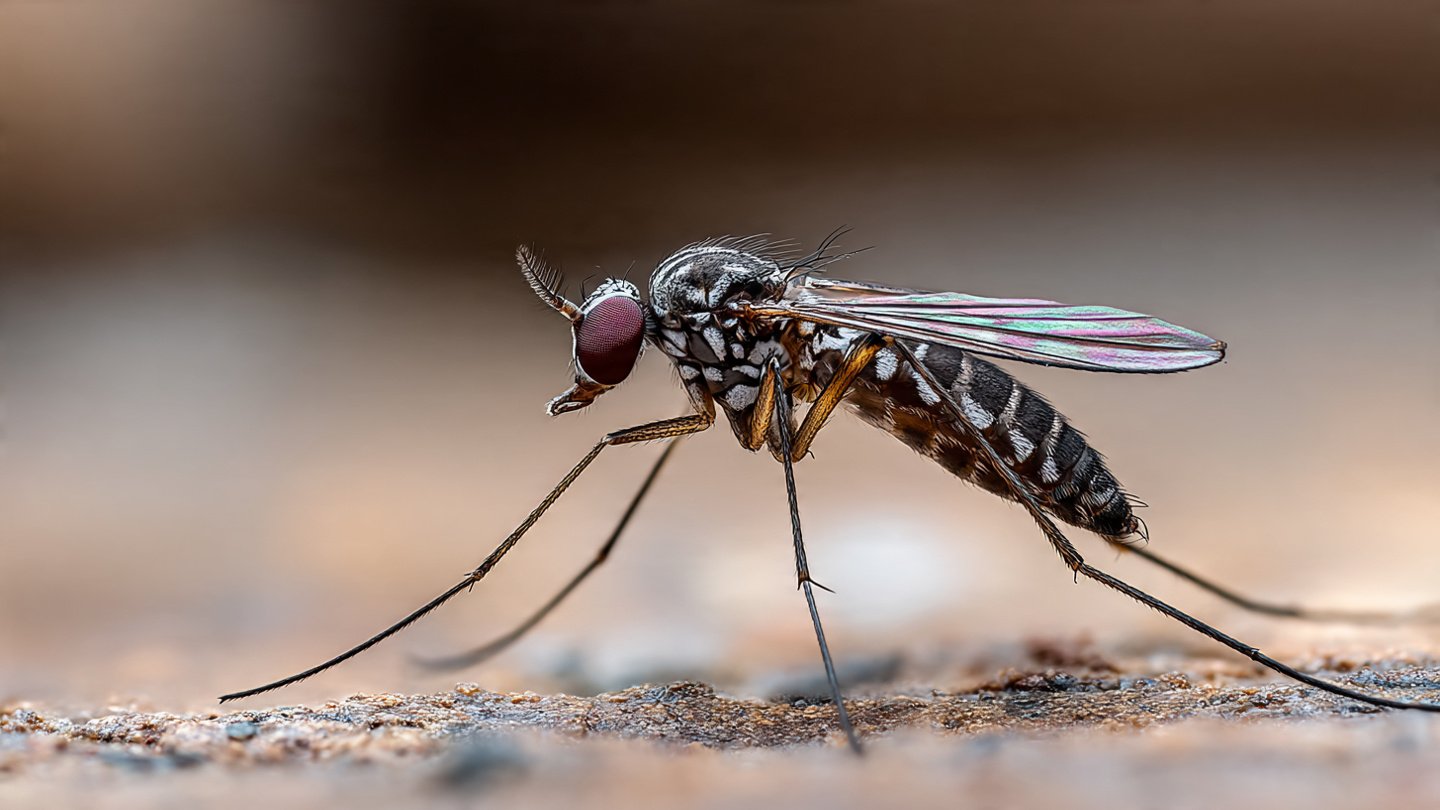
Fungus gnats are tiny flying insects that can wreak havoc on your indoor plants. While their presence may seem harmless, these pests can cause significant damage to plant roots and lead to overall poor plant health. If you’re struggling with an infestation, it’s crucial to implement effective strategies to eliminate these pests for good. This article will provide a detailed overview of what fungus gnats are, why they’re a problem, and proven methods to eradicate them from your home.
Understanding Fungus Gnats
Fungus gnats belong to the Sciaridae family and are typically found in moist environments, particularly in soil that has poor drainage. Adult gnats are about 1/8 inch long and can be identified by their dark bodies and long legs. The larvae, which are the destructive life stage, feed on organic matter and the roots of your plants. This feeding can lead to stunted growth and a variety of plant diseases.
Signs of Infestation
Early detection is key to successfully eliminating fungus gnats. Here are some common signs to look for:
- Small, dark flies hovering around your plants.
- Flies buzzing around windows or light fixtures.
- Yellowing leaves on plants.
- Seedlings that appear weak or stunted.
- Visible white larvae in the top inch of soil.
Methods for Elimination
To effectively eliminate fungus gnats, a combination of methods is often required. Here are the most successful strategies:
1. Let the Soil Dry Out
Fungus gnats thrive in moist environments, so allowing the surface of the soil to dry out between watering can significantly reduce their population. Here are some tips:
- Water your plants less frequently, allowing the soil to dry out completely for a few inches down.
- Use pots with drainage holes to prevent standing water.
2. Use Sticky Traps
Yellow sticky traps are an effective way to catch adult gnats. Place these traps near your plants or in areas where gnats are prevalent. The bright color attracts them, and once they land, they become stuck. This helps reduce the adult population and interrupts the reproductive cycle.
3. Implement Biological Control
Using beneficial nematodes or predatory insects can provide a natural solution to fungus gnat infestations. These organisms target and feed on the larvae, helping to reduce their numbers. Here are some options:
- Beneficial Nematodes: Microscopic worms that infect and kill gnat larvae.
- Hypoaspis Mites: These predatory mites feed on gnat larvae in the soil.
4. Use Insecticidal Soap
Insecticidal soaps can be effective for treating infestations on the surface and larvae present within the soil. Make sure to apply the soap directly on affected plants according to the manufacturer’s instructions. This method is especially useful for larger infestations.
5. Create a Sand Barrier
Another method to prevent adult gnats from laying eggs in the soil is to create a barrier. Add a 1-2 inch layer of sand or finely crushed gravel on top of your soil. This barrier makes it difficult for adult gnats to access the soil and lay their eggs.
Preventive Measures
After eradicating fungus gnats, it’s important to take preventive measures to ensure they don’t return.
- Avoid Overwatering: Always check the moisture level of your soil before watering.
- Use Quality Potting Soil: Low-quality soil may contain organic matter that attracts gnats. Opt for sterile, high-quality potting mix.
- Inspect New Plants: Before introducing new plants to your home, check for any signs of pests, and consider quarantining them first.
- Maintain Cleanliness: Remove any dead leaves or decaying organic matter from your plants and potting area.
Conclusion
Eliminating fungus gnats can be a challenging task, but with persistence, you can effectively manage and eliminate these pests. By employing a combination of direct elimination methods and preventive measures, you not only can save your plants from disrepair but also create a healthier indoor environment. Remember, it’s important to act quickly upon noticing any signs of infestation to ensure the best chances of success.
Frequently Asked Questions
1. How long does it take to get rid of fungus gnats?
The time it takes to eliminate fungus gnats can vary. Typically, with consistent treatment over a few weeks, you should see a significant decline in their population.
2. Are fungus gnats harmful to humans?
No, fungus gnats are not harmful to humans. However, their presence can indicate issues with the health of your plants, which may cause concern for plant enthusiasts.
3. Can I use essential oils to repel fungus gnats?
Yes, certain essential oils such as peppermint, tea tree, and lavender can repel fungus gnats. Mixing a few drops with water and spraying around your plants may help deter them.
4. What should I do if my plants are severely infested?
If your plants are severely infested, it may be necessary to repot them in fresh, sterile soil after removing as much as the old soil as possible. This, combined with the treatments mentioned above, should help address the infestation.