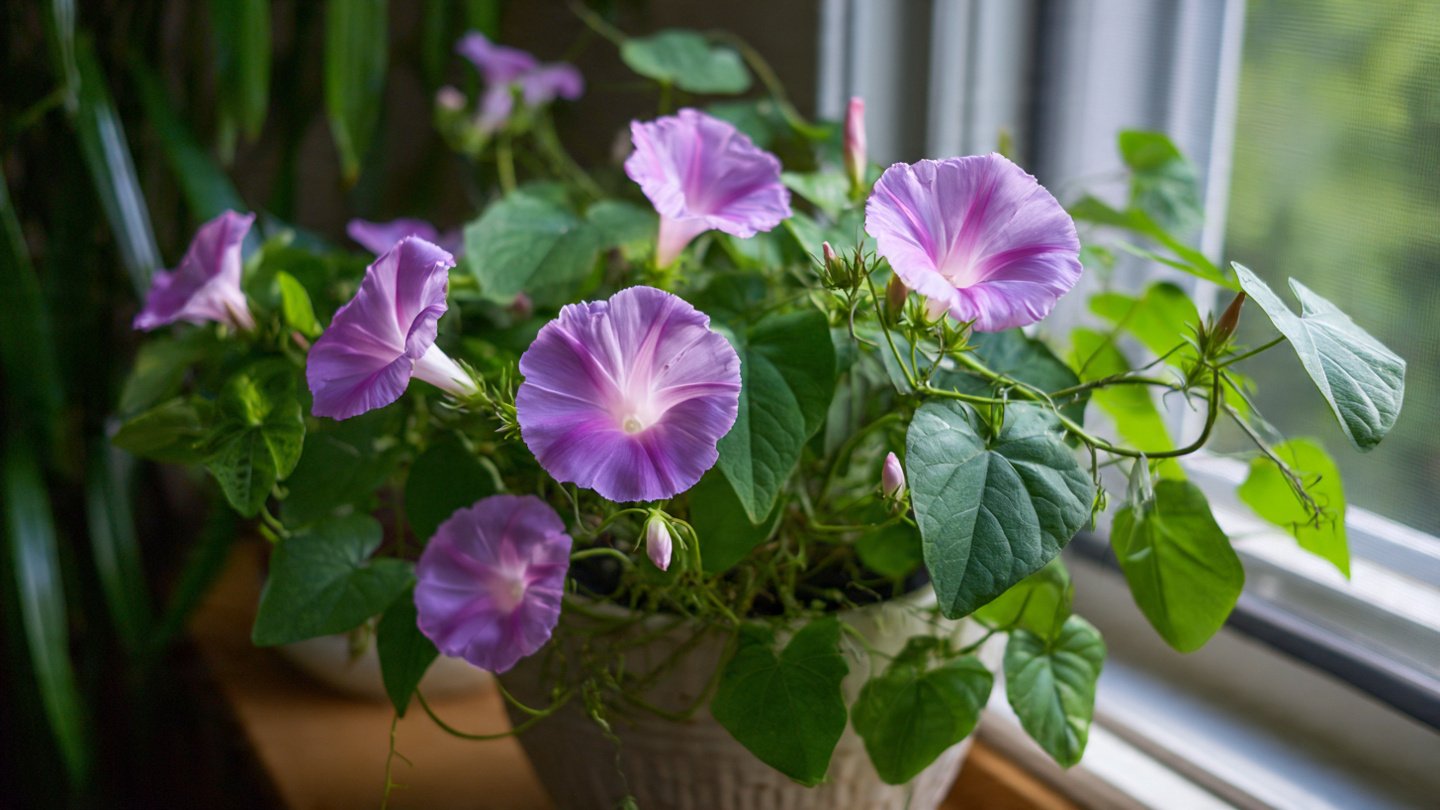
Morning glories (Ipomoea) are beloved for their vibrant flowers and vigorous growth. These climbing plants can add a splash of color to your garden or balcony, making them a popular choice among gardeners. While they are known for being relatively low-maintenance, propagating them from seed can seem daunting for some. However, with the right techniques, you can easily grow morning glories from seed and enjoy their beautiful blossoms within just a few months. In this article, we will explore the steps necessary for successful propagation, from seed preparation to planting and care.
Understanding Morning Glories
Morning glories are annual plants that thrive in full sunlight. They produce large, trumpet-shaped flowers that bloom in a variety of colors, including blue, purple, pink, and white. These flowers are not just visually appealing; they can also attract pollinators, such as bees and butterflies, contributing to a more biodiverse garden. Morning glories can grow rapidly, reaching heights of up to 10 feet under ideal conditions, making them perfect for trellises, fences, or any vertical space in your garden.
Choosing the Right Seeds
There are many different species and varieties of morning glories, so the first step in propagation is to choose the right seeds. Consider the following factors when selecting seeds:
- Color: Morning glories come in various colors. Choose a variety that appeals to you.
- Height: Some varieties grow taller than others, so select seeds based on where you plan to plant them.
- Bloom Time: Depending on your region, you may want a variety that blooms earlier or later in the season.
Pre-soaking Seeds
Before planting morning glory seeds, pre-soaking them is an effective way to aid germination. The seeds have a hard outer shell, making them slow to germinate. Here’s how to do it:
- Fill a small bowl or container with warm water.
- Add the seeds and allow them to soak for 12 to 24 hours. This process helps soften the seed coat, allowing moisture to penetrate and encourages germination.
- After soaking, remove the seeds and let them dry for a few minutes before planting.
Planting Seeds
Once your seeds have been pre-soaked, you can proceed with planting them. Here are the steps to follow:
- Select a Planting Location: Choose a sunny spot in your garden that receives at least six to eight hours of sunlight daily.
- Prepare the Soil: Morning glories prefer well-drained soil. Loosen the soil to a depth of about 12 inches, and incorporate organic matter like compost to enrich it.
- Plant the Seeds: Sow the seeds about 1 inch deep and space them 6 inches apart. If you’re planting multiple rows, ensure there’s at least 12 to 24 inches between the rows.
- Water Gently: After planting, water the soil gently but thoroughly to ensure good seed-to-soil contact.
Creating Ideal Growing Conditions
Creating the right environment is crucial for successful germination and growth. Consider these tips:
- Watering: Keep the soil consistently moist but not soggy. Watering once or twice a week is usually sufficient unless the weather is particularly hot.
- Fertilizing: Once the seedlings are about 6 inches tall, you can apply a balanced, water-soluble fertilizer every 4-6 weeks to encourage vigorous growth.
- Providing Support: Morning glories are climbers by nature; therefore, provide trellises, fences, or supports for them to climb as they grow.
Transplanting Seedlings
If you started your seeds indoors, it’s time to transplant them once they have reached about 4-6 inches in height and the risk of frost has passed. Follow these steps for successful transplanting:
- Harden Off: Gradually acclimate your seedlings to outdoor conditions by placing them outside for a few hours each day for a week before transplanting.
- Dig Holes: Prepare holes in your garden bed. The holes should be slightly larger than the root ball of your seedlings.
- Transplant: Carefully remove the seedlings from their containers and place them in the holes. Ensure that the top of the root ball is level with the soil surface.
- Water: Water the seedlings thoroughly after transplanting to help them settle into their new home.
Caring for Your Morning Glories
Once your morning glories are established, they are relatively low-maintenance but still require attention:
- Regular Watering: Continue to water them regularly, especially during dry spells.
- Pest Monitoring: Keep an eye out for pests like aphids and spider mites. If necessary, treat infestations promptly with insecticidal soap or neem oil.
- Deadheading: To encourage more blooms, pinch off spent flowers regularly.
Conclusion
Propagating morning glories from seed can be a rewarding experience, offering a burst of color to your garden and fulfilling the joy of growing plants from scratch. By following the steps outlined above—from selecting the right seeds and soaking them, to planting, caring for the seedlings, and eventually enjoying their blooms—you’ll find that this creative endeavor can be both simple and fulfilling. Remember that each gardener’s experience may vary slightly due to environmental factors, so be patient and adjust care practices as needed. Before long, you’ll have beautiful morning glories gracefully climbing your garden structures, bringing life and vibrancy to your outdoor space.
FAQs
1. How long does it take for morning glory seeds to germinate?
Typically, morning glory seeds take about 7 to 14 days to germinate, depending on temperature and moisture conditions.
2. Can I grow morning glories in containers?
Yes, morning glories can be grown in containers as long as they have adequate space for their roots to grow and a support structure for climbing.
3. What should I do if my morning glories aren’t blooming?
If your morning glories aren’t blooming, check that they are receiving enough sunlight and nutrients. Also, avoid over-fertilizing, as that can lead to excessive foliage growth at the expense of blooms.
4. Are morning glories invasive?
In some regions, morning glories can be considered invasive due to their vigorous growth. Check local regulations before planting.
5. Can I save seeds from my morning glories for next year?
Yes, you can save seeds from your morning glories. Allow the seed pods to dry on the plant, then harvest and store them in a cool, dry place for the following planting season.