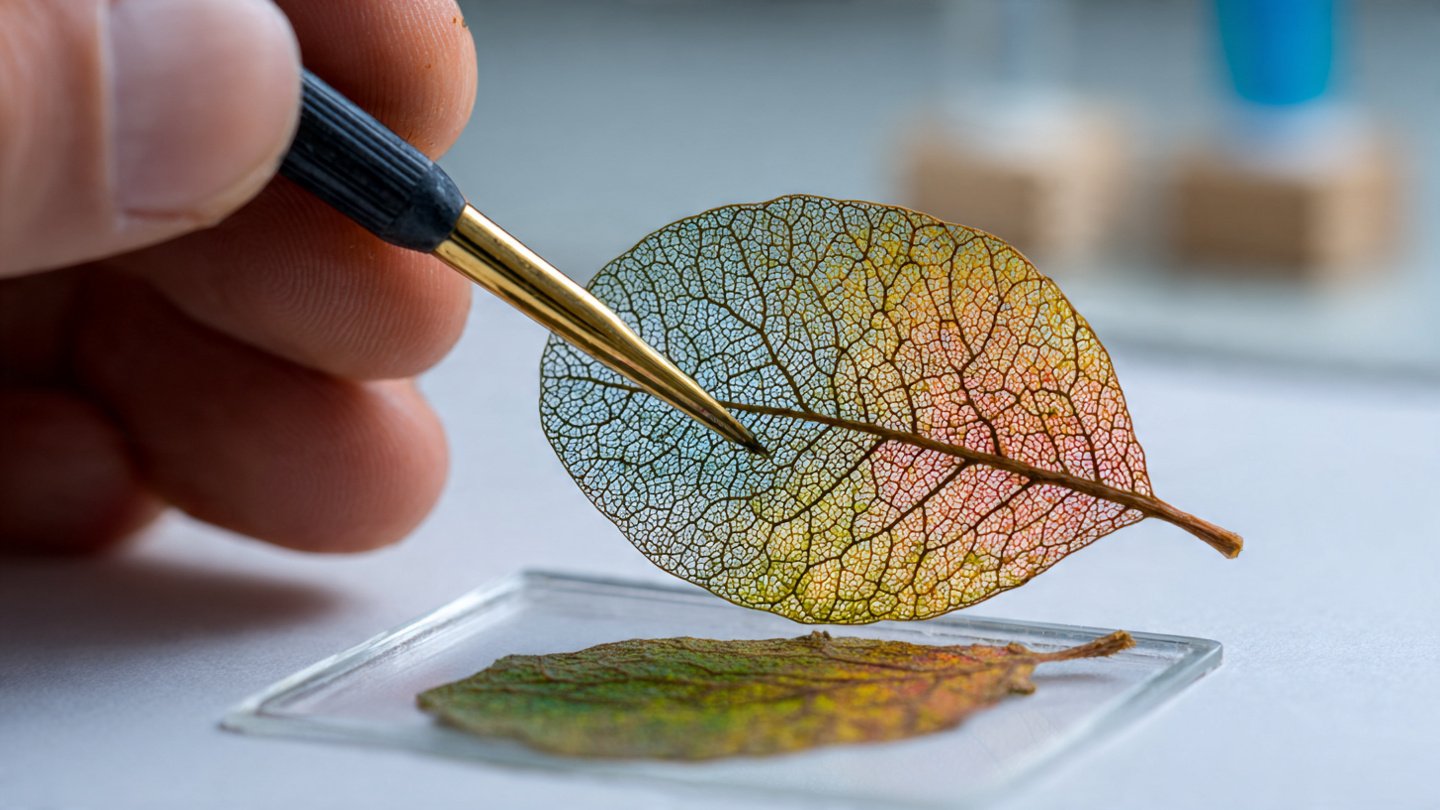
Plants, like all living organisms, require a variety of nutrients to thrive. When they lack these essential elements, they exhibit visible symptoms that can be crucial for diagnosis. One of the most effective methods for discovering nutrient deficiencies is through leaf examination. By observing specific signs on leaves, gardeners and farmers can identify which nutrients are needed, enhancing plant health and yields.
Key Nutrients for Plant Growth
Plants require various macro and micronutrients for optimal growth. The primary macro-nutrients include:
- Nitrogen (N): Essential for leaf development and overall growth.
- Phosphorus (P): Important for root development and energy transfer.
- Potassium (K): Vital for flower and fruit development, and overall plant health.
Additionally, micronutrients such as iron, magnesium, and calcium play crucial roles in metabolic functions and structural support. A deficiency in any of these nutrients can lead to unique visual symptoms on the leaves.
Identifying Nutrient Deficiencies through Leaf Symptoms
Nutrient deficiencies manifest in different ways depending on the nutrient involved. Here are some common visual cues associated with specific deficiencies:
Nitrogen Deficiency
Nitrogen deficiency is one of the most common issues in plants and can be identified by:
- Chlorosis: Yellowing of older leaves, starting from the tips and moving inward.
- Stunted growth: Overall reduced size and vigor of the plant.
Phosphorus Deficiency
Phosphorus-deficient plants may show the following symptoms:
- Dull green to purple leaves: Often observed in older leaves.
- Delayed maturity: Plants may take longer to flower or set fruit.
Potassium Deficiency
Signs of potassium deficiency include:
- Leaf margins burning: The edges of the leaves turn brown, starting from the tips.
- Weak stems: Stems may collapse under the weight of the plant.
Micronutrient Deficiencies
Various micronutrient deficiencies can also be identified through leaf symptoms:
- Iron Deficiency: Yellowing between leaf veins (interveinal chlorosis) typically occurs in younger leaves.
- Magnesium Deficiency: Yellowing of older leaves with a characteristic downward curling.
- Calcium Deficiency: Young leaves appear deformed and may have necrotic spots.
Environmental and Genetic Factors
While leaf symptoms are crucial for diagnosing nutrient deficiencies, it’s essential to consider other factors that can influence plant health:
Soil pH
The pH of the soil affects nutrient availability. For instance, a highly acidic or alkaline soil can render essential nutrients inaccessible to plants, leading to deficiencies despite sufficient nutrient levels in the soil.
Water Availability
Both overwatering and underwatering can stress plants, mimicking nutrient deficiency symptoms. It’s crucial to maintain appropriate moisture levels to prevent misdiagnosis.
Pest and Disease Pressure
Pests and diseases can damage leaves, causing symptoms similar to nutrient deficiencies. A thorough examination of the entire plant is necessary for accurate assessment.
Steps for Effective Leaf Examination
Diagnosing nutrient deficiencies through leaf examination involves a systematic approach:
- Selection of Leaf Samples: Collect leaves from various parts of the plant—especially younger leaves for certain nutrients and older leaves for others.
- Observation: Examine the leaves under natural light for any discoloration, spots, or abnormalities.
- Documentation: Take notes and photographs to compare symptoms across different plants or time periods.
- Soil Testing: Conduct soil tests to assess nutrient levels and pH, correlating them with leaf symptoms.
Managing Nutrient Deficiencies
Once deficiencies are identified, management strategies can be implemented:
Fertilization
Applying the appropriate fertilizers can replenish the missing nutrients. Both organic and synthetic options are available, depending on the grower’s preference.
Soil Amendments
Incorporating soil amendments such as compost or lime can improve nutrient availability and soil structure.
Regular Monitoring
Continuous observation of leaf health and periodic soil testing will help maintain an optimal nutrient balance in the growing medium.
Conclusion
Leaf examination is a powerful tool for identifying nutrient deficiencies in plants. By being observant and understanding the symptoms associated with different nutrient lacks, growers can take proactive measures to enhance plant health. This practice not only boosts yields but also helps in maintaining sustainable agricultural practices. A thorough approach that includes understanding environmental, genetic, and soil factors will lead to more effective management strategies, ensuring that plants receive the nutrients they need to thrive.
FAQs
1. How can I know if my soil has enough nutrients?
The best way to determine soil nutrient levels is through soil testing. Many agricultural extension services and commercial labs offer soil testing services.
2. Can nutrient deficiencies be corrected immediately?
While nutrient deficiencies can be amended through fertilization, it may take time for plants to show improvement. Always follow recommended dosage guidelines for fertilizers.
3. Are there specific plants more susceptible to nutrient deficiencies?
Yes, different plant species have varying nutrient requirements. Researching the specific needs of the plants you are growing can help prevent deficiencies.
4. What is the role of micronutrients in plant health?
Micronutrients play essential roles in metabolic functions and are crucial for plant growth and development, even in tiny amounts.
5. How often should I check for nutrient deficiencies?
Regular monitoring, especially during critical growth phases, is recommended. Seasonal assessments are also beneficial to catch deficiencies early.