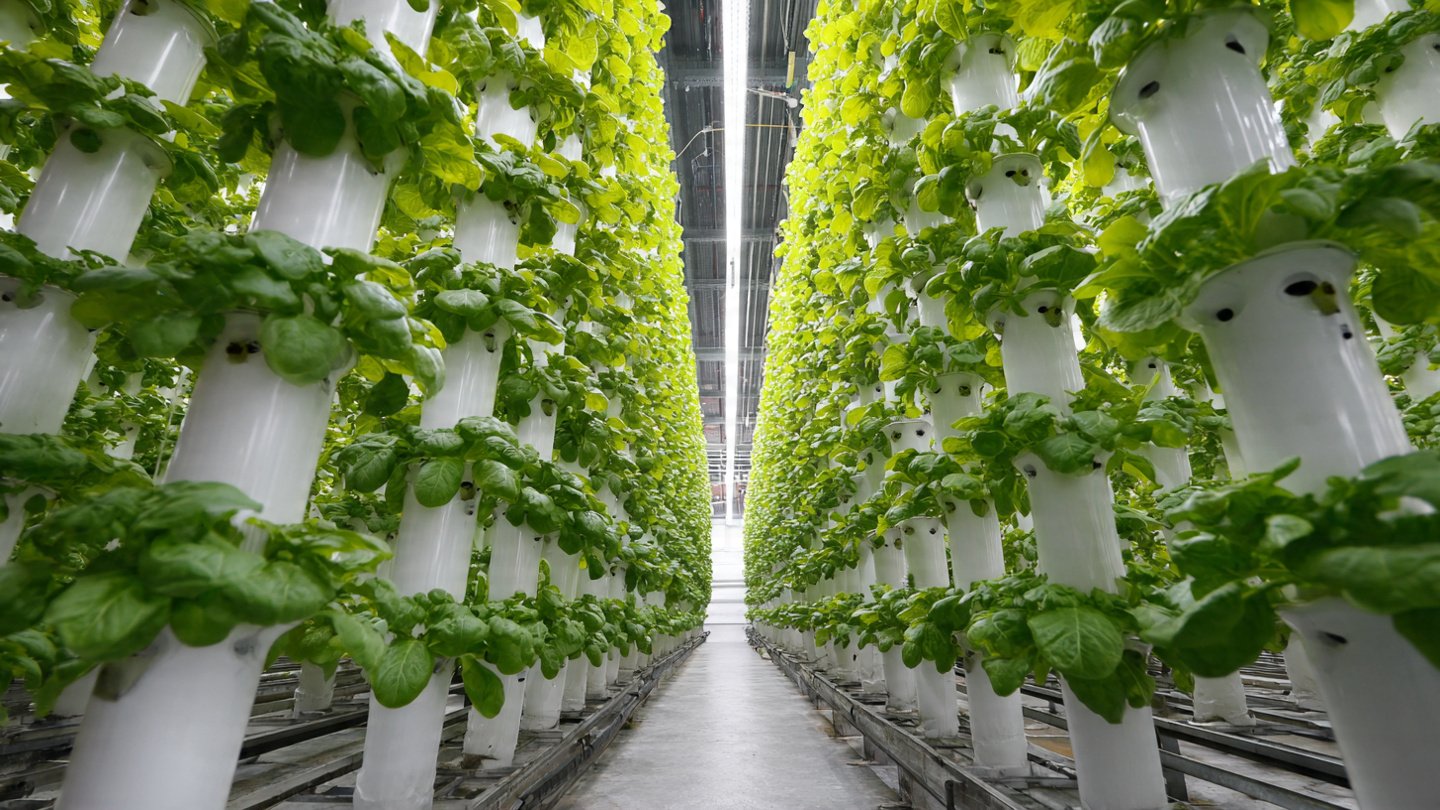
Growing spinach can be an incredibly rewarding venture, both for the home gardener and commercial growers alike. Spinach is a nutrient-packed leafy green that is versatile in the kitchen and highly sought after for its health benefits. With the rise of urban gardening and sustainable practices, cultivating spinach in a vertical tube system has gained popularity. This article outlines how you can successfully grow spinach in a vertical tube system, ensuring a continuously thriving supply of this fantastic vegetable.
Understanding Vertical Gardening
Before delving into the specifics of growing spinach in a vertical tube system, it’s crucial to understand what vertical gardening entails. Vertical gardening involves growing plants up rather than out, using vertical space to increase plant density and create a stunning aesthetic. This method is especially beneficial in urban areas where space is limited.
Benefits of Vertical Gardening
-
Space Efficiency: Vertical systems make it possible to grow more plants in a smaller area, maximizing your yield.
-
Improved Air Circulation: Vertical setups facilitate better airflow around plants, which can lead to healthier growth and reduced disease incidence.
-
Easier Maintenance: With plants at a comfortable height, tasks such as watering, harvesting, and pest control become easier.
-
Extended Growing Season: Vertical systems can be utilized in indoor or controlled environments, extending the growing season beyond traditional outdoor limits.
-
Aesthetic Appeal: Vertical gardens are visually striking and can enhance the look of any environment, whether it’s a kitchen, balcony, or community garden.
Getting Started: Choosing a Vertical Tube System
Types of Vertical Tube Systems
-
PVC Pipe Systems: These are among the most common and can be easily constructed with PVC pipes and connectors. Holes are drilled into the sides for planting.
-
Commercial Vertical Systems: Many companies offer pre-made vertical tube systems designed specifically for growing crops like spinach, often with built-in irrigation and lighting.
-
Stacking Containers: Some systems use stackable planters, allowing you to create a vertical garden without complicated structures.
Factors to Consider
-
Material Quality: Ensure that the materials used (like PVC) are food-safe and suitable for growing edible plants.
-
Watering System:Consider incorporating a drip irrigation system to maintain moisture levels without overwatering.
-
Sunlight Exposure: Choose a location where the vertical garden will receive ample sunlight, ideally 6 to 8 hours of direct light daily.
-
Space for Growth: Ensure your system allows for adequate root development to prevent plants from becoming root-bound.
Setting Up Your Vertical Tube System
Step 1: Material Gathering
You’ll need the following materials to create a basic PVC tube system for growing spinach:
- PVC Pipes: Choose pipes that are at least 4 inches in diameter.
- End Caps: To seal the bottom of the pipes.
- Drill: For making planting holes.
- Net Pots or Planting Medium: For holding and nurturing spinach seeds.
- Drip Irrigation Components: If you intend to automate your watering.
Step 2: Drilling Holes
-
Mark the Pipe: Decide how many plants you want to grow and mark the spacing accordingly, typically about 6 to 8 inches apart.
-
Drilling: Use a drill with a hole saw attachment to create holes in the sides of the pipe. The holes should be just large enough for the net pots or planting medium to fit snugly.
Step 3: Sealing and Positioning
-
Cap the Bottom: Attach end caps to the bottom of each pipe to prevent soil and water from escaping.
-
Position the System: Place your vertical tube system in a location with optimal sunlight and consider an angle that maximizes drainage.
Step 4: Adding Soil and Plants
-
Fill with Growing Medium: Use a high-quality potting mix that retains moisture yet drains well. You can also consider a soilless medium if preferred.
-
Planting Seeds: Pop your spinach seeds into the net pots or directly into the growing medium at a depth of about half an inch. If using net pots, you can populate them with soil and place them into the holes.
Caring for Your Spinach
Watering
-
Irrigation System: If you’ve set up a drip irrigation system, ensure that it’s timed properly to keep the soil consistently moist but not soggy.
-
Monitor Moisture: For manual watering, check the moisture level regularly, especially in hot weather, as vertical systems can dry out quickly.
Fertilization
-
Nutrient-Rich Fertilizer: Use a balanced, water-soluble fertilizer every 2-3 weeks. Spinach benefits from nitrogen, phosphorus, and potassium.
-
Organic Options: Consider using compost or organic fertilizers to maintain soil health and support plant growth.
Pest Management
-
Physical Barriers: Use netting or row covers to protect your spinach from pests like aphids and caterpillars.
-
Natural Remedies: Employ insecticidal soap or diatomaceous earth as natural methods to manage pest populations.
-
Regular Inspections: Check your plants regularly for signs of pests or diseases and address issues promptly.
When to Harvest
Spinach can be harvested as early as 4 to 6 weeks after planting, depending on the variety. Here’s when to pick:
-
Baby Greens: If you prefer tender, baby leaves, harvest when they are around 2 to 4 inches tall.
-
Mature Spinach: Wait until the leaves are fully developed, typically around 6 to 8 inches tall.
Harvesting Techniques
-
Cut-and-Come-Again: This method allows you to cut the outer leaves while leaving the inner leaves to continue growing, promoting a longer harvest period.
-
Full Harvest: If you want to clear the plants, pull them up by the roots, ensuring not to disturb nearby plants.
Continuous Cultivation
The beauty of a vertical tube system is its ability to produce crops continuously. Here’s how you can maintain a steady supply of spinach:
-
Succession Planting: Stagger sowing dates by planting new seeds every couple of weeks to ensure a steady supply of fresh spinach throughout the growing season.
-
Crop Rotation: Rotate your crops to ensure soil health and prevent pest and disease buildup. After harvesting spinach, consider planting another leafy green or crop that complements your growing environment.
-
Seasonal Adjustments: Depending on your climate, you may need to adjust your planting dates. In cooler months, consider using a greenhouse or row covers to extend the growing season.
Conclusion
Cultivating spinach in a vertical tube system is not only feasible but can significantly enhance your gardening experience, providing a bountiful harvest in limited space. With careful planning, the right materials, and ongoing maintenance, you can enjoy fresh, homegrown spinach year-round. As you plant, care for, and harvest your spinach, not only will you benefit from its numerous health advantages, but you’ll also embrace the joys of gardening and sustainable living. Whether you are a seasoned gardener or a novice, a vertical tube system is an excellent way to engage with nature and enjoy the fruits (or leaves) of your labor. Happy gardening!