Introduction
Pest management has become an essential practice for both home gardeners and professional growers.
The persistent threat of pests can lead to significant damage to plants and crops, resulting in financial losses and reduced yields.
Many traditional pest control methods involve the use of synthetic chemicals which, while effective, can pose risks to human health, beneficial insects, and the environment.
This is where neem oil comes into play as a revolutionary alternative. Extracted from the seeds of the neem tree (Azadirachta indica), neem oil is a natural pesticide with a wide array of benefits that can dramatically transform your pest prevention strategy.
What is Neem Oil?
Neem oil is a vegetable oil pressed from the seeds of the neem tree, which is native to the Indian subcontinent.
In addition to its uses in farming, neem oil has a long history in traditional medicine and skincare.
Its primary active ingredient, azadirachtin, is known for its ability to disrupt the lifecycle of pests, reducing reproduction and growth rates.
This makes neem oil a unique and effective tool for pest management.
Benefits of Neem Oil in Pest Control
Neem oil boasts a variety of benefits that make it an ideal choice for pest control:
- Natural and Biodegradable: Unlike many synthetic pesticides, neem oil is derived from a natural source and is biodegradable, making it safer for the environment.
- Broad Spectrum of Action: Neem oil is effective against a wide range of pests including aphids, spider mites, whiteflies, and more.
- Disrupts Pest Lifecycle: Azadirachtin in neem oil interferes with pests’ hormones, preventing them from maturing and reproducing.
- Safe for Humans and Pets: When used as directed, neem oil poses minimal risks to humans, pets, and beneficial insects like bees.
- Fungicidal Properties: Neem oil can also help manage certain fungal infections, complementing its abilities in pest control.
How to Use Neem Oil
Applying neem oil is straightforward, but there are key steps to ensure its effectiveness:
- Dilution: Neem oil is highly concentrated and should be diluted with water. A common dilution ratio is 1–2 tablespoons of neem oil per gallon of water.
- Emulsification: To mix neem oil effectively with water, add a few drops of mild liquid soap. This acts as an emulsifier and helps the oil mix well.
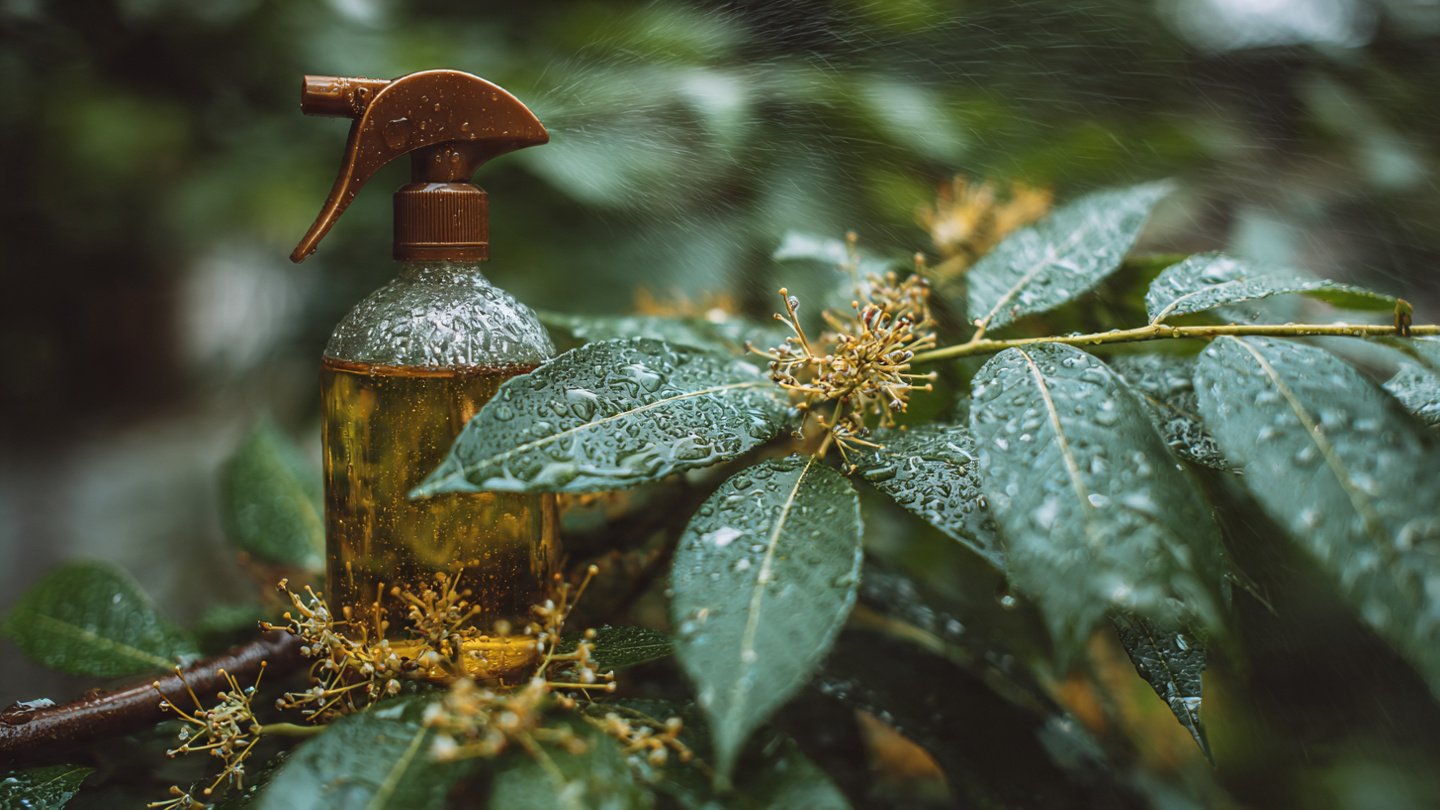
- Spraying: Use a spray bottle or garden sprayer to apply the mixture evenly to affected plants, focusing on the undersides of leaves where pests tend to hide.
- Timing: Apply neem oil in the early morning or late afternoon to avoid direct sunlight, which can cause the oil to break down quickly.
- Frequency: For best results, reapply every 7-14 days, particularly after rain, which can wash off the treatment.
Integrating Neem Oil into Your Pest Prevention Strategy
Neem oil can be a game-changer when integrated into your overall pest prevention strategy.
Here are some tips on how to effectively incorporate neem oil into your existing pest management plan:
- Start Early: Begin applying neem oil before pests become a problem. Early intervention can prevent infestations.
- Monitor Your Plants: Regularly check for signs of pests or damage. Quick identification allows for faster treatment.
- Combine With Other Methods: While neem oil is effective, consider using it as part of an integrated pest management (IPM) strategy, combining physical, cultural, and biological controls.
- Educate Yourself: Understanding the lifecycle of pests helps you time your applications more effectively.
Case Studies: Neem Oil in Action
Several studies and anecdotal accounts highlight neem oil’s efficacy.
One notable case involved a commercial vegetable farm struggling with aphid infestations.
After integrating neem oil into their pest management strategy, the farm reported a significant reduction in aphid populations within weeks.
Another study showed that neem oil effectively managed powdery mildew in zucchini plants, resulting in healthier yields.
Conclusion
Neem oil is a versatile and effective pest control solution that can transform your pest management strategy.
Whether you are a passionate home gardener or a commercial grower, incorporating neem oil into your pest prevention plan offers a natural, eco-friendly alternative to chemical pesticides.
By understanding its application and benefits, you can improve plant health, enhance yields, and contribute to a more sustainable gardening practice.
As the trend towards organic gardening and sustainable farming continues to grow, neem oil stands out as a valuable tool for maintaining healthy ecosystems while managing pest populations.
FAQs
1. Is neem oil safe for edible plants?
Yes, neem oil is generally considered safe for edible plants. It breaks down quickly, leaving no harmful residues when used according to instructions.
2. How long does neem oil last once applied?
Neem oil typically remains effective for 7 to 14 days after application, depending on environmental conditions. Rain and sunlight can diminish its effectiveness more quickly.
3. Can I mix neem oil with other pesticides?
It’s best to avoid mixing neem oil with other pesticides, as this can alter its effectiveness. Always test a small area before mixing.
4. How often should I apply neem oil?
Reapply neem oil every 7-14 days, especially after rainfall or heavy watering, to maintain its effectiveness.
5. Are there any pests that neem oil does not affect?
Neem oil is effective against many common pests, but some highly resilient species may not be significantly impacted. Regular monitoring and adjustment of your strategy may be needed.