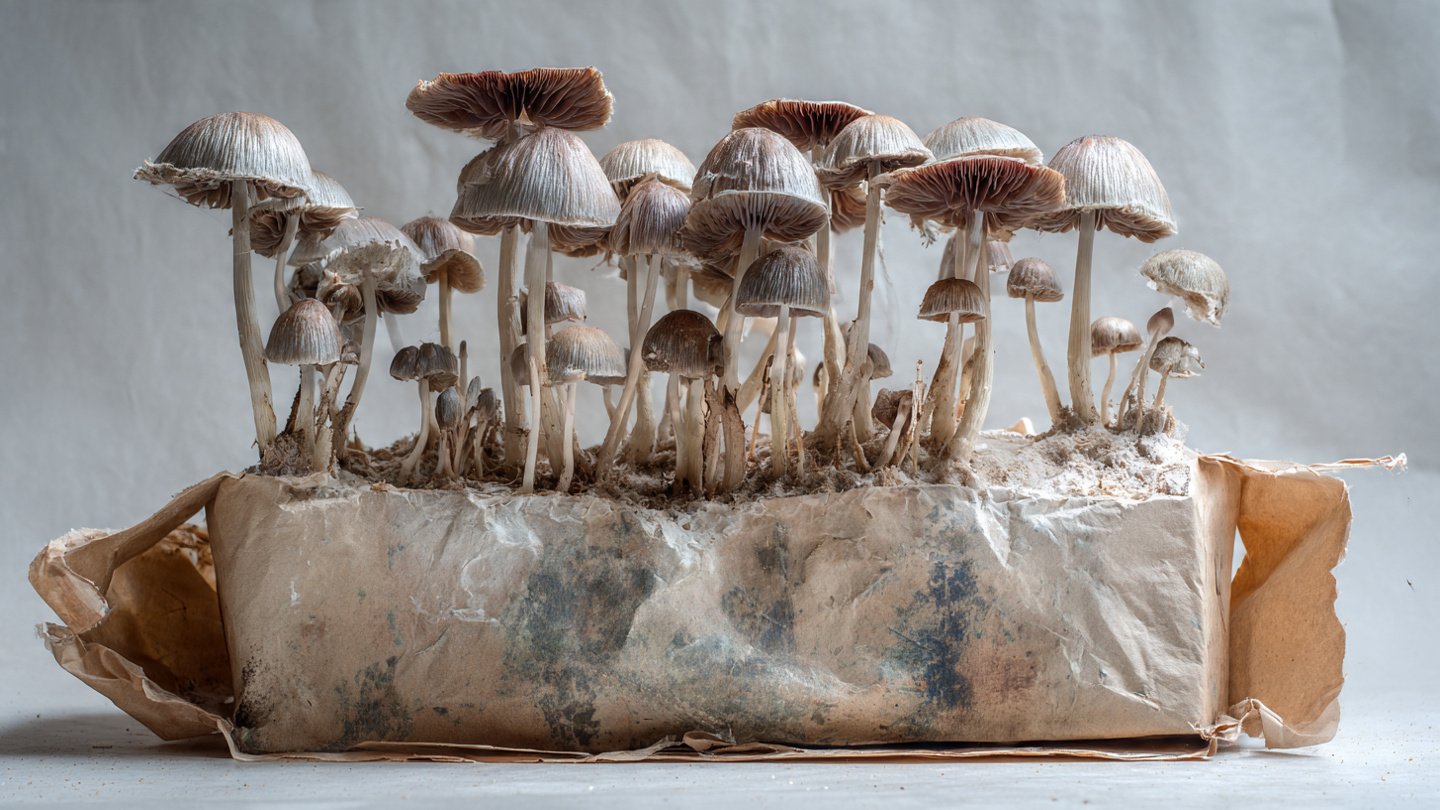
The idea of growing your own mushrooms can seem intriguing, especially for those who are eco-conscious or adventurous in their culinary pursuits. Among various unconventional methods, using a bag of wet cardboard has garnered attention. But can this method successfully produce viable mushrooms? In this article, we explore the science, practicality, and steps involved in growing mushrooms using this intriguing method.
Understanding the Basics of Mushroom Cultivation
Mushrooms are fungi that require specific conditions to grow, including moisture, temperature, and nutrition. The primary factor in successful mushroom cultivation is the use of a suitable substrate—material that provides nutrients to the growing mushrooms. While traditional substrates include materials like straw, wood chips, and sawdust, many gardeners are experimenting with more innovative sources, such as cardboard.
Why Use Cardboard?
Cardboard is made from cellulose, which mushrooms can decompose and utilize as a nutrient source. Using cardboard as a substrate is appealing for several reasons:
- Cost-effective: Cardboard is often free, making it accessible for home growers.
- Recycling: It provides an eco-friendly way to recycle waste materials.
- Easy to work with: Cardboard is lightweight and easy to shape.
Types of Mushrooms Suitable for Cardboard Cultivation
While many types of mushrooms can be cultivated, some species thrive particularly well on cardboard substrates. These include:
- Oyster Mushrooms (Pleurotus ostreatus): Fast-growing and forgiving, they are ideal for beginners.
- Shiitake Mushrooms (Lentinula edodes): Though they typically grow on wood, they can also thrive on cardboard.
Steps to Grow Your Own Mushrooms in a Bag of Wet Cardboard
Materials Needed
To grow mushrooms in a bag of wet cardboard, you’ll need the following materials:
- Cardboard (preferably brown, without any glossy finish)
- Mushroom spawn (the fungal culture needed for growth)
- Water
- Plastic bag or container
- Chunk of sterilized soil (optional, but helps with nutrition)
Step-by-Step Instructions
- Prepare the Cardboard: Cut the cardboard into small pieces or strips. Remove any tape or labels, as they can hinder the growth process.
- Soak the Cardboard: Submerge the cardboard in water for about 12-24 hours. The goal is to ensure it is thoroughly wet but not disintegrating.
- Drain Excess Water: After soaking, let the cardboard drain for a couple of minutes. It should be damp but not dripping wet.
- Mix in the Mushroom Spawn: In a clean environment, combine the soaked cardboard with the mushroom spawn. If you’re using sterilized soil, mix it in at this stage.
- Pack into a Bag: Place the mixture into a plastic bag or container, ensuring it is loosely packed to allow for airflow.
- Incubate: Store the bag in a warm, dark location (around 20-24°C or 68-75°F) to promote mycelium growth. Check periodically to ensure it remains moist.
- Expose to Light: After a couple of weeks, once the cardboard is fully colonized, move the bag to a location with indirect sunlight to encourage fruiting.
- Harvest Your Mushrooms: Once the mushrooms start appearing, they will grow rapidly. You can harvest them by twisting gently at the base of the stem.
- Enjoy! Cook and enjoy your homegrown mushrooms in various dishes.
Challenges and Considerations
While growing mushrooms in a bag of wet cardboard is an exciting process, it is not without challenges. Here are some potential issues to be aware of:
- Contamination: Fungi are susceptible to contamination from bacteria or molds. Keep your environment as clean as possible.
- Moisture Management: Too much or too little moisture can hinder growth. Monitor your substrate carefully.
- Temperature Fluctuations: Consistent temperatures are essential for optimal growth. Avoid extreme temperature changes.
Environmental Benefits
Using cardboard for mushroom cultivation not only offers a sustainable approach to growing food but also contributes positively to the environment. It utilizes a waste product, reduces landfill, and can offer a carbon-neutral option for home gardening. Prospective growers can feel good about their contribution to sustainability while enjoying the benefits of homegrown produce.
Conclusion
Growing mushrooms in a bag of wet cardboard is a feasible and innovative method that appeals to environmental enthusiasts and foodies alike. While successful cultivation requires attention to detail and care, the process is rewarding and provides delicious, homegrown mushrooms. By recycling cardboard waste, you can produce nutritious food while contributing to a more sustainable lifestyle. So whether you’re looking to experiment in the kitchen or simply want to try your hand at gardening, cultivating mushrooms in cardboard is an exciting project!
FAQs
1. Can I use colored or glossy cardboard?
No, it is best to avoid colored or glossy cardboard as the inks and coatings can be harmful to mushroom growth.
2. How long does it take for mushrooms to grow?
The growth period varies based on the species, but generally, you can expect mushrooms to appear within 3 to 6 weeks after setting up the substrate.
3. What types of mushrooms can I grow using this method?
Oyster and shiitake mushrooms are two popular species that can thrive on cardboard substrates.
4. Is it difficult to maintain the right conditions?
While it requires some monitoring, maintaining the right moisture and temperature conditions can be straightforward with attention to detail.
5. Can I reuse the cardboard after the mushrooms are harvested?
Once mushrooms have fruited, the cardboard will be spent but can be composted, contributing to further ecological benefits.