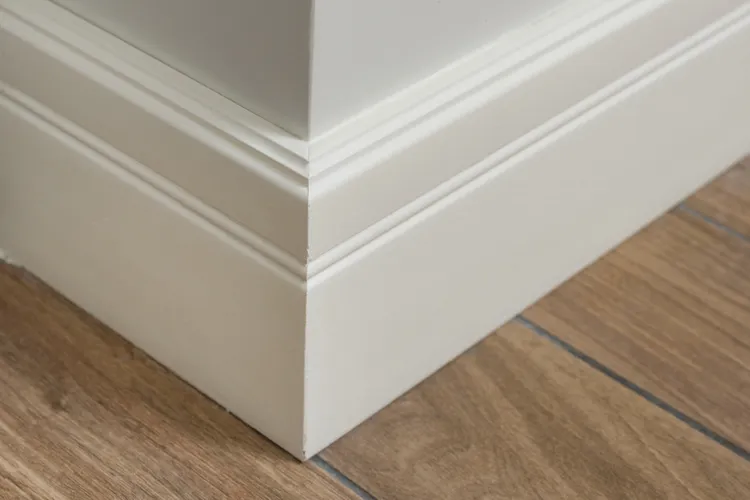
If you’re tired of constantly dusting your baseboards, you’re not alone. Baseboards are notorious for collecting dust, pet hair, and debris, and they often get overlooked during routine cleaning. While traditional dusters and cloths work, they require frequent re-cleaning and can leave behind streaks or lint. Surprisingly, there’s a simple, inexpensive solution using a common laundry staple: dryer sheets.
In this guide, we’ll show you why dryer sheets work so well, how to use them effectively, and some additional tips to keep your baseboards dust-free for longer.
Why Dryer Sheets Work for Dusting
Dryer sheets are designed to reduce static cling in laundry, which happens because the softening agents and chemicals coat fabric fibers to prevent electricity from building up. That same static-reducing property makes them ideal for dusting because:
- They attract dust – The slightly electrostatic surface pulls dust, pet hair, and lint toward it.
- They repel dust for longer – After wiping, the baseboard retains a thin anti-static coating, reducing the speed at which dust accumulates.
- They are gentle – Dryer sheets are soft and non-abrasive, so they won’t scratch painted or wooden baseboards.
In short, a dryer sheet can act like a disposable, dust-attracting cloth while leaving behind a protective layer that slows future dust buildup.
Step-by-Step Guide to Dusting Baseboards with Dryer Sheets
Step 1: Gather Your Supplies
- New or lightly used dryer sheets
- Optional: A small hand broom or vacuum for initial heavy dust
Step 2: Prepare the Area
- Move furniture slightly away from the walls if possible.
- If the baseboards are heavily coated in dust, vacuum or sweep first to avoid pushing dirt around.
Step 3: Wipe the Baseboards
- Take a dryer sheet and fold it in half for better grip.
- Run the sheet along the top edge and surface of the baseboard.
- Press gently to pick up dust, dirt, and pet hair.
- Flip or switch to a new sheet when one side becomes too dirty.
Step 4: Focus on Corners and Crevices
- For tight corners, use the edge of the dryer sheet or wrap it around a butter knife or small spatula to reach into grooves.
- Make sure to cover every section of the baseboard to maintain uniform dust repellency.
Step 5: Dispose or Reuse
- If the sheet is heavily soiled, discard it.
- Lightly used sheets can often be reused for multiple baseboards or other surfaces.
Tips to Maximize Effectiveness
- Dryer Sheets vs. Microfiber: While microfiber cloths trap dust, they don’t repel it. Dryer sheets reduce static cling, meaning dust is less likely to settle quickly after cleaning. For best results, you can use both: dust with a microfiber cloth first, then apply a dryer sheet to leave a protective coating.
- Regular Maintenance: Wipe baseboards with a dryer sheet every 1–2 weeks. The static-repelling effect diminishes over time, so frequent touch-ups are key.
- Safe for Electronics and Other Surfaces: Dryer sheets can also be used on vents, blinds, or the tops of electronics where dust tends to accumulate. Avoid using them on surfaces that need a chemical-free finish, like cutting boards or areas where food is prepared.
- Pet Hair Helper: Dryer sheets are excellent for picking up pet hair clinging to baseboards, furniture edges, or upholstery.
- Moistening the Sheet (Optional): If dust is sticky or hard to remove, lightly dampen the sheet with water or a mild vinegar solution before wiping. Do not soak it, as this can reduce the static effect.
Extra Hacks for Cleaner Baseboards
- Vacuum First: Use a handheld vacuum with a brush attachment to remove large dust piles before using the dryer sheet.
- Furniture-Free Zone: Dust baseboards while the room is empty to reach corners easily.
- Preventive Measures: Close windows during windy days, and consider air purifiers to reduce overall dust accumulation.
- Use a Long Handle: For hard-to-reach areas, attach a dryer sheet to a mop or duster with clips or tape.
Why This Method Works Better Than Traditional Dusting
Compared to a standard feather duster or cloth, using a dryer sheet has distinct advantages:
- Static Attraction: Pulls in dust instead of just moving it around.
- Dust Repellency: Leaves a protective coating that slows future accumulation.
- Convenience: Cheap, disposable, and readily available in most households.
- Versatility: Can be used on baseboards, blinds, vents, and furniture edges.
For busy households or pet owners, this method significantly reduces the frequency of deep cleaning sessions while keeping baseboards looking tidy.
Conclusion
Dusting baseboards doesn’t have to be a tedious chore. With the help of dryer sheets, you can efficiently remove dust, hair, and debris while leaving a static-repellent coating that keeps them cleaner for longer. This simple, inexpensive hack is especially useful for homes with pets, high-traffic areas, or anyone who wants to maintain a polished look without constant effort.
Key Takeaways:
- Dryer sheets attract dust and hair due to their anti-static properties.
- Wipe baseboards gently and consistently for the best results.
- Combine with vacuuming and preventive measures for maximum cleanliness.
- Reuse lightly soiled sheets to save money and resources.
Next time you see a layer of dust creeping along your baseboards, reach for a dryer sheet instead of a rag—your baseboards (and your sanity) will thank you!