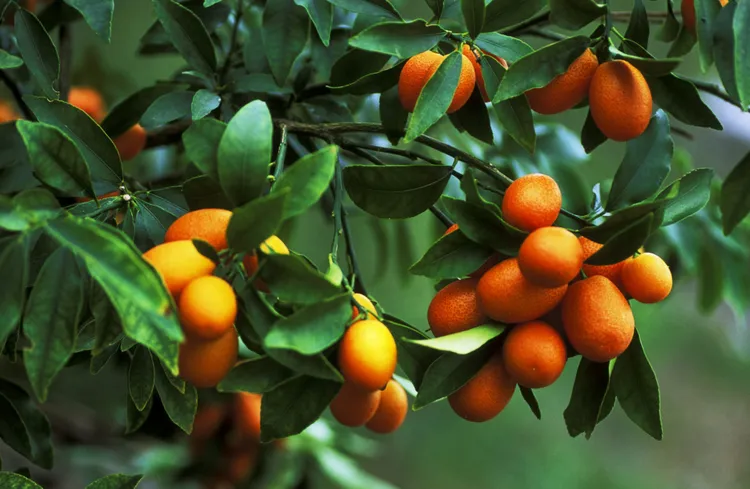
Urban living doesn’t have to mean sacrificing fresh fruit from your garden. Even if you live in a small apartment, townhouse, or have limited backyard space, container gardening allows you to grow fruit trees that are both productive and decorative. Choosing the right fruit tree for a container involves considering growth habits, size, climate, and care requirements. To help you get started, here are seven fruit trees that thrive in containers and can bring color, fragrance, and fresh produce to even the smallest outdoor spaces.
1. Lemon Trees (Citrus limon)
Lemon trees are a top choice for container gardening due to their compact size and vibrant appeal. They produce fragrant blossoms and bright yellow fruit that adds both beauty and utility to your garden.
Why They’re Perfect for Containers:
- Naturally smaller growth when pruned.
- Tolerant of container life if given enough sunlight (at least 6–8 hours per day).
- Can produce fruit year-round in warm climates or when grown indoors in cooler areas.
Care Tips:
- Use a well-draining potting mix, preferably one formulated for citrus.
- Water consistently, keeping the soil moist but not soggy.
- Fertilize with a citrus-specific fertilizer to support fruiting and foliage health.
- Bring indoors or provide frost protection in cooler climates.
Variety Recommendation: Meyer Lemon, known for its sweeter taste and smaller size, is ideal for containers.
2. Dwarf Fig Trees (Ficus carica)
Fig trees are versatile and relatively low-maintenance, making them excellent candidates for container life. Dwarf varieties remain manageable in size while producing sweet, succulent fruits.
Why They’re Perfect for Containers:
- Slow to moderate growth in containers, reducing the need for frequent pruning.
- Beautiful, large green leaves that add a tropical feel to patios and balconies.
- Produce multiple harvests in warm climates.
Care Tips:
- Choose a container at least 18 inches wide and deep for root growth.
- Water regularly, especially during hot weather, but ensure the soil is well-drained to prevent root rot.
- Fig trees benefit from a sunny location and may need protection from harsh winds.
Variety Recommendation: Brown Turkey or Black Genoa figs thrive in pots and adapt well to different climates.
3. Dwarf Peach Trees (Prunus persica)
Peach trees are often associated with orchards, but dwarf varieties can flourish in containers, producing fragrant blossoms and juicy fruits.
Why They’re Perfect for Containers:
- Compact rootstocks keep the tree small and manageable.
- Early spring blossoms add ornamental value.
- Full sun requirements are compatible with many patios and balconies.
Care Tips:
- Ensure your container has excellent drainage and fill it with rich, loamy soil.
- Prune annually to maintain shape and encourage fruit production.
- Fertilize in early spring and mid-summer with a balanced fertilizer.
Variety Recommendation: Dwarf Elberta Peach or Bonanza Peach are hardy, productive, and suitable for pots.
4. Dwarf Apple Trees (Malus domestica)
Apple trees are iconic and surprisingly adaptable to container life, particularly dwarf and semi-dwarf varieties. These trees can produce full-sized fruit in surprisingly small spaces.
Why They’re Perfect for Containers:
- Can be grown in large pots on patios, decks, or balconies.
- Offer beautiful spring blossoms and autumn fruit.
- Self-pollinating varieties make growing easier in limited spaces.
Care Tips:
- Use a deep container (at least 45–60 cm) with well-draining soil.
- Provide 6–8 hours of sunlight daily.
- Fertilize annually with a fruit tree-specific fertilizer.
- Dwarf apple trees may require staking for stability when fruiting heavily.
Variety Recommendation: Columnar or Patio Apple trees are excellent for small spaces and produce an abundance of fruit in compact form.
5. Dwarf Cherry Trees (Prunus avium / Prunus cerasus)
Cherries are another fruit tree that lends itself beautifully to container gardening. Dwarf cherry varieties are manageable, ornamental, and delightfully productive.
Why They’re Perfect for Containers:
- Compact size allows them to thrive in large pots.
- Spring blossoms provide visual appeal, attracting pollinators.
- Self-pollinating varieties are convenient for small-space growers.
Care Tips:
- Ensure full sun exposure for at least 6 hours per day.
- Use fertile, well-draining soil and a container large enough for root expansion.
- Water regularly, especially during fruiting.
- Prune lightly after harvest to maintain shape.
Variety Recommendation: Stella and Sunburst dwarf cherries are reliable for container growth.
6. Dwarf Pomegranate Trees (Punica granatum)
Pomegranates are hardy, drought-tolerant, and ideal for smaller gardens when grown in containers. They’re not only productive but also provide colorful flowers that brighten any space.
Why They’re Perfect for Containers:
- Naturally compact and can be pruned to maintain size.
- Tolerant of heat and less frequent watering than some other fruit trees.
- Vibrant flowers add ornamental appeal even when not fruiting.
Care Tips:
- Choose a pot at least 40–50 cm wide with excellent drainage.
- Water deeply but infrequently, allowing the soil to partially dry between watering.
- Fertilize lightly in early spring with a balanced fertilizer.
- Protect from frost in colder climates or move indoors during winter.
Variety Recommendation: Dwarf Wonderful Pomegranate produces abundant fruit and works well in pots.
7. Dwarf Citrus Varieties (Other Than Lemon)
Beyond lemons, other citrus trees like limes, oranges, and mandarins can flourish in containers. These trees are perfect for adding greenery and fragrance to patios, balconies, and small courtyards.
Why They’re Perfect for Containers:
- Compact and easily pruned to maintain size.
- Fragrant blossoms provide sensory delight.
- Fruit can be harvested year-round in favorable climates.
Care Tips:
- Use well-draining potting soil and a container large enough to accommodate the root system.
- Ensure full sun for at least 6 hours daily.
- Fertilize regularly with a citrus-specific fertilizer for optimal fruiting.
- Protect from frost during colder months or grow in a sheltered position.
Variety Recommendation: Key Lime, Calamondin Orange, and Dwarf Meyer Lemon are compact, manageable, and productive.
Tips for Growing Fruit Trees in Containers
Even the most container-friendly trees need care to thrive. Here are some universal tips for small-space fruit tree gardening:
- Choose the Right Container: Ensure the pot is large enough for the root system, has good drainage, and is sturdy enough to support growth.
- Use High-Quality Soil: A well-draining, nutrient-rich potting mix encourages healthy roots and strong fruit production.
- Sunlight: Most fruit trees require 6–8 hours of direct sunlight. Position containers accordingly.
- Watering: Container trees often dry out faster than in-ground trees. Regular watering is essential, especially in hot weather.
- Fertilization: Feed trees with a fertilizer suited to fruiting plants or citrus, following package instructions.
- Pruning: Regular pruning maintains size, encourages air circulation, and promotes fruit production.
- Winter Care: Some tropical and subtropical trees may need frost protection or to be moved indoors during colder months.
Conclusion
Container gardening opens up a world of possibilities for small-space dwellers who want fresh, homegrown fruit. With careful selection, fruit trees can thrive in pots, adding beauty, fragrance, and productivity to patios, balconies, or small yards.
From fragrant lemon trees to decorative dwarf cherries and hardy pomegranates, the seven fruit trees listed here are well-suited for container growth. With the right container, soil, sunlight, and care, these trees can provide a bountiful harvest and a touch of greenery—even in the smallest spaces.
Whether you’re seeking sweet treats, aromatic blossoms, or simply the joy of growing your own food, container-friendly fruit trees offer a rewarding gardening experience that blends practicality with natural beauty. By selecting the right varieties and giving them proper attention, you can enjoy fresh fruit from your own garden no matter how limited your space may be.