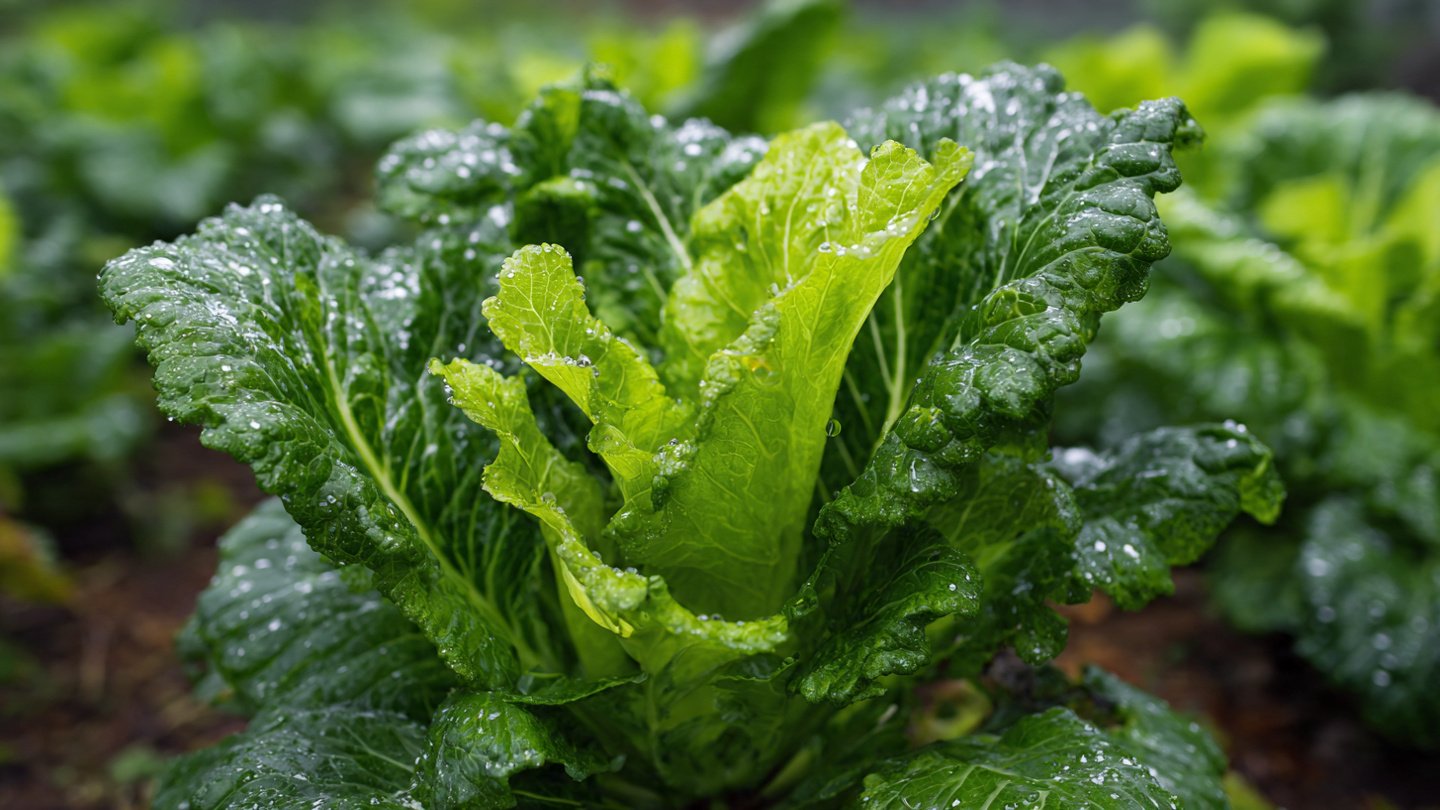
Growing your own vegetables is a fulfilling endeavor, encompassing the joys of gardening, the thrill of nurturing life, and the satisfaction of enjoying fresh produce. However, the choice of nutrients you use can significantly impact your garden’s productivity and health. One standout choice among organic gardening enthusiasts is kelp fertilizer. This article delves into why you should consider using kelp fertilizer for growing incredible vegetables, focusing on its benefits, nutritional content, and practical applications.
Understanding Kelp Fertilizer
Kelp fertilizer is derived from various species of kelp, a type of seaweed found in underwater forests along coastal regions. Harvested sustainably, it’s processed into several forms, including liquid extracts, granules, and powders. Kelp is rich in essential nutrients and growth hormones, making it an economical and effective option for enhancing plant health and boosting yields.
Nutritional Benefits of Kelp Fertilizer
The rich nutrient profile of kelp fertilizer is one of its most compelling arguments. Kelp contains a variety of macro and micronutrients essential for plant growth:
1. Macronutrients
-
Nitrogen (N): Crucial for vegetative growth, nitrogen stimulates the development of leaves and stems.
-
Phosphorus (P): Important for root development and flower production, phosphorus helps in energy transfer within the plant.
-
Potassium (K): This nutrient is vital for overall plant health, helping to regulate water uptake and enzyme activity.
Kelp may not have as high concentrations of these macronutrients as synthetic fertilizers, but its effect on soil health and plant growth is profound due to its slow-release nature.
2. Micronutrients
Kelp is also rich in trace minerals like iron, magnesium, and calcium. These micronutrients are critical in smaller amounts, often making the difference between healthy plants and those that struggle. For example:
-
Iron supports chlorophyll production, ensuring plants can properly photosynthesize.
-
Calcium contributes to cell wall structure, leading to stronger plants.
3. Growth Hormones and Plant Biostimulants
Kelp contains natural growth hormones, including cytokinins, auxins, and gibberellins. These hormones promote cell division, root development, and overall plant vigor, enhancing their growth and resilience against stressors like drought or disease.
4. Alginates and Organic Matter
Kelp’s high content of alginates enhances soil structure and moisture retention, making it particularly beneficial in sandy or compacted soils. Additionally, the organic matter in kelp improves soil fertility and encourages beneficial microbial activity.
Enhancing Soil Health
In addition to providing essential nutrients, kelp fertilizer significantly enhances soil health. Here’s how:
1. Soil Structure Improvement
Kelp helps improve soil structure by fostering the formation of aggregates. This leads to better aeration and drainage, crucial for healthy root systems.
2. Microbial Activity
The organic compounds in kelp are a food source for beneficial soil microorganisms. A rich microbial ecosystem enhances nutrient availability, promotes plant growth, and speeds up organic matter decomposition.
3. pH Balance
Kelp can help balance soil pH, making essential nutrients more available to plants. This is particularly beneficial in soils that are either too acidic or too alkaline.
Boosting Plant Resilience
Using kelp fertilizer can enhance the resilience of your vegetables against various stressors. Here are some benefits related to plant health:
1. Drought Resistance
Kelp enhances a plant’s ability to withstand drought by improving moisture retention in the soil and promoting stronger root systems.
2. Disease Resistance
The natural growth hormones and nutrients in kelp help plants build stronger immune systems, reducing the likelihood of disease. Healthier plants are less susceptible to pests and pathogens.
3. Stress Recovery
When plants experience stress from environmental factors, such as extreme temperatures or nutrient deficiencies, kelp fertilizer helps them recover more quickly due to its natural biostimulants.
Sustainability and Eco-Friendliness
In an era increasingly focused on sustainability, kelp fertilizer shines as an eco-friendly option:
1. Sustainable Harvesting
Kelp is harvested in a way that allows it to regenerate quickly. It’s a renewable resource, making it a far more sustainable alternative to synthetic fertilizers derived from finite resources.
2. No Harmful Chemicals
Unlike synthetic fertilizers that may contain harmful chemicals, kelp fertilizer is completely natural, posing no threat to the environment or human health.
3. Carbon Sequestration
Kelp forests play a crucial role in carbon sequestration. By using kelp fertilizer, you’re indirectly supporting an industry that helps mitigate climate change.
Practical Applications
To get the most out of kelp fertilizer, here are some practical tips on how to use it effectively in your vegetable garden:
1. Soil Amendment
Incorporate granulated or powdered kelp into the soil before planting to improve soil health and nutrient availability.
2. Foliar Spray
Liquid kelp extracts can be used as a foliar spray, allowing plants to absorb nutrients directly through their leaves. This is particularly effective for fast-growing crops.
3. Composting Booster
Add kelp to your compost pile to improve the nutrient profile of your compost and promote healthy microbial activity.
4. Starting Seedlings
Using kelp fertilizer in seed-starting mixes can enhance germination rates and lead to stronger seedlings.
5. During Vegetative Growth
Apply kelp fertilizer at key growth stages for various vegetables to enhance growth and resilience.
While Kelp Isn’t All You Need
Though kelp fertilizer is an excellent supplement, it’s essential to remember that it shouldn’t be the sole source of nutrients. It works best as part of a balanced fertilization strategy:
1. Complement with Other Organic Materials
Consider pairing kelp with other organic fertilizers like compost, manure, or bone meal for a well-rounded nutrient profile.
2. Testing Soil Health
Regularly test your soil to understand its nutrient levels and pH. This helps you determine the appropriate use of kelp fertilizer alongside other amendments.
3. Observe Plant Needs
Pay attention to your plants for signs of nutrient deficiencies or imbalances. Adjust your fertilization strategy accordingly, using kelp as a deeper support rather than the majority source.
Success Stories and Testimonials
Gardening enthusiasts around the world have sung the praises of kelp fertilizer. Here are some real-life success stories:
1. Increased Yield
Many gardeners report that using kelp fertilizer has led to higher yields in both quantity and quality of vegetables. This can be particularly beneficial for those who sell their produce.
2. Flavor Improvement
Studies have indicated that fruits and vegetables nourished with kelp fertilizer often have enhanced flavors, attributed to the balanced nutrients and natural growth hormones in the seaweed.
3. Sustainable Gardening Practices
From urban gardens to farms, many successful growers have integrated kelp fertilizer into their sustainable practices, promoting a healthier ecosystem and yielding bountiful harvests.
Conclusion
Incorporating kelp fertilizer into your vegetable-growing regimen can lead to incredible benefits, from enhanced nutrient availability to improved soil health and plant resilience. As the evidence mounts, so does the consensus among gardeners that this natural resource offers a sustainable and effective way to nurture our fruits and vegetables.
By understanding the benefits, practicality, and sustainable nature of kelp fertilizer, you’ll be better equipped to make an informed decision that can transform your gardening journey. So, why not consider kelp fertilizer in your next planting season? Your vegetables—and the planet—will thank you!