Introduction
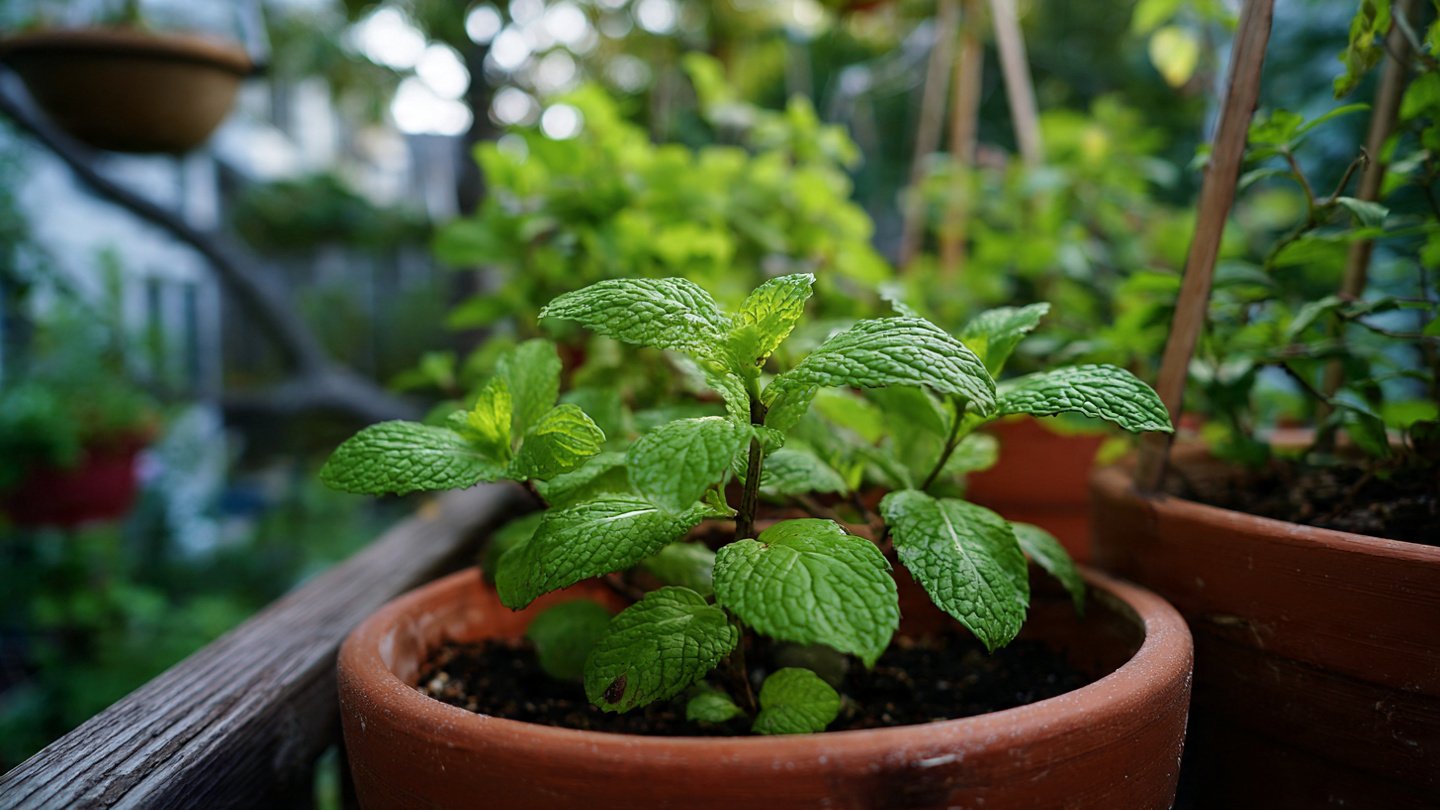
Mint is one of the most popular herbs cultivated worldwide due to its refreshing flavor and numerous culinary and medicinal uses. While mint can be grown in the ground, many gardeners find that growing mint in pots offers a range of benefits. This article will delve into why cultivating mint in containers can be advantageous compared to traditional ground planting.
1. Containment of Growth
Mint is notorious for its vigorous growth. This herb can quickly become invasive, spreading through subterranean runners and overtaking gardens. By planting mint in pots, gardeners can control its growth, ensuring it remains contained and does not choke out other plants. Pot cultivation also simplifies the management of mint and allows for easier harvesting.
2. Mobility and Versatility
One of the significant advantages of growing mint in pots is the ability to place them in various locations. Gardeners can move their mint plants to best suit sunlight conditions, protect them during inclement weather, or even bring them indoors during colder months. This versatility allows for better care and optimal growth.
3. Soil Control
Potting soil is often more suitable for growing mint than garden soil, which may not provide the right nutrients or drainage. By using a mixture designed for potted plants, gardeners can create the perfect growing environment for mint. Additionally, potting mixes can be formulated to retain moisture while preventing root rot, an essential factor in ensuring mint thrives.
4. Reduced Competition
When mint is grown in the ground, it competes with neighboring plants for nutrients and water. This competition can stunt mint’s growth and reduce its flavor profile. By opting for pots, mint can receive the necessary resources without interference from other plants, promoting healthier and more flavor-rich leaves.
5. Pest Management
Gardening in pots allows for easier monitoring and management of pests. Plants in the ground may suffer from a variety of underground pests that can be more challenging to control. In contrast, container-grown mint can be treated or moved as needed to reduce pest infestations. Additionally, pots can be isolated from other plants, minimizing the transfer of pests.
6. Aesthetics and Landscaping
Potted mint comes in various container styles, making it easy to incorporate into any design scheme. Gardeners can use decorative pots, hanging planters, or even vertical gardening systems to showcase their mint plants. This aesthetic appeal can enhance outdoor spaces and inspire creativity in garden design.
7. Year-round Cultivation
Growing mint in pots allows for year-round cultivation. During colder months, pots can be moved indoors or to a sheltered area, protecting the plants from frost. This adaptability means gardeners can enjoy fresh mint even in winter, providing an advantage over traditional garden growing methods.
8. Less Weeding
Weeds are a common problem in ground planting, as they can compete with mint for resources. With potted mint, the likelihood of weeds sprouting is significantly reduced, saving gardeners time and effort in maintenance. Instead of focusing on battling weeds, gardeners can dedicate their time to caring for their mint.
9. Controlled Watering
Potted plants usually require more frequent watering than those in the ground, which can be a downside. However, this need for consistent moisture means gardeners can easily monitor water levels. Additionally, using self-watering pots or mixing water-retaining crystals into the potting mix can make it easier to manage hydration.
Conclusion
Growing mint in pots offers numerous advantages over traditional ground cultivation, including containment of growth, versatility, soil control, reduced competition, and simplified pest management. The aesthetic appeal of potted mint adds a decorative element to landscapes, while the ability to grow mint year-round ensures that this beloved herb can be enjoyed in any season. For both novice and experienced gardeners, choosing to cultivate mint in pots can lead to a more manageable and rewarding gardening experience.
FAQs
1. Can I grow mint from cuttings?
Yes, mint can easily be propagated from cuttings. Simply place a cutting in water until roots form, then transfer it to a pot with soil.
2. How often should I water my potted mint?
Potted mint should be watered regularly to ensure the soil remains moist but not soggy. Typically, watering once or twice a week is sufficient, depending on the climate.
3. Do I need to fertilize my mint?
While mint doesn’t require heavy fertilization, it can benefit from a balanced liquid fertilizer every few weeks during the growing season to encourage robust growth.
4. Is it possible to grow mint indoors?
Absolutely! Mint thrives indoors as long as it receives adequate sunlight. A south-facing window is ideal for its growth.
5. Can I plant different varieties of mint in the same pot?
It is not advisable to plant different varieties of mint in the same pot, as they can compete with each other and affect their growth rates. It’s best to give each variety its own pot.